
UN Upholds Freedom of Movement for Peacekeepers in Lebanon
The United Nations (UN) plays a critical role in maintaining peace and stability in conflict regions throughout the world. One such area is Lebanon, where the UN has deployed peacekeeping forces for decades. Recently, the UN reaffirmed the importance of freedom of movement for peacekeepers operating in Lebanon. This article explores the implications of this decision, delves into Lebanon’s current situation, and discusses why maintaining this freedom is essential for peacekeeping efforts.
Background: The UN Peacekeeping Mission in Lebanon
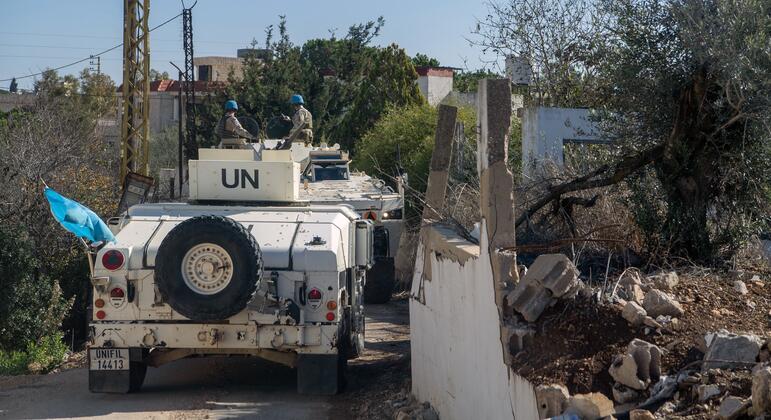
The UN Interim Force in Lebanon (UNIFIL) was established in 1978 in response to escalating hostilities and the complexities of the Lebanese civil war. Its mandate has evolved over the years, particularly after the 2006 Lebanon War, to include ensuring peace along the Lebanon-Israel border and supporting the Lebanese government in maintaining stability. UNIFIL comprises troops from various member states, aimed at facilitating peace and protecting civilians.
The Importance of Freedom of Movement
Operational Efficiency
Freedom of movement is critical for peacekeepers to carry out their mandates effectively. It allows them to monitor ceasefires, conduct patrols, and respond to incidents promptly. The UN’s recent reaffirmation of this principle emphasizes the necessity for peacekeepers to navigate the terrain unhindered, which is crucial for timely intervention in potential escalations.
Building Trust with Local Communities
Peacekeepers serve as a bridge between the affected communities and the UN’s mission objectives. Ensuring their freedom of movement enables them to engage with local populations, thereby fostering trust. This rapport is vital for gathering intelligence, understanding community concerns, and facilitating humanitarian aid efforts.
Deterrence Against Violent Escalations
An active presence of peacekeepers can deter hostile actions from various factions within Lebanon. When peacekeepers can move freely, it sends a clear message that the international community is vigilant and committed to peace, thereby reducing the likelihood of violent outbreaks.
Challenges Faced by Peacekeepers in Lebanon
Political Tensions
Lebanon’s internal politics are complex, influenced by various sectarian divisions and external pressures. Certain political factions may restrict access to particular areas, leading to interruptions in peacekeeping operations. The UN’s commitment to upholding freedom of movement seeks to mitigate these challenges, but they remain persistent.
Security Risks
Peacekeepers often operate in volatile environments, facing risks from armed groups and local conflicts. Ensuring their ability to move freely without undue restrictions is vital for their safety and efficacy. The recent UN endorsement of this principle serves as a crucial reminder of the responsibilities borne by local authorities to ensure the safety of peacekeepers.
Legal and Operational Hurdles
In addition to political and security challenges, peacekeepers may face legal restrictions imposed by local laws. These could hinder their ability to fulfillment of their humanitarian and monitoring duties. The UN’s reaffirmation of their mission’s freedom of movement aims to address these operational hurdles.
The Impact of UN Support on Lebanon’s Stability
Promoting Sovereignty and Security
The UN’s stance on freedom of movement underscores its commitment to Lebanon’s sovereignty. By supporting peacekeepers in their operational freedom, the UN indirectly reinforces the authority of the Lebanese government to maintain order. This helps create a stable environment conducive to political dialogue and national reconciliation.
Facilitating Humanitarian Aid
Peacekeepers not only contribute to security but also play a role in humanitarian assistance. The ability to move freely allows them to aid displaced populations and assist in rebuilding efforts. The symbol of a proactive and mobilized peacekeeping force instills hope in communities affected by conflict.
Enhancing International Cooperation
The UN’s decision reinforces its role not just as a peacekeeping body but also as an international cooperative entity. Countries supporting UNIFIL can take pride in their contributions to global stability, increasing their legitimacy and soft power within international politics.
Future of Peacekeeping in Lebanon
Strengthening Partnerships
The UN will need to strengthen its partnerships with Lebanese authorities to ensure that the principles of freedom of movement are respected and upheld. Enhanced collaboration could mean better training programs for local police and military forces to understand their role in accommodating the peacekeepers’ operations.
Adapting to Changing Threats
As Lebanon continues to evolve amidst internal and external pressures, UNIFIL must adapt its strategies to effectively address new threats. The ability to move freely will be critical in responding to these challenges as they arise.
Continuous Monitoring and Evaluation
To ensure that freedom of movement remains intact for peacekeepers, it is essential for the UN to systematically evaluate its operations and reception on the ground. Regular assessments will help identify areas for improvement and provide actionable intelligence that can be shared with all stakeholders involved.
Conclusion: A Pillar for Peace
Upholding freedom of movement for peacekeepers in Lebanon is more than just an operational necessity; it is a cornerstone for peace. The UN’s endorsement strengthens its mission and contributes significantly to regional stability. As Lebanon faces ongoing political complexities, the international community must remain committed to supporting peacekeeping initiatives that foster trust, enhance security, and build pathways towards sustainable peace.
By ensuring that peacekeepers can navigate freely across Lebanon, the UN is not just maintaining peace but is actively working to seed the grounds for a stable and prosperous future for all Lebanese citizens.
For more details and the full reference, visit the source link below:
Read the complete article here: https://news.un.org/feed/view/en/story/2026/06/1167758