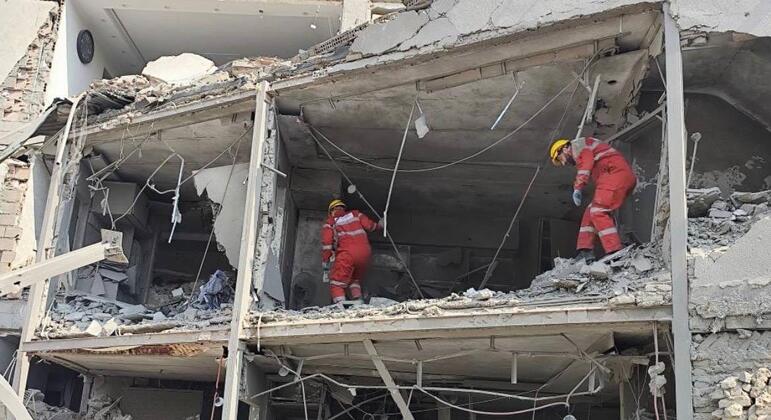

Security Council LIVE: ‘Lost Continuity of Knowledge’ on Iran’s Nuclear Programme Since US-Israel Attacks, Top UN Official Warns
Introduction
In recent discussions at the United Nations Security Council, a top UN official raised alarms about the diminishing oversight and understanding of Iran’s nuclear programme. The official emphasized that the continuity of knowledge regarding Iran’s nuclear activities has been “lost” since the joint US-Israel actions against key components of this programme. This article explores the implications of these developments, the potential for escalating tensions, and a comprehensive look at the current state of Iran’s nuclear ambitions.
Background: Iran’s Nuclear Programme
Iran’s nuclear programme has long been a topic of international focus, with ongoing debates about its aims and scope. While Iran claims that its programme is for peaceful purposes, many nations remain skeptical. Key moments in Iran’s nuclear history include:
- 1980s-2000s: Initial development and ambition amid regional conflicts.
- 2003: International scrutiny increases following revelations of undisclosed facilities.
- 2015: The Joint Comprehensive Plan of Action (JCPOA) is implemented, aimed at curtailing nuclear advancements in exchange for sanctions relief.
- 2018: The US withdraws from the JCPOA, leading to increased sanctions and escalation in Iran’s nuclear activities.
The Impact of US-Israel Actions on Knowledge Continuity
The latest discussions highlight a critical turning point: the US and Israel’s military and cyber operations targeting Iran’s nuclear sites have contributed to a lack of transparency.
Military & Cyber Operations
- Cyber Attacks: Cyber operations have disrupted industrial capabilities, throwing Iran’s nuclear development into disarray. However, these attacks obstruct accurate assessments of Iran’s nuclear proficiency.
- Military Action: Airstrikes aimed at particular sites may have also fragmented vital data, complicating ongoing monitoring efforts.
Loss of Factual Understanding
The UN official emphasized that these actions have caused intelligence agencies to “lose continuity of knowledge.” This unfortunate turn of events presents several hazards, including:
- Increased Secrecy: Iran may develop its nuclear capabilities in clandestine facilities, leading to reduced transparency and accountability.
- Geopolitical Tension: A lack of continuous monitoring escalates the likelihood of dangerous miscalculations between involved nations.
Current State of Iran’s Nuclear Ambitions
Advancements Post-JCPOA
Since the US exit from the JCPOA, Iran has steadily accelerated its nuclear programme. Key developments include:
- Enriched Uranium Production: There has been a substantial increase in the production of enriched uranium, reaching levels not permitted under the JCPOA.
- Advanced Centrifuges: Iran has installed and operated more advanced centrifuges that can significantly speed up the enrichment process.
- Backup Facilities: The creation of more hidden facilities has raised concerns among intelligence agencies regarding the actual status of Iran’s nuclear capability.
Regional Impact
The developments in Iran’s nuclear programme not only affect global politics but also create instability in the Middle East:
- Arms Race: Neighboring countries may feel compelled to develop their own nuclear capabilities in response to Iran’s advancements, leading to an arms race.
- Proxy Conflicts: The ongoing tensions and fears surrounding Iran’s nuclear ambitions exacerbates existing regional disputes, increasing the risk of proxy wars.
International Reactions and Responses
Diplomacy and Sanctions
The diminishing knowledge regarding Iran’s nuclear programme has prompted varied international responses:
- Diplomatic Efforts: Countries engaged in diplomacy are scrambling for effective ways to address the decay in oversight. Whether through reinstating the JCPOA or negotiating a new framework remains an open question.
- Sanction Regimes: The US and its allies may consider even stricter sanctions, but these have often proven ineffective in halting Iran’s nuclear advancements.
Calls for Enhanced Oversight
Many UN member states urge for renewed mechanisms to restore oversight of Iran’s nuclear activities:
- Reinvigorate Monitoring: Proposals to enhance the role of the International Atomic Energy Agency (IAEA) in Iran.
- Bilateral and Multilateral Talks: Encouraging multiple nations to engage with Iran for transparent discussions can help re-establish a channel for communication and oversight.
Conclusion: The Path Forward
The warnings from the UN official concerning the “lost continuity of knowledge” present a significant concern for global security. As tensions surrounding Iran’s nuclear programme persist, it is vital to prioritize diplomatic engagement and comprehensive monitoring strategies.
Importance for Global Security
The fallout from the loss of knowledge is not limited to one nation; its implications echo across the international community. Remaining vigilant and proactive in addressing Iran’s nuclear programme can play a pivotal role in safeguarding regional and global stability.
Final Thoughts
The world is at a crossroads regarding Iran’s nuclear programme. Reassessing strategies for engagement, transparency, and oversight is essential in mitigating risks and promoting peace. The fate of Iran’s nuclear ambitions may redefine geopolitical landscapes for years to come. This underscores the urgent need for continuous dialogue, robust monitoring, and a commitment to diplomatic resolutions for lasting peace and security.
By understanding the evolving landscape, stakeholders can better navigate this complex issue and work towards a future where accountability and transparency are at the forefront of global nuclear governance.
For more details and the full reference, visit the source link below:
Read the complete article here: https://news.un.org/feed/view/en/story/2026/07/1167914