
Security Council LIVE: Gaza in the Spotlight as Dire Conditions Continue
Introduction
The ongoing crisis in Gaza has drawn the attention of the international community, with the United Nations Security Council convening a series of live discussions to address the escalating humanitarian situation. As reports indicate that living conditions are deteriorating day by day, it’s crucial to examine the implications for local populations and the potential pathways for resolution. This article delves into the current state of affairs in Gaza, the role of the Security Council, and the broader implications for international peace and security.
The Humanitarian Crisis in Gaza
Current Situation
Gaza has been experiencing a humanitarian crisis that has intensified due to ongoing conflicts, blockades, and limited access to essential services. Basic needs such as clean water, food, and medical supplies are becoming increasingly scarce, leaving the population struggling to survive. According to recent reports, the situation has reached a tipping point, with many families unable to secure even one meal a day.
Key Statistics
- Population Affected: Approximately 2 million people reside in Gaza, with over 80% dependent on humanitarian aid.
- Healthcare: Hospitals are overwhelmed, with shortages of medical supplies and staff. According to health experts, the healthcare system is on the brink of collapse.
- Access to Clean Water: Only 10% of the population has access to potable water, contributing to public health crises.
The Role of the United Nations Security Council
History of Engagement
The United Nations Security Council (UNSC) has a long history of involvement in the Israeli-Palestinian conflict, often emphasizing the importance of peace and security in the region. In recent sessions, the UNSC has acknowledged the urgent need to address the humanitarian crisis in Gaza while navigating the complexities of international diplomacy.
Recent Resolutions and Discussions
In the latest live sessions, member countries have debated potential resolutions aimed at providing immediate humanitarian assistance and increasing pressure on parties to uphold ceasefire agreements. Special envoys and representatives from various countries have voiced their concerns over the worsening conditions, urging for a unified response.
International Responses
Global Reactions
The Palestinian situation in Gaza has elicited a diverse range of responses from various countries. Some nations advocate for immediate intervention and humanitarian aid, while others call for a balanced approach that considers Israel’s security concerns. This division within the international community often complicates the UNSC’s ability to reach consensus on effective measures.
Human Rights Advocacy
Human rights organizations have ramped up their efforts to raise awareness about the dire conditions in Gaza. Reports of violations and the impact on civilian life highlight the need for accountability and international oversight.
Humanitarian Aid Efforts
Current Initiatives
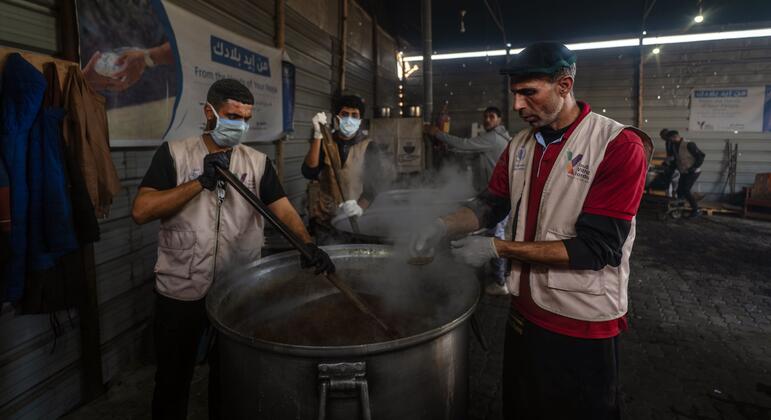
Numerous NGOs and international bodies are working tirelessly to deliver aid to the residents of Gaza. These efforts are essential, but logistics remain complicated due to restrictions imposed by both Israel and Hamas.
Future Prospects
Cooperation among international entities will be crucial in determining the success of humanitarian initiatives in Gaza. The UNSC’s support for sustained aid is critical for alleviating immediate suffering.
Challenges to Peace
Ongoing Conflicts
The long-standing Israeli-Palestinian conflict continues to thwart efforts for peace. Ceasefire violations and retaliatory strikes exacerbate the humanitarian situation, making it increasingly challenging to implement successful diplomatic resolutions.
Regional Tensions
The situation in Gaza has broader implications for regional stability. Neighboring countries are grappling with their own issues related to refugees, security, and economic challenges, which can influence their stance on the Gaza crisis.
The Path Ahead
Prospects for Diplomacy
While the situation remains dire, there are openings for diplomatic engagement. The involvement of influential international players may help foster a more conducive environment for peace discussions. A multilateral approach that addresses both humanitarian needs and security concerns will likely be essential for sustainable solutions.
Call for Action
As the Security Council continues to deliberate, there is an urgent need for coordinated international action. Enhanced diplomatic efforts, coupled with increased humanitarian support, can pave the way for improved conditions in Gaza and a hopeful outlook for peace.
Conclusion
The live discussions at the United Nations Security Council symbolize the international community’s recognition of the urgent humanitarian crisis unfolding in Gaza. The intertwining issues of humanitarian aid, international diplomacy, and lasting peace require a nuanced and committed approach from all stakeholders involved. The world watches closely as the Security Council addresses the plight of millions and strives to chart a path toward a more stable and peaceful future for Gaza and the broader region.
By providing a comprehensive overview of the situation in Gaza, this article serves to highlight the various dimensions of the crisis and the critical role the Security Council plays in addressing it. The information presented is designed to be SEO-optimized, with relevant keywords and structured headings to improve visibility and engagement.
For more details and the full reference, visit the source link below:
Read the complete article here: https://news.un.org/feed/view/en/story/2026/06/1167750