
Gaza: Sneeze and You Might Get Shot – UNICEF’s Alarming Alert on Child Killings
Introduction
The ongoing conflict in Gaza has raised alarm bells around the world, especially concerning the safety of children. Recent alerts from UNICEF reveal chilling statistics that highlight the urgency of the situation. The phrase “sneeze and you might get shot” epitomizes the grim reality facing children in this conflict zone. This article will delve into the current circumstances in Gaza, explore the implications for the region’s children, and discuss the international response necessary to prevent further tragedies.
The Human Cost of Conflict
The Impact on Children
The repercussions of armed conflict are often felt most acutely by the youngest members of society. In Gaza, children are not only vulnerable to the chaos of warfare but also suffer profound psychological and emotional trauma. As UNICEF reports, countless children have been killed or injured as a direct result of violence. The organization estimates that thousands of children have been affected, with many suffering from long-term psychological issues due to their experiences.
Statistics That Shock
According to UNICEF’s latest reports, over 300 children were killed in recent escalations alone. This number continues to rise as hostilities persist, making Gaza one of the most dangerous places on Earth for children. The phrase “sneeze and you might get shot” is not a hyperbole; it encapsulates the pervasive danger that exists in their daily lives.
The Conditions in Gaza: A Humanitarian Crisis
Basic Needs Under Fire
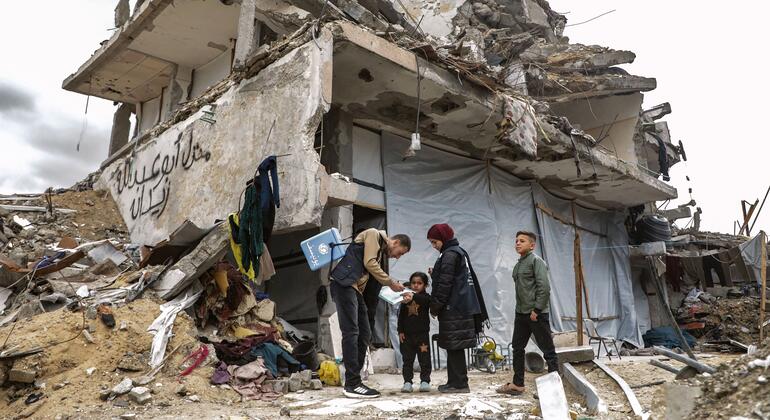
The humanitarian situation in Gaza has reached a critical point. Limited access to clean water, medical care, and educational facilities exacerbates the conditions faced by children. With hospitals overwhelmed and under-resourced, the injuries sustained by children are often left untreated. This lack of basic necessities is compounded by the ongoing conflict, which sees infrastructure destroyed, making the air and ground unsafe for civilians.
Education Interrupted
Education is a right that should be afforded to all children, yet in Gaza, schools are often closed or damaged due to violence. Children unable to access education face a grim future, where opportunities for development and personal growth are severely limited. The psychological effects of disrupted education can last a lifetime, resulting in cycles of poverty and instability.
UNICEF’s Call to Action
Advocacy for Children’s Rights
UNICEF has been at the forefront of advocating for the protection of children in conflict zones, urging all parties involved to respect children’s rights. They call for a cessation of hostilities, ensuring that children are out of harm’s way during times of conflict. Their message is clear: children should not bear the brunt of conflicts that largely stem from political and ideological grievances.
Support for Mental Health
Understanding the psychological toll on children affected by war is vital. UNICEF emphasizes the need for mental health support to help children cope with their experiences. Mental health programs can provide vital resources to help children process their trauma, empowering them to lead more fulfilling lives despite their circumstances.
International Response: What Can Be Done?
Humanitarian Aid
One of the most immediate responses to the crisis in Gaza is the provision of humanitarian aid. Supplies such as food, clean water, and medical assistance are desperately needed. International organizations must coordinate to ensure that aid reaches the children who need it most, as bureaucratic hurdles often impede this life-saving support.
Diplomatic Efforts
Long-term solutions require sustained diplomatic efforts to address the root causes of the conflict. Leaders around the world must prioritize dialogue and negotiation, seeking to establish a lasting peace that protects the rights and lives of children in Gaza. Countries have a moral obligation to intervene diplomatically, advocating for ceasefires and humanitarian pauses to allow aid to flow into the region.
The Role of Social Media and Public Awareness
Raising Awareness
In today’s digital age, social media serves as a powerful tool for raising awareness about humanitarian crises. Sharing statistics, stories, and images can galvanize public opinion and spark demands for action. Campaigns that highlight the plight of children in Gaza can mobilize support and resources, pressuring governments and organizations to take meaningful action.
Engaging with Influencers
Engaging with influencers who are passionate about humanitarian issues can further amplify these messages. Their platforms can reach broad audiences, shining a spotlight on the suffering of children in conflict zones. This collective awareness is crucial in driving international action and support for affected populations.
Conclusion
The situation in Gaza is critical, particularly for its children, who face dangers beyond their comprehension. The chilling warning from UNICEF— “sneeze and you might get shot”— encapsulates the dire safety concerns that resonate in the region. As the world grapples with the consequences of violence and conflict, it is imperative that we prioritize the protection of children. Humanitarian aid, mental health support, and diplomatic efforts must converge to forge a path towards peace. Only then can we hope to restore the aspirations and dreams of children in Gaza.
Call to Action
We must act now. Whether it’s advocating for humanitarian aid, sharing stories, or demanding accountability from leaders, every action counts. Let’s join together, stand for the children, and ensure that such tragedies never become the norm.
For more details and the full reference, visit the source link below:
Read the complete article here: https://news.un.org/feed/view/en/story/2026/06/1167760