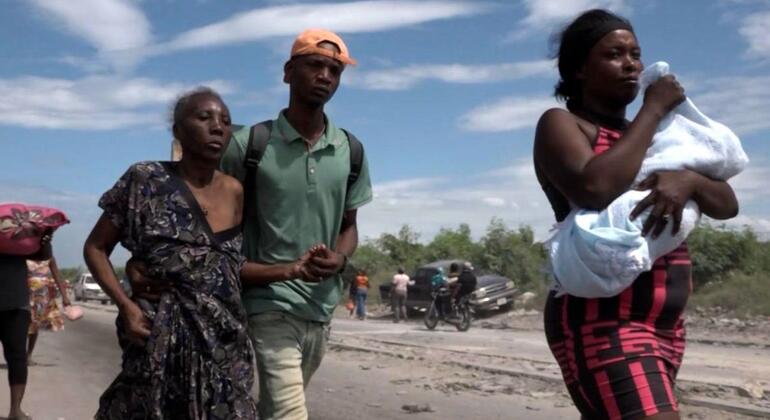

Haiti: Harrowing Needs Must Be Met with Long-Term Engagement
Haiti, the first independent Black republic in the world and a symbol of resilience, continues to face a multitude of challenges that range from natural disasters to political instability. Despite its rich culture and history, the dire needs of its population call for immediate attention and long-term engagement strategies. This article delves into the harrowing needs of Haiti and highlights the importance of sustained efforts to foster recovery and development.
Understanding Haiti’s Challenges
Natural Disasters: A Recurrent Crisis
Haiti is often referred to as one of the most disaster-prone countries in the Caribbean. With its geographical location, the nation is susceptible to hurricanes, earthquakes, and floods. The most devastating of these was the earthquake in January 2010, which resulted in the deaths of over 200,000 people and displaced more than 1.5 million others.
The aftermath of such disasters leaves the infrastructure in shambles, creating a need for immediate humanitarian assistance. Updated building codes and infrastructure improvements are essential for sustainable recovery.
Political Instability: A Barrier to Progress
Political instability has plagued Haiti for decades. Corruption, lack of governance, and civil unrest have compounded the nation’s challenges, hampering efforts to rebuild after disasters and to provide essential services to its citizens. The recent assassination of President Jovenel Moïse in July 2021 exacerbated the political vacuum, leading to increased violence and gang control.
To foster long-term recovery, it is crucial that international partners engage with the Haitian people and their legitimate leaders, working towards a stable political environment.
The Harrowing Needs of the Haitian People
Emergency Humanitarian Assistance
The immediate needs of the Haitian population stem from the effects of natural disasters and ongoing violence. Many Haitians lack access to food, clean water, and healthcare. The United Nations and various NGOs provide emergency relief, but these efforts must transition into longer-term strategies that build community resilience.
Access to Education
Access to quality education remains a significant challenge in Haiti. Schools have been destroyed in previous disasters, and ongoing violence often disrupts learning. Investing in educational programs, teacher training, and infrastructure development is vital for a brighter future. Education empowers children and creates a more knowledgeable workforce that can contribute to national development.
Long-Term Engagement Strategies
Building Resilient Infrastructure
Investing in resilient infrastructure is critical for Haiti’s recovery. This includes building roads, hospitals, and schools that can withstand natural disasters. Collaborations between local and international entities can enable the development of sustainable infrastructure projects, leading to job creation and improved community health.
Strengthening Governance and Institutions
Developing strong institutions that operate transparently and effectively is paramount for Haiti’s long-term stability. International partnerships must focus on strengthening local governance structures through capacity building and promoting civic engagement. The active involvement of Haitian citizens in governance processes can enhance accountability and promote stability.
Economic Development and Job Creation
Economic development is crucial for Haiti’s recovery. The country has immense potential in sectors such as agriculture, tourism, and manufacturing. By fostering local entrepreneurship and providing vocational training, Haiti can create job opportunities that empower its citizens. Investing in microfinance initiatives can also help women and youth start their own businesses, promoting economic inclusion.
Health Sector Improvements
Health issues remain a pressing concern in Haiti, exacerbated by the lack of infrastructure and ongoing crises. Strengthening the health system through training healthcare workers, building hospitals, and ensuring the availability of essential medicines is vital. Long-term engagement in healthcare not only improves individual well-being but also strengthens overall community resilience.
The Role of International Partners
Collaborating for a Sustainable Future
International organizations and NGOs play a pivotal role in Haiti’s recovery. However, it is crucial that these players shift focus from short-term aid to long-lasting solutions. Collaborating with local communities ensures that international helps meet the real needs of the population.
Engaging Diaspora and Local Communities
The Haitian diaspora possesses invaluable resources and expertise. Engaging this community can foster investments in Haiti and facilitate knowledge transfer. Local communities must be at the center of all planning and intervention strategies; their insights are crucial for understanding what’s needed most urgently.
The Importance of Education and Advocacy
Raising Awareness
Raising awareness about Haiti’s needs and challenges is essential. Media outlets, social media, and public forums can serve as platforms to elevate Haitian voices, share stories, and call for action. Advocating for long-term investment and support can spur the international community into sustained action.
Promoting Cultural Engagement
Haiti boasts a rich culture characterized by art, music, and history. Promoting cultural initiatives can foster tourism and economic opportunities. Cultural projects may also contribute to community cohesion and provide a sense of identity, essential for healing and recovery.
Conclusion: A Collective Responsibility
Haiti’s harrowing needs should not be viewed as insurmountable challenges but rather as opportunities for growth and partnership. The path to recovery demands a collective responsibility from international partners, local communities, and the Haitian government. Long-term engagement is not merely an option; it is a necessity for ensuring a sustainable future for this resilient nation.
By addressing these challenges holistically and committing to long-term solutions, we can truly empower the Haitian people and help build a brighter future for generations to come. Only through sustained efforts can we hope to see Haiti flourish and harness its full potential, transforming its narrative from one of struggle to triumph.
For more details and the full reference, visit the source link below:
Read the complete article here: https://news.un.org/feed/view/en/story/2026/06/1167661