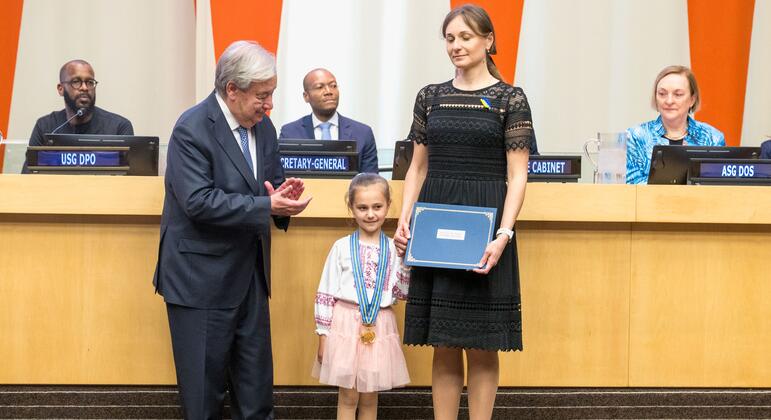

The True Cost of Peace: UN Honors Fallen Peacekeepers as Dangers Mount
Introduction
Every year, the United Nations (UN) honors the courageous men and women who have lost their lives while serving as peacekeepers in conflict zones around the world. The true cost of peace is not merely measured in financial terms but also in the sacrifices made by these dedicated individuals who put their lives on the line to promote stability and security. As global conflicts escalate and new dangers emerge, the role of peacekeepers becomes increasingly critical, necessitating a closer examination of their sacrifices and the challenges they face.
The Role of UN Peacekeepers
UN peacekeepers are deployed to various regions worldwide to help maintain peace and security in post-conflict areas. Their missions vary widely, including monitoring ceasefires, facilitating humanitarian aid, and providing security for vulnerable populations. Since the inception of UN peacekeeping in 1948, over one million military, police, and civilian personnel have participated in missions across more than 70 countries. Each mission comes with its set of challenges, risks, and dangers, significantly impacting the lives of those involved.
Honoring the Fallen
Every year, the UN commemorates the lives of fallen peacekeepers on International Day of UN Peacekeepers, observed on May 29. Ceremonies are held to remember those who have made the ultimate sacrifice. In 2023, the commitment to honoring these heroes took on special significance as the number of peacekeepers who lost their lives in the line of duty continues to rise. Recent statistics revealed that, in 2022 alone, 60 peacekeepers lost their lives, a stark reminder of the growing dangers faced by these brave individuals.
The Growing Dangers of Peacekeeping
1. Escalation of Conflicts
As geopolitical tensions rise, more complex conflicts emerge, often resulting in protracted violence. Peacekeepers are frequently deployed in areas with active hostilities, putting them at significant risk. The escalation of conflicts, particularly in regions like the Sahel and the Middle East, has made peacekeeping more perilous than ever.
2. Targeted Attacks
In recent years, there has been a concerning trend of peacekeepers being deliberately targeted by armed groups. This is particularly evident in regions where militant organizations operate. The risk of ambushes and targeted attacks has increased, leading to a higher casualty rate among peacekeepers.
3. Health Risks
Peacekeepers also face health-related risks, especially during missions in areas affected by diseases, such as Ebola or COVID-19. Limited access to medical facilities and essential supplies exacerbates these risks, making the role of health preparedness in peacekeeping missions more crucial.
The Financial Cost of Peacekeeping
Peacekeeping is a significant investment for the international community, but the financials tell only part of the story. The UN peacekeeping budget is extensive, amounting to approximately $6.4 billion for 2023. However, this budget reflects not just operational costs but also the salaries, training, equipment, and support for personnel.
While funding is critical for successful missions, families of fallen peacekeepers often struggle with the reality of their loved ones’ sacrifices, prompting the UN and member states to provide support and assistance to surviving family members.
The Impact on Local Communities
The presence of peacekeepers has a profound impact on local communities. While their primary mandate is to ensure peace, they also contribute to humanitarian efforts that can enhance local governance and stability. However, it’s essential to recognize the complex dynamics at play. Sometimes, local populations may feel ambivalent or even resentful toward peacekeepers if they perceive a lack of effectiveness or support.
Building Trust and Cooperation
To mitigate these feelings, the UN focuses on engaging with local communities to foster trust and cooperation. This engagement is crucial for the success of peacekeeping missions, as local buy-in can facilitate smoother operations and better outcomes.
The Future of Peacekeeping
As the world faces multiple crises, the need for capable and well-supported peacekeepers is more critical than ever. With emerging technologies and new strategies, the future of peacekeeping may evolve, incorporating more robust training protocols, improved technology, and enhanced collaboration with regional organizations.
1. Utilizing Technology
Technological advancements can significantly improve peacekeeping capabilities. Drones, for example, can be used for surveillance and information gathering, providing real-time data that can help in decision-making. Moreover, better communication systems can enhance coordination among peacekeeping forces, leading to increased efficiency and safety.
2. Training and Preparedness
Investing in comprehensive training programs for peacekeepers is vital. These programs should address the unique challenges posed by modern conflicts, such as urban warfare, asymmetric threats, and health crises. Well-prepared peacekeepers are better equipped to face dangers head-on.
3. Strengthening Global Collaboration
Collaborative efforts among member states are essential for ensuring that peacekeeping operations are adequately supported. This includes not only funding but also sharing best practices and resources to enhance mission effectiveness.
Conclusion
The true cost of peace is often measured in sacrifice, pain, and loss. As the UN honors fallen peacekeepers, it is crucial to recognize the escalating dangers they face in increasingly volatile environments. While significant financial resources are allocated to peacekeeping efforts, the human element—the brave individuals dedicated to safeguarding peace—remains at the forefront of this endeavor.
The international community must prioritize the safety, training, and support of peacekeepers to ensure they can continue their pivotal roles. Only by acknowledging the risks and challenges can we hope to foster genuine peace and security in the regions that need it most. Let us honor those who have fallen by committing to a more effective and robust approach to peacekeeping, ensuring that their sacrifice contributes to a safer world for all.
For more details and the full reference, visit the source link below:
Read the complete article here: https://news.un.org/feed/view/en/story/2026/06/1167665