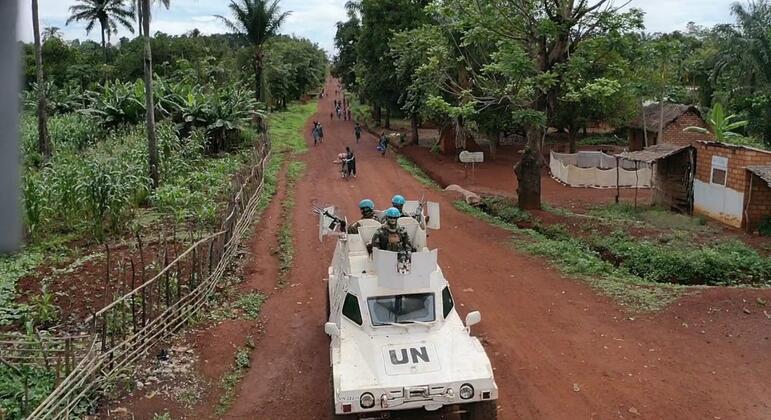

From Firefights to Football Matches: Life on a UN Peacekeeping Frontline
Introduction
Life on a UN peacekeeping frontline is a juxtaposition of stark contrasts. On one hand, soldiers and peacekeepers find themselves in the midst of armed conflicts and firefights, while on the other, they engage in activities that promote unity and community, such as football matches. In this article, we will explore the multifaceted existence of UN peacekeepers, focusing on their roles, challenges, and the importance of community engagement in conflict zones.
Understanding UN Peacekeeping Missions
What is UN Peacekeeping?
United Nations peacekeeping is a mechanism designed to assist countries navigating the tumultuous waters of conflict and post-conflict situations. Established post-World War II, it operates under the principles of consent, impartiality, and non-use of force except in self-defense. The goals of these missions are to help maintain peace and security, protect civilians, and facilitate political processes.
The Role of UN Peacekeepers
UN peacekeepers are often deployed in regions experiencing civil wars, violent uprisings, or other forms of turmoil. They come from various nations, bringing diverse skills, experiences, and cultural understandings. Their tasks may include disarming combatants, monitoring ceasefires, and helping to rebuild infrastructure. However, their presence can also lead to dangerous situations, putting them at risk of attacks from warring factions.
The Realities of Life on the Frontline
Daily Life in Conflict Zones
The daily life of UN peacekeepers can be physically and mentally demanding. Soldiers must remain vigilant against the threats of potential violence, often living in austere conditions. Basic amenities like food, water, and sanitation may be scarce, and peacekeepers must adapt to local environments while maintaining their health and safety.
Coping Mechanisms
To cope with the stress and the harsh lifestyle, peacekeepers often turn to camaraderie and morale-boosting activities. Sports, particularly football, become a vital outlet. These activities not only provide relief from daily pressures but also foster bonds among team members, enhancing unit cohesion.
The Importance of Community Engagement
Building Trust with Locals
Engaging with local communities is crucial for UN peacekeepers. Trust-building takes time and effort, and activities such as football matches serve as essential tools in humanizing peacekeepers and breaking down barriers. When soldiers participate in local sports, they create mutual respect and understanding, which can diffuse tensions and uplift community spirit.
Programs Beyond Football
While football matches are popular, UN missions often implement various other community initiatives. These may include educational programs, medical assistance, and agricultural projects aimed at improving local livelihoods. Each initiative reinforces the notion that peacekeepers are not only enforcers of peace but also partners in community development.
The Role of Football in Peacekeeping
Football as a Universal Language
Football transcends cultural and linguistic barriers, making it an ideal medium for communication and connection in conflict zones. By bringing together local youth and peacekeepers, the sport cultivates camaraderie and teamwork.
Events That Make a Difference
Local tournaments, exhibitions, and friendly matches between UN personnel and local teams help expose children and adults to a world where solidarity and teamwork are paramount. Such events can also soften perceptions of peacekeepers, transforming them from faceless entities into relatable figures.
Challenges Faced by Peacekeepers
Security Risks
Despite their noble mission, peacekeepers often face significant security challenges. Armed groups may perceive them as representatives of a foreign entity, leading to hostility. This tension can turn a friendly football match into a potential flashpoint, necessitating careful protocols and planning.
Emotional Toll of Deployment
Balancing the horrors of warfare with community engagement can take a toll on peacekeepers’ mental health. Witnessing conflict daily, compounded by their attempts to foster unity through events like sports, can lead to profound emotional stress. Ensuring psychological support and counseling services is essential for maintaining their well-being.
Success Stories
Transforming Lives Through Sport
There are countless stories of lives changed through UN peacekeepers’ engagement in community sports. In regions like Liberia and Sudan, youth football leagues have not only improved physical health but also provided a positive outlet for energy, reducing delinquency.
Community Resilience
Communities that have experienced UN peacekeeping missions report increased resilience. Enhanced local institutions, combined with the unity forged through sports, lead to more stable environments. Thus, peacekeepers’ role extends beyond immediate security, influencing long-term peacebuilding efforts.
Conclusion
Life on a UN peacekeeping frontline is complex and multifaceted, woven together with threads of danger, despair, and hope. The contrast between firefights and football matches crystallizes the mission of peacekeepers—to bring about stability while fostering community ties. Such engagement is essential for creating pathways toward lasting peace. As the world faces ongoing conflicts, the lessons learned from these missions remain crucial for future peacekeeping efforts, emphasizing that solidarity, community, and understanding are vital components for a peaceful world.
In summary, the journey from firefights to football matches encapsulates the heart of UN peacekeeping—the courage to confront violence while investing in humanity. As peacekeepers continue to adapt and evolve in their roles, the impact of their work on local communities will remain invaluable in the ongoing quest for peace.
For more details and the full reference, visit the source link below:
Read the complete article here: https://news.un.org/feed/view/en/story/2026/06/1167666