
The Ocean Has No Boundaries: Beauty and Life in a War Zone
Introduction
The phrase “the ocean has no boundaries” evokes a powerful vision of interconnectedness, highlighting how the vast waters of our planet transcend human-made borders. In the context of a war zone, this concept takes on a poignant meaning, as it reminds us of the delicate beauty and resilience of marine life amid the chaos of conflict. In this article, we explore the intricate relationship between the ocean, its inhabitants, and the impact of war on both local ecosystems and communities.
The Ocean as a Metaphor for Freedom
The ocean serves as a symbol of freedom, flowing tirelessly around the world. It sees no divisions between nations, cultures, or peoples. In areas afflicted by war, this metaphor becomes especially significant. The relentless waves and the tide’s rise and fall remind us that, despite humanity’s struggles, nature continues unfazed. This duality is reflected in the landscapes of war-torn regions, where the beauty of the ocean starkly contrasts with the toll of conflict.
The Underwater World: A Sanctuary of Life
Biodiversity in Conflict Zones
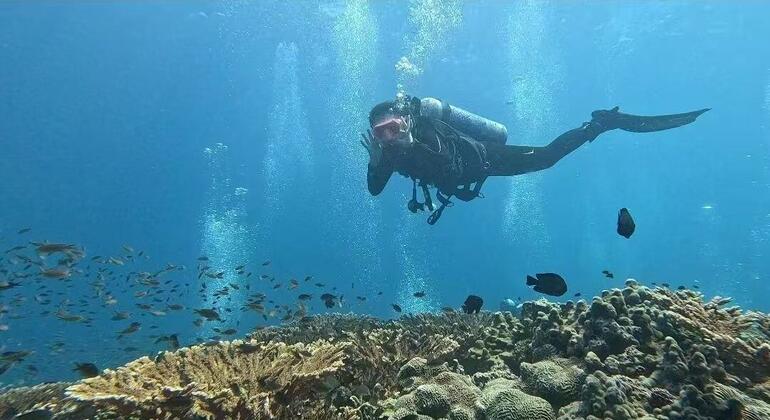
The ocean is home to an astonishing array of life, from vibrant coral reefs teeming with colorful fish to majestic whales that migrate across vast distances. In war zones, these ecosystems remain vital sources of sustenance and livelihood for local communities. Even amid violence, the underwater world thrives, showcasing nature’s resilience.
For example, regions like the Mediterranean Sea and the Red Sea, historically impacted by conflict, boast rich biodiversity that persists despite surrounding turmoil. This natural beauty acts as a reminder that life continues, even in the harshest conditions.
The Role of Marine Species in Local Economies
Fisheries are the backbone of many coastal communities. When war disrupts these delicate ecosystems, the consequences can be dire. Fish populations may dwindle due to pollution from conflict-related activities, while local fishermen find it increasingly difficult to access fishing grounds. However, with the ocean’s resilience, many marine species adapt, and communities often rally together to protect their natural resources.
War’s Impact on Marine Ecosystems
Pollution and Habitat Destruction
Wars often result in environmental degradation, affecting marine ecosystems. Oil spills, chemical runoff, and the destruction of habitats such as mangroves and coral reefs can have long-lasting effects on marine life. For instance, the Gulf War saw significant oil spills that devastated the Gulf’s marine biodiversity, underscoring the urgent need for environmental protection even during conflicts.
The Ripple Effect on Biodiversity
The chain reaction of destruction doesn’t just affect the immediate area. The loss of species disrupts entire food webs, affecting not just the region but potentially altering marine biodiversity on a global scale. Conservation efforts often have to grapple with this complex reality, emphasizing the need to prioritize environmental health even during times of conflict.
The Struggle for Survival: Communities and Oceans
Human Resilience in the Face of Adversity
Local communities often exhibit remarkable resilience in the face of war. Fishermen, whose livelihoods depend on the ocean, embody this spirit as they navigate conflict and strive to preserve their way of life. Many initiate community-led conservation programs to protect marine habitats despite the challenges posed by war.
Cultural Connections to the Ocean
The ocean is more than just a resource; it holds deep cultural significance for many communities. Traditions, stories, and practices linked to the sea shape identities and foster a sense of belonging. In war zones, the ocean serves as a refuge and source of hope, reminding individuals of their heritage and the beauty of their surroundings, even amidst adversity.
Restorative Initiatives: Hope for the Future
Collaboration Across Boundaries
The phrase “the ocean has no boundaries” emphasizes the importance of collaboration. In post-conflict scenarios, nations often find common ground in shared marine resources. Transboundary marine conservation initiatives are crucial to restoring ecosystems and promoting sustainable practices.
Education and Awareness
Raising awareness about the challenges facing marine ecosystems in conflict areas can pave the way for positive change. Education programs that highlight the importance of marine conservation create a sense of stewardship, fostering the next generation’s commitment to preserving the ocean’s beauty.
Conclusion
The ocean, in all its beauty and complexity, stands as both a sanctuary and a reminder of the fragility of life. In war zones, the juxtaposition of nature’s resilience and human conflict underscores the urgent need for awareness and action. By recognizing that “the ocean has no boundaries,” we can unite in our efforts to conserve and protect the marine environments that sustain us all.
Call to Action
To support the preservation of our oceans, consider getting involved in marine conservation efforts or advocating for policies that protect these vital ecosystems. By working together, we can ensure that the beauty and life of the ocean continues to thrive, regardless of the borders defined by conflict.
For more details and the full reference, visit the source link below:
Read the complete article here: https://news.un.org/feed/view/en/story/2026/06/1167648