
World News in Brief: Key Global Updates
In today’s interconnected world, events across the globe shape our collective future. This article delves into four significant headlines: Aung San Suu Kyi’s release from prison, Israel’s new death penalty law, Cambodia’s recent convictions, and the issue of healthcare inequalities in South America.
Aung San Suu Kyi Released from Prison
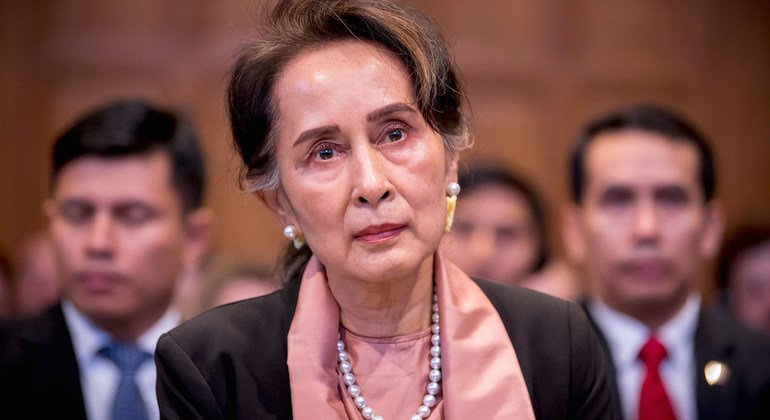
In a significant turn of events, Aung San Suu Kyi, the former leader of Myanmar, has been released from prison after nearly two years of incarceration. Her release coincides with increased international pressure on Myanmar’s military government, which seized power in February 2021. Suu Kyi was detained under politically motivated charges, widely condemned as a means to suppress dissent.
Background of the Situation
Suu Kyi, a Nobel Peace Prize laureate, was once regarded as a beacon of hope for democracy in Myanmar. Following the military coup, she faced a series of irregular trials that resulted in sentences totaling over 30 years. Her release marks a potential turning point for Myanmar, a country in turmoil, and raises questions about the future of democracy in Southeast Asia.
Implications of Her Release
Suu Kyi’s release could pave the way for dialogue between the military government and opposition forces in Myanmar. However, the situation remains precarious. Military leaders retain significant control, and ongoing violence against civilians raises concerns about the country’s stability. International observers will closely monitor whether this development leads to meaningful reforms or merely serves as a façade for continued oppression.
Israel’s New Death Penalty Law
In a controversial move, Israel has passed a new law that reinstates the death penalty for certain offenses, particularly targeting terrorists. This legislation has sparked intense debate both within Israel and globally.
Details of the Law
The law allows courts to impose the death penalty in cases of murder that have a terrorist motive. Supporters argue that it serves as a necessary deterrent against acts of terror, while opponents contend that it undermines Israel’s justice system and moral standing.
Global Reaction
The international community has reacted with caution. Human rights organizations have condemned the law as a regression in human rights protections. Critics argue that the potential for miscarriages of justice is significant. Moreover, many fear the law could escalate violence and create a cycle of retaliation.
Cambodia Convictions
In Cambodia, a court recently convicted several high-profile opposition leaders on charges of treason, a move widely seen as a deliberate act to stifle dissent ahead of upcoming elections.
The Trial and Its Implications
The trial was marked by allegations of political bias, with international observers questioning the fairness of the proceedings. Human rights advocates argue that these convictions are part of a broader strategy by Prime Minister Hun Sen’s administration to consolidate power and suppress opposition voices.
Future Political Landscape
As Cambodia gears up for its elections, the political landscape appears increasingly hostile for dissenters. The government’s crackdown could deter citizens from participating in the political process, raising concerns about the legitimacy of the upcoming elections.
Healthcare Inequalities in South America
As countries in South America grapple with various socio-economic challenges, healthcare inequalities have emerged as a critical issue. Disparities in access to quality healthcare services are evident across the region, particularly affecting marginalized communities.
Factors Contributing to Inequalities
Multiple factors contribute to healthcare inequalities in South America. Economic instability, political corruption, and inadequate infrastructure hinder access to essential services. Rural areas are particularly disadvantaged, often facing shortages of medical professionals and facilities. Additionally, social determinants such as education and income disparities exacerbate these inequities.
Addressing the Crisis
Efforts to address healthcare inequalities in South America require a multifaceted approach. Policymakers must prioritize investments in healthcare infrastructure, particularly in underserved regions. Furthermore, community engagement and education can empower citizens to advocate for their healthcare rights, leading to improved outcomes.
Conclusion
The world is in a state of flux, with each of these stories illustrating the complexities of global governance and social justice. Aung San Suu Kyi’s release offers a glimmer of hope for Myanmar, while Israel’s new death penalty law raises ethical dilemmas about justice and human rights. In Cambodia, the crackdown on opposition members highlights the precarious state of democracy, and the healthcare inequalities in South America remind us of the systemic challenges facing many countries. Each event serves as a reminder of the ongoing struggles for freedom, justice, and equality worldwide.
With an eye on these developments, it becomes increasingly imperative for individuals and communities to promote dialogue, foster understanding, and push for solutions that advance human rights and dignity for all. As we remain connected through global news, our choices and actions can influence change in the world around us.
For more details and the full reference, visit the source link below:
Read the complete article here: https://news.un.org/feed/view/en/story/2026/05/1167428