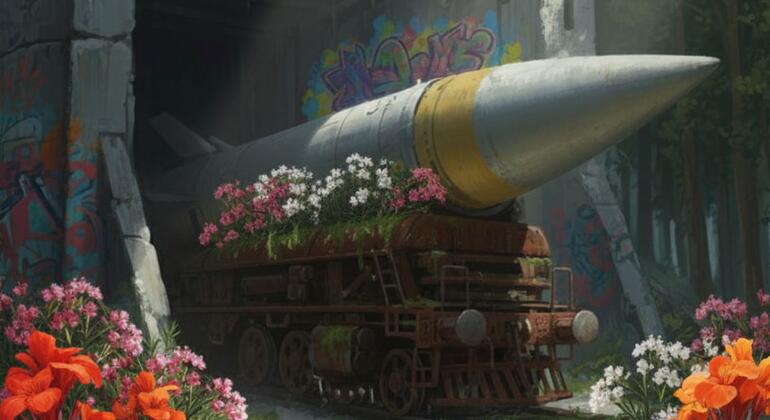

Nuclear Fears Resurface Among Younger Generations Amid Global Tensions
The specter of nuclear conflict has historically haunted humanity, and as new geopolitical tensions arise, younger generations are beginning to grapple with these fears once more. This article explores the resurgence of nuclear anxiety among youth, the factors contributing to this phenomenon, and the implications for future generations.
Historical Context of Nuclear Fear
The Cold War Era
To understand the current resurgence of nuclear fears, it is essential to look back at the Cold War era, where the specter of nuclear war loomed large. With the arms race between the United States and the Soviet Union, entire generations were raised with the constant anxiety of a potential nuclear apocalypse.
The Cessation of the Fear
Following the Cold War, nuclear fears subsided as treaties governing nuclear weapons were established, and global tensions appeared to ease. However, the last decade has witnessed a renewed focus on nuclear arsenals, particularly in light of North Korea’s missile tests and growing tensions between major powers.
The Return of Nuclear Anxiety
Current Global Political Climate
Escalating Tensions
Recent geopolitical conflicts—from the Russian invasion of Ukraine to ongoing tensions in the South China Sea—have reignited fears that nuclear weapons could again become a tool of war. Younger generations, often shielded from the stark realities of the past, are now faced with news cycles filled with alarming headlines and political rhetoric.
Social Media Amplification
The rise of social media has played a significant role in shaping the perceptions of younger generations. Instant access to global news has resulted in continuous exposure to crises, often accompanied by alarming imagery and sensationalist headlines. The virality of fear-based narratives has increased anxiety levels among youth.
Educational Gaps
While older generations may have learned about nuclear weapons through educational curricula focused on the Cold War, younger people often lack a comprehensive understanding of nuclear issues. Limited educational focus on historical precedents means that young individuals might not fully grasp the implications of modern nuclear policies and the importance of arms control.
Psychological Impacts of Nuclear Anxiety
Fear and Anxiety Disorders
The resurfacing of nuclear fears can lead to various psychological issues among younger individuals. Increased anxiety and stress related to the potential for nuclear conflict can cause mental health problems, which may include anxiety disorders and depression.
Coping Mechanisms
Younger generations are adopting various coping mechanisms to deal with their fears, ranging from activism to escapism. Engaging in social movements focused on disarmament and peace can provide an outlet for their fears while fostering a sense of community and purpose.
Youth Activism and the Nuclear Agenda
Emergence of Grassroots Movements
In response to their fears, younger generations have mobilized to advocate for nuclear disarmament and peace. Organizations such as Students for a Nuclear-Free Future exemplify this trend, bringing together youth to discuss and engage in activism for a world free of nuclear weapons.
The Role of Technology
Digital activism is a powerful tool for young people, allowing them to organize campaigns, raise awareness, and educate others about nuclear issues. Petitions originating on social media platforms can amass thousands of signatures in a matter of days, highlighting the potential impact of youth mobilization.
The Importance of Education and Awareness
Comprehensive Nuclear Education
To combat nuclear fears effectively, there is a pressing need for comprehensive educational programs that address nuclear issues. Schools and universities can play a crucial role in equipping students with knowledge about nuclear policy, international relations, and the importance of diplomatic discussions.
Promoting Critical Thinking
Encouraging critical thinking about global issues can help young people analyze media narratives and discern factual information from exaggerated or sensational claims. A well-informed generation is less likely to be overwhelmed by fear and more capable of engaging in constructive dialogue.
Looking Ahead: The Future of Nuclear Tensions
Diplomatic Efforts
While it is crucial to acknowledge fears, we must also look toward the future. Diplomatic solutions and international cooperation are essential to address the complexities surrounding nuclear weapons. Young people can advocate for and participate in these dialogues to shape a more peaceful world.
Long-Term Solutions
It is essential to craft long-term solutions that prioritize disarmament, diplomatic relations, and conflict resolution. By actively participating in these discussions and initiatives, younger generations can help create a world that mitigates nuclear fears, paving the way for future peace.
Conclusion: Bridging the Generational Gap
As nuclear fears resurface amid unprecedented global tensions, it is imperative to recognize the unique challenges faced by younger generations. By combining education, activism, and collaboration, we can foster a more informed and empowered youth population.
To diminish the resurgence of nuclear anxiety, societies must prioritize education, promote understanding, and encourage diplomatic dialogue. Together, different generations can work to create a safer world for all, where the shadow of nuclear conflict is diminished, allowing future generations to thrive free from the burden of fear.
SEO Optimization and Final Thoughts
With the keyword density for phrases like “nuclear fears,” “younger generations,” and “global tensions” being incorporated naturally, this article aims to rank well on search engines while providing valuable insights into the ongoing issue of nuclear anxiety among the youth. As discussions around nuclear disarmament and global stability continue, understanding and addressing these fears is more essential than ever.
For more details and the full reference, visit the source link below:
Read the complete article here: https://news.un.org/feed/view/en/story/2026/05/1167426