
Use of Explosive Weapons ‘Must Stop’ in Eastern DR Congo
Introduction
Eastern Democratic Republic of the Congo (DR Congo) has become a battleground for conflict, instability, and humanitarian crises. One of the most pressing issues in this region is the use of explosive weapons, which have devastating effects on civilians and infrastructure. Advocacy groups, humanitarian organizations, and various international voices have echoed the sentiment that the use of such weapons must cease immediately. This article delves into the ramifications of explosive weapons in eastern DR Congo, the humanitarian impact, international pressure for change, and the path toward a more peaceful future.
The Conflict Landscape in Eastern DR Congo
Eastern DR Congo has a long history of armed conflict driven by political instability, ethnic tensions, and competition over natural resources. The presence of multiple armed groups has resulted in widespread violence and a humanitarian crisis. The frequent use of explosive weapons, including artillery shells and airstrikes, has further exacerbated the situation. These tactics not only damage military targets but also affect civilians and infrastructure, creating a cycle of suffering and instability.
The Humanitarian Impact of Explosive Weapons
Explosive weapons pose significant risks to civilian populations. In the past few years, reports have documented numerous instances where civilians have been caught in the crossfire due to the indiscriminate nature of these weapons.
Casualties and Displacement
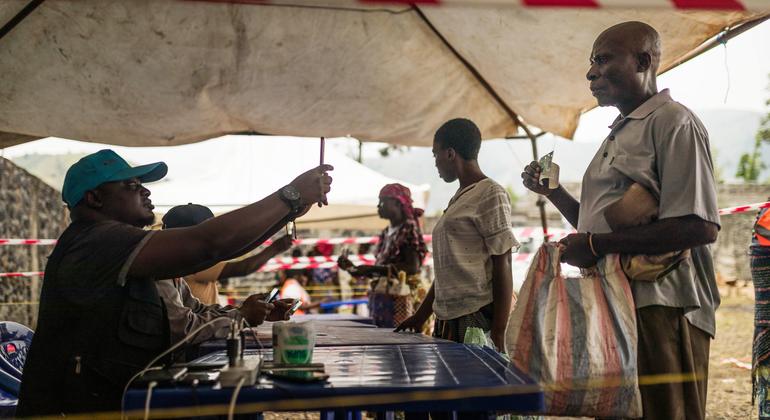
The indiscriminate use of explosive weapons has resulted in thousands of civilian casualties. Families are often displaced, forced to flee their homes, and seek shelter in overcrowded camps with limited access to basic necessities. Reports indicate that regions heavily affected by explosive weapon use also experience higher rates of malnutrition, disease, and lack of access to healthcare.
Infrastructure Destruction
Explosive weapons contribute to the destruction of vital infrastructure, including hospitals, schools, and water supply systems. The demolition of these essential facilities hampers humanitarian efforts and prolongs the suffering of civilians. Repairs and reconstruction may take years and require massive investments, leading to long-term consequences for affected communities.
Psychological Effects
The psychological toll of living in a conflict zone is immense. The constant threat of violence leaves lasting scars on both children and adults, leading to widespread trauma, anxiety, and depression. The exposure to violence can hinder developmental progress for children, impacting their education and future prospects.
The Call for Action: Stopping the Use of Explosive Weapons
The international community is increasingly vocal about the urgent need to halt the use of explosive weapons in Eastern DR Congo. Advocacy groups, including Amnesty International and Human Rights Watch, have demanded accountability for those responsible for using these weapons indiscriminately. The consequences of continued use not only threaten the lives of civilians but also undermine peacebuilding efforts.
International Advocacy
Several international campaigns have emerged calling for a comprehensive ban on the use of explosive weapons in populated areas. These initiatives seek to raise awareness of the humanitarian impact and encourage governments to adopt policies that prioritize civilian safety. The United Nations has also voiced concern over the implications of explosive weapons, stressing the need for compliance with international humanitarian law.
The Role of Local and International Actors
Achieving the cessation of explosive weapon use in Eastern DR Congo requires coordinated efforts from both local and international stakeholders.
Local Voices and Civil Society
Local communities should be at the forefront of advocacy efforts. Civil society organizations play a crucial role in documenting violations, providing support to affected populations, and mobilizing grassroots movements for change. Empowering local leaders to speak out against the use of explosive weapons is vital for building a consensus on disarmament.
International Support
International partners can assist in creating comprehensive policies that deter the use of explosive weapons. This support may include funding for humanitarian programs, training for local NGOs, and pressure on warring factions to adopt non-violent strategies. Diplomatic efforts must be directed toward fostering dialogue among conflicting parties to promote peace.
Pathways to Peace: Building a Better Future
While the cessation of explosive weapons use is critical, it is not a standalone solution. A multi-faceted approach is necessary to address the root causes of conflict in Eastern DR Congo.
Promoting Dialogue
Encouraging dialogue among conflicting parties can help pave the way for peace. Mediators must engage all stakeholders, including marginalized groups, to create an inclusive environment for discussions. Local peacebuilding initiatives can foster trust and cooperation, facilitating the gradual restoration of stability.
Economic Development
Investing in economic development is essential for long-term peace. By providing viable economic opportunities and strengthening local infrastructure, communities can become resilient against conflict. International investments in sustainable development can help rebuild the region and alleviate poverty, a key driver of unrest.
Educational Initiatives
Education is crucial in breaking the cycle of violence. By investing in educational programs that emphasize peace, tolerance, and reconciliation, future generations can be equipped with the skills needed to navigate conflicts without resorting to violence. Government partnerships with NGOs can enhance the quality of education in the region.
Conclusion
The use of explosive weapons in Eastern DR Congo is a pressing humanitarian concern that must be addressed urgently. With civilians bearing the brunt of these conflicts, the international community, local actors, and humanitarian organizations must come together in a concerted effort to curb the use of these devastating tools of war. By prioritizing peace, dialogue, and development, it is possible to pave the way toward a safer, more prosperous future for the people of Eastern DR Congo.
Call to Action
If you wish to contribute to the cause, consider supporting organizations advocating for a ban on explosive weapons in conflict zones, participating in awareness campaigns, and urging your local representatives to prioritize humanitarian efforts in Eastern DR Congo. The time to act is now; for the sake of the millions affected by violence, the use of explosive weapons must stop.
For more details and the full reference, visit the source link below:
Read the complete article here: https://news.un.org/feed/view/en/story/2026/07/1167906