
US-Iran War Leaves Shipping at Near-Standstill in Hormuz
The strategic Strait of Hormuz has once again become a focal point of international tension and disruption, raising alarms for global shipping and trade. As the prospect of conflict between the United States and Iran escalates, so does the risk for maritime operations in one of the world’s busiest waterways. This article explores the implications of the US-Iran conflict on shipping activities in the Hormuz Strait, its economic ramifications, and the geopolitical landscape that shapes this critical corridor.
Understanding the Strait of Hormuz
Significance of the Strait
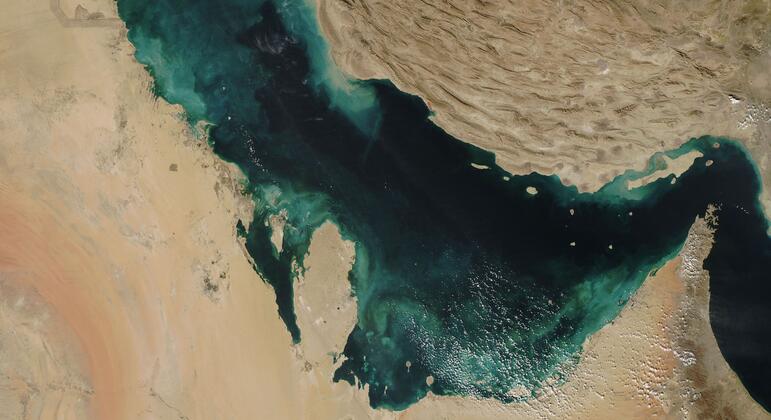
The Strait of Hormuz, a narrow passage between Oman and Iran, serves as a critical chokepoint for maritime trade, particularly for oil shipments. Approximately 20% of the world’s oil supply passes through this strait, making it an essential artery for energy transportation. Its geopolitical importance stretches beyond oil; the strait is also vital for liquefied natural gas (LNG) and various other commodities.
Historical Context
Historically, the region has been marred by tensions and conflicts. The Iran-Iraq War, Gulf War, and ongoing disputes regarding nuclear capabilities and regional dominance have often threatened the stability of shipping routes. Understanding this background is essential to grasp the current crisis.
Current Tensions Between the US and Iran
Background of Hostilities
The US-Iran relationship has been frosty since the 1979 Iranian Revolution, which saw the overthrow of the US-backed Shah. Sanctions, military interventions, and accusations of state-sponsored terrorism have fueled ongoing animosities.
Recent Developments
The current tensions can be traced back to the withdrawal of the US from the Joint Comprehensive Plan of Action (JCPOA) in 2018, which was followed by increased sanctions on Iran. Subsequent actions, such as attacks on oil tankers and military installations, have escalated the situation, bringing shipping in Hormuz to a near-standstill.
Impact on Shipping and Global Trade
Increased Insurance Costs
As hostilities heighten, shipping companies are forced to navigate a perilous environment. Insurance premiums for vessels transiting through the Strait of Hormuz have surged dramatically, reflecting the increased risk. This financial burden can lead to higher shipping costs, which ultimately impact consumers worldwide.
Shipping Delays and Rerouting
With tensions reaching a boiling point, shipping companies are either delaying dispatches or rerouting vessels to avoid the strait. Such measures create inefficiencies that can have ripple effects across global supply chains, leading to delays in the delivery of goods.
Economic Implications
The closure or disruption of the strait could lead to a spike in global oil prices, affecting economies around the world. Countries that rely heavily on oil imports will experience inflationary pressures, while oil-exporting nations may benefit temporarily from increased prices. However, the underlying instability can create an unpredictable global market.
Geopolitical Ramifications
Regional Instability
The Hormuz crisis does not only affect shipping; it also raises concerns about regional stability. Neighboring countries, such as Saudi Arabia and the UAE, are on high alert as they monitor Iran’s military advancements and potential retaliatory actions.
International Responses
The US has signaled its commitment to ensuring maritime safety in the region, deploying naval fleets and conducting freedom of navigation operations. However, these moves have been met with warning signs from Iran, which pledges to defend its territorial waters. Countries worldwide will need to navigate these complex relationships carefully to avoid exacerbating tensions.
Navigating the Crisis
Strategies for Shipping Companies
To mitigate risks, shipping companies must adopt flexible strategies. This may include diversifying routes, enhancing security measures, and collaborating with international maritime organizations to share intelligence about potential threats in the region.
The Role of Diplomacy
While military posturing is one avenue, diplomatic negotiations remain the most effective path to ensuring maritime safety. Countries must engage in dialogue, promoting collaborative efforts to de-escalate tensions in the region.
Future Outlook
Continued Volatility
The future of shipping through the Strait of Hormuz remains uncertain. If diplomatic efforts fail and military confrontations escalate, future shipping may not only face increased risks but also a potential closure of the strait.
Investment in Alternatives
As global shipping increasingly faces challenges in Hormuz, there may be a push towards developing alternative trade routes. Investments in infrastructure, such as pipelines running from the Gulf region to other maritime points, could alleviate the pressure on the Strait of Hormuz.
Long-term Solutions
Long-term solutions must address not just immediate threats but the foundational issues underlying US-Iran relations. A comprehensive approach that balances deterrence with open channels for dialogue is essential to achieving lasting peace in the region.
Conclusion
The ongoing tensions between the US and Iran have left shipping activities at a near-standstill in the Strait of Hormuz, a development that carries profound implications for global trade and economic stability. As maritime operations confront increasing risks, strategic decisions taken now will determine the future of this vital waterway. It is crucial for shipping companies, governments, and international organizations to work collaboratively to ensure that this critical maritime corridor remains open, safe, and secure. The stakes are high; the world will be watching closely as these geopolitical dynamics unfold in the months to come.
SEO Keywords:
US-Iran conflict, Strait of Hormuz, shipping disruption, global trade, maritime security, oil prices, regional instability, shipping strategies, diplomatic negotiations.
For more details and the full reference, visit the source link below:
Read the complete article here: https://news.un.org/feed/view/en/story/2026/07/1167905