
UN Chief Hails Syria’s ‘Moment of Possibility’ on First Visit Since the Fall of Assad Regime
Introduction
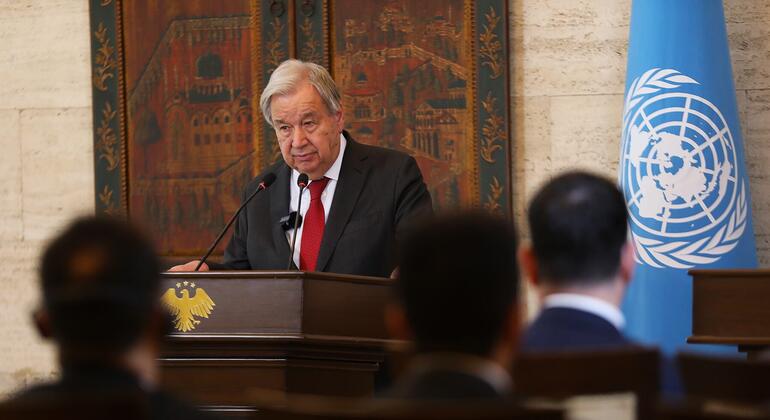
In a significant diplomatic development, the United Nations Secretary-General, António Guterres, recently visited Syria, marking his first trip to the war-torn nation since the fall of the Assad regime. His visit comes at a time of renewed hope and potential for peace in the region, spurring discussions among global leaders and organizations about how the international community can assist Syria in rebuilding and moving towards stability.
Background: The Syrian Civil War
The Syrian Civil War, which began in 2011, has caused one of the worst humanitarian crises in modern history. The conflict has led to the displacement of millions and the loss of countless lives. The once-thriving nation has faced significant destruction, creating extensive challenges for its citizens and the international community alike. In the wake of the war, many countries, including those in the Middle East, are reevaluating their strategies on how to engage with Syria as the prospect of peace becomes more attainable.
Guterres’ Visit: A Turning Point
During his visit, Secretary-General Guterres emphasized the “moment of possibility” that Syria is currently experiencing. This phrase captures the essence of a crucial transition phase for the country, marking a shift from years of conflict to prospects for peace and stability. Guterres expressed optimism that the Syrian people deserve a chance at a better life and called for international cooperation in achieving sustainable solutions.
The Need for Humanitarian Aid
Despite the newfound optimism surrounding Syria, the need for humanitarian aid remains critical. Millions of Syrians continue to live in dire conditions, lacking access to basic necessities such as food, clean water, and healthcare. Guterres highlighted the importance of not only providing immediate relief but also investing in long-term recovery strategies that equip the Syrian population to rebuild their lives and communities.
Funding Humanitarian Efforts
One of the main challenges in delivering humanitarian aid to Syria is securing adequate funding. The United Nations has called on member states to contribute to its humanitarian appeals to ensure ongoing support. The international community must recognize that investing in Syria’s recovery not only benefits the people living there but also fosters regional stability.
Engaging Regional Players
Guterres’ visit has highlighted the importance of involving regional players in the effort to restore stability in Syria. Countries like Turkey, Iran, and Gulf states have vested interests in the outcome of the Syrian conflict. Guterres emphasized the need for collaborative efforts among these nations to address shared concerns, such as refugee resettlement, security issues, and economic rehabilitation.
The Role of Neighboring Countries
It is essential for surrounding countries to engage actively in rebuilding Syria. Their involvement could include offering support in terms of trade, infrastructure, and education. By working together, these nations can contribute to a peaceful and prosperous future for Syria, ultimately leading to broader regional stability.
The Path to Political Solution
Guterres underscored that while humanitarian efforts are essential, a lasting solution to the Syrian crisis hinges on a political resolution. As part of this process, he reiterated the importance of inclusive dialogue among all Syrian factions, including opposition groups, government representatives, and civil society organizations.
The Role of the UN
The United Nations plays a pivotal role in facilitating these conversations and ensuring that various voices are heard. By promoting a politically inclusive process, the international body can help foster an environment where sustainable governance can take root, allowing the Syrian people to reclaim their agency in shaping their future.
Focusing on Youth and Education
One of the critical components of restoring Syria lies in investing in its youth and education system. A generation has grown up amidst conflict, and empowering them through education will be crucial in rebuilding the nation. Guterres urged international partners to prioritize educational initiatives in their humanitarian aid strategies.
Strategies for Education
Strategies can include building schools, training educators, and developing curricula that promote peace and inclusion. By investing in the younger generation, the international community can contribute to breaking the cycle of violence and helping Syria develop a vibrant and engaged populace.
The Role of International Organizations
Various international organizations already operate in Syria, aiming to provide humanitarian assistance and facilitate dialogue. However, there is a need for more streamlined efforts that focus on collaborative initiatives. Guterres’ visit underscores the need for unity in these efforts, highlighting that the complexity of the situation demands a coordinated approach.
Building Partnerships
Partnerships between NGOs, government agencies, and international bodies will be crucial in rebuilding efforts. By working towards common goals, these organizations can create a consensus-driven strategy that addresses the multifaceted challenges facing Syria today.
Challenges Ahead
Despite the optimism surrounding Guterres’ visit, significant challenges still lie ahead. Political fragmentation, ongoing violence, and deeply entrenched sectarian divisions hinder the peace process.
The Importance of Persistence
Persistence and commitment from the international community will be essential in overcoming these obstacles. Guterres emphasized the need for sustained dialogue and engagement, which will be necessary to build a framework for peace that resonates with all stakeholders in the region.
Conclusion: A Nation on the Brink of Change
Secretary-General Guterres’ visit to Syria has shed light on a pivotal moment for the nation—a moment filled with potential and possibilities. The international community must unite to support the Syrian people in their quest for humanitarian aid, political resolution, and a brighter future. As the world watches closely, collaboration, investment in education, and inclusive political dialogue will be vital in transforming Syria’s landscape and paving the way for lasting peace.
Call to Action
Leaders from around the globe must heed this call, recognizing that every effort matters in shaping Syria’s future. Together, the international community can help support a nation that is not just emerging from conflict but is also ready to embrace the possibilities of peace and prosperity. As we move forward, let the spirit of collaboration and unity empower Syria towards a more hopeful tomorrow.
By focusing on these themes, we can optimize our content for SEO while emphasizing the critical social and political nuances surrounding this unfolding story.
For more details and the full reference, visit the source link below:
Read the complete article here: https://news.un.org/feed/view/en/story/2026/07/1168027