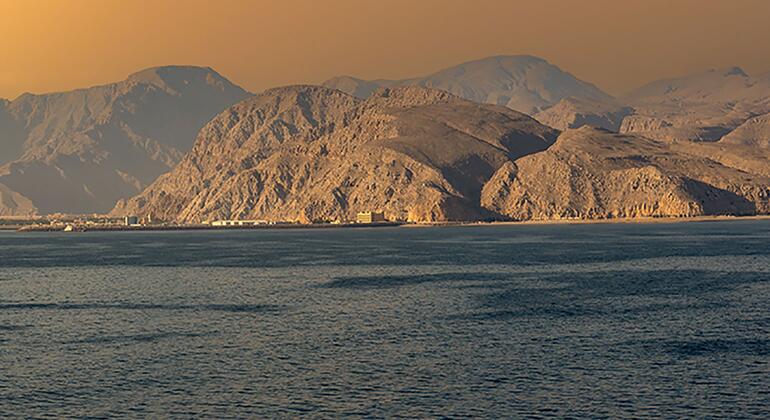

UN Warns Against Wider Escalation After Houthi Attacks in the Red Sea
Introduction
The Middle East has been a focal point of geopolitical tensions for decades, and recent developments further complicate this intricate landscape. The United Nations has recently issued a stark warning regarding the potential for wider escalation following a series of Houthi attacks in the Red Sea. This article delves into the context of these hostilities, the potential implications for regional and global stability, and strategies for peace.
Context of the Houthi Attacks
The Houthi movement, officially known as Ansar Allah, has been a significant player in Yemen’s protracted civil war since 2015. Originating primarily from the Zaidi Shia community, the Houthis have engaged in a conflict characterized by complex local, regional, and international dimensions. The Red Sea, an essential maritime route, has recently become a flashpoint due to multiple attacks attributed to the Houthis, targeting vessels and infrastructure.
Key Incidents
In recent weeks, the Houthis have reportedly attacked commercial ships in the Red Sea, disrupting trade routes and raising concerns about international shipping safety. This escalation not only affects the immediate parties involved but also poses risks to global oil supply chains and maritime security.
Implications for Regional Stability
Escalation of Tensions
The UN’s warning indicates a severe concern for a broader conflict involving regional powers. The Houthis are backed by Iran, which heightens the stakes significantly. With regional adversaries, notably Saudi Arabia and its allies, monitoring these developments closely, there exists a real fear that retaliatory actions could lead to a wider confrontation.
Humanitarian Concerns
The ongoing conflict in Yemen has already created one of the world’s worst humanitarian crises. Further escalation could worsen conditions for civilians, adding to the already dire situation characterized by famine, disease, and displaced populations.
Global Impact and Response
Economic Repercussions
The Red Sea serves as a vital artery for global trade, particularly for oil exports. Escalating tensions threaten not only regional security but also the stability of international markets. The potential rise in oil prices could have cascading effects on the global economy, particularly in European and Asian markets reliant on Middle Eastern oil.
International Response
The international community, spearheaded by the United Nations, is actively engaged in diplomatic efforts to de-escalate tensions. Initiatives include calls for negotiations between the Houthis and Saudi-led forces, aimed at achieving a sustainable peace agreement.
Strategies for Peace
Diplomatic Engagement
-
United Nations Mediation: Continued UN involvement is crucial for facilitating dialogue between conflicting parties. By providing a neutral platform for discussions, the UN can help bridge the gap between the Houthis and their adversaries.
-
Regional Cooperation: Countries in the Middle East need to work together to address shared security concerns. A collaborative security framework could provide the foundation for lasting peace.
Humanitarian Aid
In light of the humanitarian crisis, international organizations must ramp up efforts to provide aid to Yemen. Humanitarian relief should be directed towards common goals, helping to mitigate the suffering of millions and creating a more conducive environment for peace talks.
Economic Initiatives
Several economic initiatives could facilitate peace by incentivizing stability. Investments in infrastructure and development projects in Yemen could provide tangible benefits, creating mutual interdependence among regional players.
Conclusion
The situation in the Middle East, particularly in relation to the Houthi attacks in the Red Sea, underscores the fragile nature of regional stability. The United Nations’ warning serves as a critical reminder of the potential for escalation and its far-reaching implications. Proactive measures, including diplomatic engagement, humanitarian aid, and economic incentives, are essential to mitigate risks and foster a peaceful resolution to this protracted conflict. Only through collective efforts can we hope to secure a stable and peaceful future for the Middle East.
SEO Optimization Techniques
To enhance the searchability of this article, specific keywords and phrases connected to the content have been included effectively:
- Houthi attacks
- Red Sea tensions
- Middle East conflict
- United Nations warning
- Yemen humanitarian crisis
- Regional stability initiatives
Using these keywords strategically throughout the article allows readers and search engines to recognize the primary themes, ensuring higher visibility in search results.
By employing these strategies and focusing on SEO optimization, the discussion surrounding the ongoing crisis in the Middle East can reach a broader audience, fostering greater awareness and understanding of this critical global issue.
For more details and the full reference, visit the source link below:
Read the complete article here: https://news.un.org/feed/view/en/story/2026/07/1168016