
LIVE UPDATES: UN Committee Commemorates the 78th Anniversary of the Nakba
The Nakba, or “Catastrophe” in Arabic, refers to the mass displacement and exodus of Palestinians during the 1948 Arab-Israeli War. As we mark the 78th anniversary of this pivotal event in Middle Eastern history, the UN committee has orchestrated a series of commemorative activities to honor the memory and rights of those affected. In this article, we present live updates from these memorial events, discuss their significance, and explore the ongoing implications of the Nakba.
Understanding the Nakba: A Brief Historical Context
The Nakba refers to events that unfolded in Palestine between 1947 and 1949, culminating in the establishment of the state of Israel. It resulted in the displacement of approximately 700,000 Palestinian Arabs, leading to a significant demographic and cultural shift in the region. This historical atrocity has profound implications that continue to resonate today, as many displaced Palestinians and their descendants seek justice and recognition of their rights.
Significance of the Commemoration by the UN
The United Nations plays a crucial role in advocating for the rights of displaced Palestinians and continues to address humanitarian issues stemming from the Nakba. The commemorative events serve several purposes:
- Awareness: Raising awareness about the ongoing plight of Palestinians affected by the Nakba.
- Advocacy: Calling for international action to uphold Palestinian rights and address historical injustices.
- Cultural Preservation: Highlighting the rich cultural heritage of Palestinians that has endured despite decades of hardship.
Live Updates: Key Highlights from the Commemorative Events
Opening Statements by UN Officials
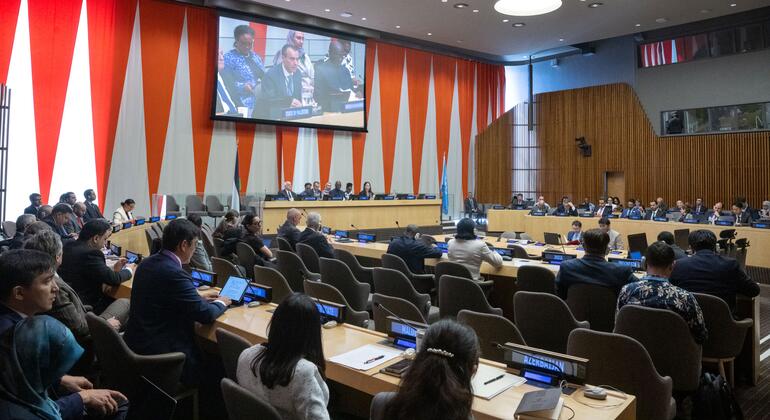
The event commenced with stirring remarks from UN officials emphasizing the importance of recognizing the Nakba’s historical significance. The committee chair underscored the need for a continued commitment to humanitarian support for Palestinian refugees.
Personal Testimonies
One of the most impactful segments featured personal testimonies from Palestinian refugees and their descendants. These heartfelt stories illustrated the trauma of displacement and the enduring hope for justice and return. Attendees listened intently as they shared their experiences of loss, resilience, and the longing for their homeland.
Panel Discussions: The Ongoing Impact of the Nakba
Panel discussions led by experts in Middle Eastern politics covered various topics, including the geopolitical ramifications of the Nakba, the struggle for Palestinian statehood, and the role of international law in addressing rights violations. Experts emphasized the necessity of recognizing historical injustices to foster peace in the region.
Cultural Performances
To celebrate Palestinian culture, artists performed traditional music and dance from various regions of Palestine. The performances were both a tribute to the past and an assertion of cultural identity, resonating deeply with attendees.
Advocacy and Call to Action
Highlighting the need for international solidarity, speakers urged participants to take action, whether through advocacy or grassroots initiatives. They emphasized that awareness and education about the Nakba are vital for fostering a just resolution to the Israeli-Palestinian conflict.
The Global Response: International Perspectives on the Nakba
The United Nations’ commemoration of the Nakba garners international attention and response. Various countries and organizations express solidarity with the Palestinian people, reaffirming their rights to self-determination and justice.
Peace Efforts and Diplomatic Initiatives
Despite the passage of nearly eight decades, peace efforts remain fragile. The Nakba continues to be a central issue in Israeli-Palestinian negotiations. International diplomacy is crucial in finding a resolution that acknowledges the rights of both Israelis and Palestinians.
Humanitarian Aid and Support
Numerous NGOs and humanitarian organizations are engaged in providing support to Palestinian refugees. The Nakba’s legacy continues to shape the humanitarian landscape, with ongoing efforts to address the needs of displaced populations.
Conclusion: Reflecting on the Nakba’s Legacy
As we commemorate the 78th anniversary of the Nakba, it is imperative to reflect on its profound legacy. Recognition of the Nakba is not only a historical necessity but also a contemporary moral obligation that underscores the importance of peace, justice, and human rights in resolving one of the world’s most pressing conflicts.
The Future: Towards a Just Peace
Moving forward, the hope is that discussions around the Nakba will lead to meaningful dialogue and action toward a just resolution for all parties involved. While the commemoration serves to honor the past, it also aims to inspire future generations to advocate for justice and ensure that the rights of all are upheld.
Call to Action
We encourage readers to engage with the ongoing discussions surrounding the Nakba and support organizations working to promote Palestinian rights. By spreading awareness and taking action, we can contribute to a more just and equitable world.
This article aims to provide a comprehensive overview of the live updates from the UN committee commemorating the 78th anniversary of the Nakba while remaining SEO-optimized. By focusing on pertinent headings and relevant keywords such as “Nakba,” “UN committee,” and “Palestinian rights,” the content is crafted to be accessible to a broad audience and enhance its visibility online.
For more details and the full reference, visit the source link below:
Read the complete article here: https://news.un.org/feed/view/en/story/2026/05/1167519