
Israeli Military Strikes: Increasing Civilian Suffering in Gaza, West Bank, and Lebanon
Introduction
The ongoing conflict in the Middle East, particularly involving Israel, has led to widespread civilian suffering, especially in Gaza, the West Bank, and Lebanon. Israeli military strikes, often justified as necessary for national security, tend to exacerbate an already dire humanitarian situation facing innocent civilians. This article explores the implications of these military actions on civilian life and examines how these strikes contribute to an unending cycle of violence and suffering.
The Humanitarian Crisis in Gaza
Historical Context
Since the early 2000s, Gaza has been subjected to a blockade that restricts the movement of people and goods, significantly impacting everyday life. The situation escalated in 2008 with the onset of the Gaza Wars, each leading to significant loss of life and infrastructure destruction. The 2021 conflict marked another dramatic escalation, leaving countless civilians devastated and ill-equipped to recover.
Impact of Military Strikes
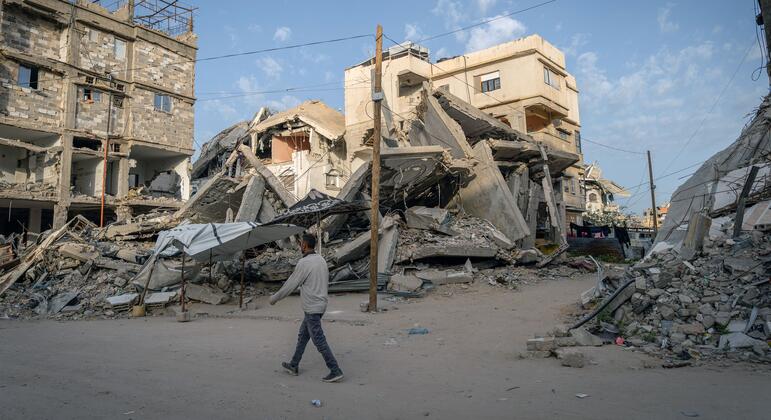
Israeli military strikes in Gaza have led to considerable civilian casualties. Reports indicate that thousands of people, including women and children, have lost their lives due to aerial bombardments and ground operations. Hospitals and schools, often used as shelters, have been bombed, severely limiting access to medical care and safe spaces for displaced people.
Psychological and Economic Effects
The psychological impact on Gazans is profound. Continuous airstrikes and the ever-present threat of violence contribute to PTSD and other mental health issues among the population. Economically, Gaza’s already weakened infrastructure faces more destruction, leading to soaring unemployment rates and crippling poverty, hindering any possible recovery.
The Situation in the West Bank
Rising Tensions
Unlike Gaza, the West Bank is home to a different set of dynamics. Despite being under Palestinian Authority governance, Israeli military presence is prevalent, leading to frequent clashes. Israeli military operations, often framed as “counter-terrorism,” execute raids that lead to arrests and violent confrontations, resulting in civilian sorrow and displacement.
Military Raids and Settler Violence
In recent years, military raids in Palestinian villages have led to civilian deaths and injuries, capturing the world’s attention. Settler violence against Palestinians has escalated, fueling tensions between communities and prompting fear among those living in the West Bank. The need for enhanced security measures often comes at the expense of Palestinian civilian lives, further institutionalizing a cycle of violence.
The Role of International Observers
International monitors and organizations often express concern over the humanitarian implications of Israeli military operations. Reports call for better compliance with international humanitarian laws and a cease to practices that lead to civilian casualties. However, achieving significant change has been challenging, leaving Palestinians to bear the brunt of violence.
Lebanon: A Deepening Crisis
The Hezbollah Factor
Lebanon has also seen its share of conflict related to Israeli military actions, chiefly due to the presence of Hezbollah. Israeli airstrikes are often directed at Hezbollah targets, yet they indiscriminately affect civilian areas. Such military actions incite fear and create a humanitarian crisis.
Civilian Impact and Displacement
The strikes against alleged militant strongholds often result in civilian casualties. Buildings are destroyed, and communities are displaced. With Lebanon still recovering from years of civil strife, adding the burden of military strikes only exacerbates existing vulnerabilities. Families are often forced to flee their homes, leading to further instability within the region.
Long-term Consequences
Lebanon’s social fabric is fragile, and continued conflict exacerbates sectarian divisions and socio-economic challenges. With growing poverty, high youth unemployment, and a crumbling infrastructure, the Lebanese populace is increasingly caught in the crossfire, getting less attention from the international community concerning their plight.
The Role of the International Community
Calls for Intervention
Global reactions to the suffering in these regions vary widely. Numerous NGOs and humanitarian organizations call for an end to military aggression and advocate for a more significant international role in mediating peace. The United Nations regularly issues statements condemning violence and urging both sides to return to negotiations.
Media Coverage and Attention
Media portrayal also plays a crucial role in highlighting civilian suffering. However, coverage tends to focus on military actions rather than the aftermath, obscuring the long-term consequences faced by innocent civilians. Continuously reporting on the humanitarian implications is essential for fostering international awareness and action.
Steps Toward Resolution
Diplomatic Efforts
Diplomatic channels must remain open to resolve the conflict. Engaging in multi-national peace talks has been shown to yield some progress, though these efforts often stall due to increased hostilities and lack of trust between the parties. Humanitarian pauses for aid distribution can be beneficial but are often quite poorly implemented.
Fostering Civilian Protection
A renewed focus on civilian protection is vital. International law mandates the protection of non-combatants during conflicts. Both Israel and Palestinian authorities must be held accountable for actions that endanger civilians, and a commitment to human rights must be consistently reaffirmed.
Grassroots Movements
Grassroots movements among both Palestinians and Israelis can contribute to reducing tensions. Promoting dialogue and cooperation can demonstrate a shared commitment to peace that transcends political disagreements, fostering understanding and compassion between communities.
Conclusion
The cycle of violence stemming from Israeli military strikes is a glaring humanitarian issue, with far-reaching consequences for civilians in Gaza, the West Bank, and Lebanon. A comprehensive approach that prioritizes civilian well-being, engages in responsible diplomacy, and addresses the underlying grievances is urgently needed to break this cycle. It is only through a commitment to peace that the suffering can come to an end, allowing for a future where all people in the region can live in safety and dignity.
This complex conflict requires collective efforts from local communities and the international community alike to heal deep-seated wounds and pave the way toward lasting peace.
For more details and the full reference, visit the source link below:
Read the complete article here: https://news.un.org/feed/view/en/story/2026/05/1167521