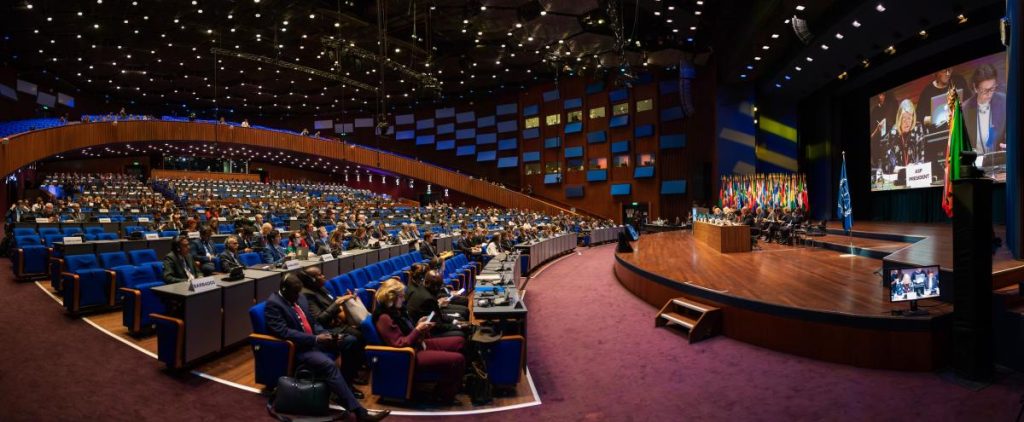

Statement by the Presidency of the Assembly of States Parties on Withdrawals from the Rome Statute
Introduction
The recent withdrawals from the Rome Statute by Burkina Faso, Mali, and Niger have garnered significant attention in international law and human rights circles. The Assembly of States Parties (ASP) to the International Criminal Court (ICC) expressed its concerns regarding these actions. This statement reflects a collective stance on the implications and consequences of these withdrawals for the integrity of international justice and the protection of victims’ rights.
Background on the Rome Statute
The Rome Statute, adopted in 1998, is a treaty that established the ICC, tasked with prosecuting individuals for crimes such as genocide, war crimes, and crimes against humanity. The statute is a cornerstone of international criminal law, providing a framework for accountability and justice. As of 2023, numerous countries have ratified the treaty, underpinning a global commitment to uphold human rights and ensure that perpetrators of heinous acts face justice.
Concerns Raised by the Withdrawals
Erosion of International Accountability
The withdrawals by Burkina Faso, Mali, and Niger raise alarms regarding the erosion of international accountability. These countries have cited various reasons for their decisions, including perceptions of bias and frustrations with the ICC’s operations. However, such withdrawals may signal a dangerous precedent wherein nations abandon obligations to peaceful dispute resolution and accountability mechanisms that international law seeks to promote.
Detrimental Impact on Victims
One of the most significant concerns surrounding these withdrawals is the potential detrimental impact on victims of crimes under international law. The ICC was designed to protect the rights of victims and provide them a platform for justice. By withdrawing from the Rome Statute, these nations jeopardize the prospects for victims seeking justice for atrocities committed within their borders. The ASP underscores that ensuring justice for victims is paramount in any functioning legal system.
Repercussions for Regional Stability
Strengthening Impunity
The departures from the Rome Statute might inadvertently embolden actors committing atrocities. By severing ties with the ICC, these nations risk promoting a sense of impunity among potential offenders. This environment could lead to a surge in violence and human rights violations, contributing to destabilization in the region. The ASP emphasizes that maintaining international legal frameworks is essential for preventing atrocities and protecting civilians.
Impact on Cooperation and Development
The international community’s response to such withdrawals can have far-reaching implications regarding cooperation and development aid. Countries withdrawing from the Rome Statute may face diplomatic isolation or diminished support from international institutions that prioritize human rights and democratic governance. The ASP advocates for continued engagement to address grievances while upholding the fundamental principles of justice.
The Role of the Assembly of States Parties
Advocacy for Dialogue
The ASP calls for constructive dialogue among members of the international community, including the states involved in the withdrawals. It is crucial to address the underlying concerns driving these nations away from the Rome Statute. The ASP advocates for transparency, open communication channels, and efforts to reinforce the ICC’s impartiality and effectiveness.
Champions of Justice
As custodians of the Rome Statute, the Assembly of States Parties must reaffirm its commitment to uphold the principles of justice, accountability, and victims’ rights. The ASP exists to promote collaboration among member states, foster dialogue, and actively address concerns to prevent further withdrawals. Engaging member states in discussions about the Rome Statute can help mitigate tensions and reintegrate nations back into the international legal system.
The Way Forward
Restoring Trust in International Institutions
To combat the wave of withdrawals, the ASP must take proactive measures to rebuild trust. This involves addressing perceptions of bias, enhancing the ICC’s operations, and ensuring fair treatment for all states. Strengthening the credibility of the ICC requires iterative reforms, transparent processes, and participatory governance.
Engaging Civil Society
The ASP should work closely with civil society organizations to amplify the voices of victims and advocate for justice. Civil society plays a crucial role in holding governments accountable, raising awareness about human rights issues, and pushing for reforms that ensure the protection of victims’ rights.
Promoting Educational Initiatives
Educational initiatives aimed at raising awareness about the Rome Statute and the ICC’s objectives can foster a better understanding of international criminal law. Efforts to educate citizens, government officials, and military personnel about their responsibilities under international law can contribute to a culture of accountability and respect for human rights.
Leveraging Regional Mechanisms
Regional organizations can play a vital role in fostering dialogue and cooperation among member states. The ASP should leverage existing regional frameworks to create forums for discussion and conflict resolution. Encouraging collective responsibility for human rights among regional partners can help mitigate the risks associated with individual withdrawals.
Conclusion
The recent withdrawals from the Rome Statute by Burkina Faso, Mali, and Niger raise pressing concerns regarding the future of international justice and accountability. The Assembly of States Parties must take decisive actions to address the underlying issues prompting these withdrawals while reaffirming its commitment to protecting victims’ rights and promoting human dignity. By fostering dialogue, reforming international institutions, and engaging civil society, the ASP can work towards a future where justice prevails, and the principles of the Rome Statute are upheld. Ensuring that all nations understand their obligations under international law is crucial in maintaining a robust global framework for justice and promoting a culture of accountability worldwide.
Call to Action
As global citizens, it is our responsibility to advocate for justice and accountability. Engaging in discourse, raising awareness, and supporting victims’ rights are imperative to upholding international law. Let’s collectively work towards a world where atrocities are condemned, and justice prevails, ensuring that the principles of the Rome Statute continue to guide our path forward.
For more details and the full reference, visit the source link below:
Read the complete article here: https://www.icc-cpi.int/node/238225