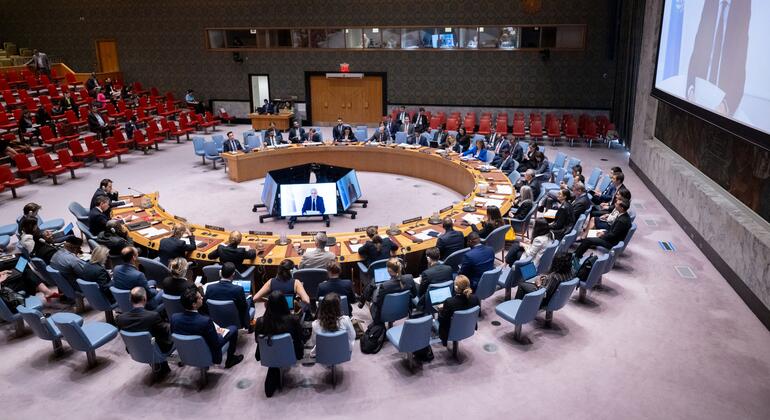

LIVE: Security Council Meets on Syria Transition and Humanitarian Crisis
Introduction
The Syrian conflict, which erupted in 2011, has since morphed into one of the most complex humanitarian crises in recent history. This ongoing strife has prompted international discussions, most notably within the United Nations Security Council (UNSC), where members convene regularly to address pressing concerns surrounding Syria’s transition and humanitarian needs. This article will explore the recent Security Council meeting focused on these critical issues, shedding light on the implications of the discussions and their global significance.
Background of the Syrian Crisis
The Syrian conflict began with peaceful protests against President Bashar al-Assad’s regime, quickly escalating into a multi-faceted civil war. The toll has been staggering, with over 500,000 lives lost and millions displaced both internally and as refugees across the globe. This complex war involves numerous factions, including government forces, rebel groups, and extremist organizations, complicating any transition toward peace and stability.
Humanitarian Crisis in Syria
As the conflict persists, the humanitarian situation worsens. According to UN reports, around 14 million people in Syria need humanitarian assistance, with over 5 million people living in extreme poverty. The destruction of infrastructure, including hospitals and schools, has rendered many basic services inaccessible. Aid organizations face significant challenges in delivering much-needed assistance, further exacerbating the crisis.
The Role of the UN Security Council
The United Nations Security Council plays a pivotal role in addressing global conflicts, including the Syrian crisis. The Council consists of 15 member states, with five permanent members holding veto power. Discussions often revolve around sanctions, peacekeeping missions, and resolutions aimed at mitigating violence and fostering dialogue among conflicting parties.
Recent UNSC Meeting: Key Topics Discussed
In the latest meeting focused on Syria, several key topics were addressed:
-
Transitional Governance: The discussion underscored the pressing need for a credible transitional governance framework that includes all Syrian factions. Many members emphasized the importance of inclusivity to ensure lasting peace.
-
Humanitarian Aid Access: The meeting highlighted the obligation of all parties to allow humanitarian organizations unimpeded access to all areas in need. The Council discussed the necessity of renewing cross-border aid mechanisms that are crucial for millions of Syrians awaiting assistance.
-
Ceasefire Agreement: Participants reiterated calls for a sustainable ceasefire and expressed concern over ongoing military operations, especially in Idlib province, where civilians are vulnerable to violence.
-
International Cooperation: Many delegates pointed out the importance of collaboration among international players to address this crisis, urging nations to set aside geopolitical rivalries in favor of humanitarian needs.
Implications of the Security Council Meeting
The resolutions and discussions stemming from the UNSC meeting hold significant implications for the future of Syria.
Potential for Peaceful Transition
A clear commitment to a transitional governance framework could set the stage for negotiations among conflicting factions. Such a development may encourage dialogue and reduce hostilities, ideally leading to a more stable Syria.
Enhanced Humanitarian Access
Assurances regarding humanitarian aid access are crucial. If agreed upon and implemented, these measures could alleviate the suffering of millions. Societies that receive robust support typically experience a more rapid recovery and potential for reform.
Geopolitical Dynamics
The ongoing discussions within the UNSC also influence the geopolitical landscape surrounding Syria. The involvement of major powers, such as the U.S., Russia, and regional actors, complicates the path to peace. If these countries can cooperate, it may open avenues for lasting solutions.
Challenges Ahead
Despite the hopeful tone of the UNSC meeting, numerous challenges loom large over the discussions.
Fragmentation of Opposition Groups
The multitude of opposition factions represents a significant hurdle to unity. Different agendas, ideologies, and external influences can lead to further fragmentation, complicating any attempts at forging a cohesive front.
Resistance to Change
The Syrian government has shown reluctance to embrace reforms or share power, thinking it could undermine their position. This attitude creates significant barriers to effective governance and adherence to international agreements.
Humanitarian Blockades
Even with favorable outcomes from the UNSC meeting, local blockades may prevent aid from reaching those in need. Continued hostilities and military activities can disrupt carefully planned humanitarian missions.
The Role of NGOs and Civil Society
Non-governmental organizations (NGOs) and civil society play a crucial role in addressing the humanitarian crisis in Syria. These entities often work on the ground, delivering critical assistance and advocating for the rights of the displaced. Their voices need amplification in international discussions, as they offer invaluable insights into the needs and realities faced by ordinary Syrians.
Conclusion
The latest Security Council meeting on Syria’s transition and humanitarian crisis signifies a hopeful yet crucial step towards resolution. The Council’s deliberations underscore the need for collaborative efforts in achieving a sustainable resolution to the decade-long strife.
While challenges abound, the commitment shown by various member states toward inclusivity, humanitarian access, and transitional governance is encouraging. As the international community continues to engage with the Syrian crisis, the eyes of the world remain firmly fixed on the region, hoping for an end to suffering and a path toward peace.
For individuals interested in supporting this cause, staying informed and advocating for humanitarian aid can help make a difference. A united global effort can pave the way for a brighter future for Syria and its people.
For more details and the full reference, visit the source link below:
Read the complete article here: https://news.un.org/feed/view/en/story/2026/05/1167518