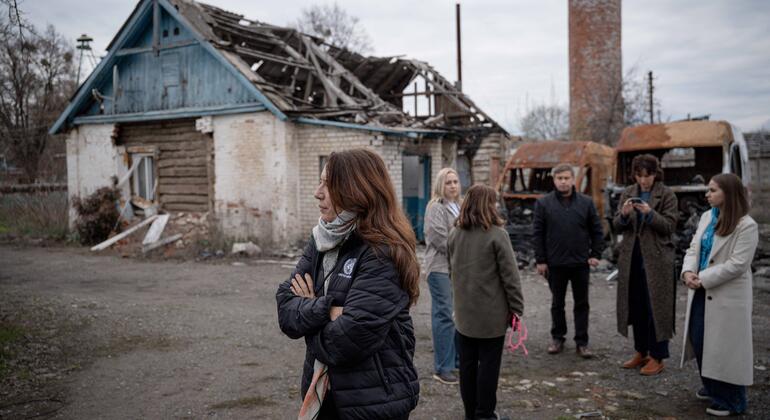

Growing Up with Sirens: The Toll of the Ukraine-Russia War – Insights from the UN Child Rights Envoy
Introduction
The ongoing conflict between Ukraine and Russia has profoundly affected the lives of countless children. As sirens wail and bombs drop, a generation grows up amidst chaos and uncertainty. The UN Child Rights Envoy has shed light on the severe impact of this war on children, emphasizing the psychological and emotional toll, the disruption of education, and the deterioration of basic human rights. This article explores these issues, aiming to bring awareness and foster a global response to the crisis affecting children in Ukraine.
The Sound of Sirens: A New Normal
Everyday Fear
For children in Ukraine, the sound of sirens has become a terrifying part of their daily routine. Instead of the carefree laughter and play typical of childhood, the looming threat of air raids creates an atmosphere of fear. Each wail signifies not just alarm, but potential danger—instilling in children a sense of insecurity that no child should endure.
Psychological Effects
The psychological toll on children living under constant threat cannot be overstated. According to the UN Child Rights Envoy, many children experience anxiety, depression, and post-traumatic stress disorder (PTSD). The mental scars left by witnessing violence, destruction, and loss can last a lifetime, affecting their development into healthy adults. Addressing these mental health challenges is crucial for the well-being of children affected by the war.
Disruption of Education
Schools Under Siege
The war in Ukraine has resulted in the destruction of educational infrastructure. Many schools have been targeted, destroyed, or repurposed as shelters. The UN reports that millions of children have been forced out of school, resulting in lost academic opportunities and the disruption of their learning process. Education is the cornerstone of childhood, and the inability to access it can have dire consequences.
The Shift to Remote Learning
In an effort to continue education, many schools have turned to remote learning. However, this transition has not been smooth. Children in war-torn areas often lack access to reliable internet and necessary technology, further widening the gap in educational attainment. The inequity in educational access underscores the need for international support to ensure that every child has a chance to learn, even in times of crisis.
Human Rights Violations
Children as Victims of War
The consequences of the Ukraine-Russia war extend beyond education and mental health. Children are often caught in the crossfire, becoming victims of violence, exploitation, and human trafficking. Vulnerable children are at increased risk of recruitment by armed groups, sexual violence, and other forms of exploitation. These human rights violations highlight the urgent need for protective measures to safeguard children in conflict zones.
Advocacy for Child Rights
The UN Child Rights Envoy calls for a global response to address these issues. Advocating for the protection of children’s rights in times of conflict is essential. Legally binding frameworks exist, but timely implementation and accountability are necessary to ensure they are upheld. The international community must unite to promote the safety and well-being of children affected by war.
International Response and Support
Humanitarian Aid
In response to the crisis, humanitarian organizations have mobilized to provide essential services such as healthcare, nutrition, and education to children in Ukraine. The international community must also raise awareness and mobilize resources to ensure these efforts continue and expand. As children are the most vulnerable in times of conflict, targeted initiatives focusing on their needs are crucial.
Psychological Support Services
Addressing the psychological impact of war on children is essential. Initiatives offering counseling, trauma-informed care, and mental health support can help children process their experiences and rebuild their lives. Such services should be prioritized alongside educational and basic needs to promote holistic well-being.
Rebuilding a Future
The Role of Education in Recovery
Education plays a crucial role in helping children rebuild their lives after conflict. It offers not only a sense of normalcy but also essential skills for the future. Programs that provide alternative education solutions and vocational training can equip children with the tools they need to thrive post-war. The UN Child Rights Envoy emphasizes the importance of investing in education as a long-term strategy for recovery and rebuilding.
Fostering Resilience
Creating environments that foster resilience among children is vital. This includes not only formal education but also community support programs that promote social connections and healthy emotional development. Initiatives such as sports, arts, and recreational activities can help children cope with the fallout of war and foster a sense of community.
Conclusion
Growing up with sirens is a reality for many children in Ukraine, and the impact of this ongoing conflict cannot be understated. The insights from the UN Child Rights Envoy highlight the urgent need for comprehensive responses to protect children’s rights and well-being. By advocating for their needs, offering humanitarian support, and promoting education and mental health services, we can help build a better future for the children affected by this war. As a global community, we must unite to ensure that no child grows up with the sound of sirens as their backdrop but instead has the opportunity to thrive and flourish in a peaceful environment.
Call to Action
As we reflect on the toll of the Ukraine-Russia war on children, it is crucial to take action. Support organizations working on the ground, raise awareness of children’s rights in conflict zones, and advocate for policies that protect the most vulnerable members of society. Together, we can make a difference in the lives of children enduring the hardships of war.
For more details and the full reference, visit the source link below:
Read the complete article here: https://news.un.org/feed/view/en/story/2026/06/1167641