
Sudan Hunger Crisis Deepens: UN Warns Millions Face Acute Food Shortages
Introduction
The humanitarian situation in Sudan has reached alarming levels as the hunger crisis deepens, prompting urgent warnings from the United Nations (UN). Millions of people are now facing acute food shortages, exacerbated by ongoing conflicts, economic instability, and climate-related adversities. This article delves into the causes, impacts, and potential solutions to the hunger crisis in Sudan, aiming to raise awareness and foster international support.
Understanding the Crisis
Overview of Food Insecurity in Sudan
Sudan has long been plagued by food insecurity, but recent developments have escalated the situation. According to the UN, approximately 18 million people in Sudan are currently facing acute food shortages. Various factors contribute to this growing crisis, including armed conflicts, inflation, and poor agricultural yields.
Key Statistics
- 18 million people facing acute food shortages
- Over 2 million children malnourished
- Food prices have increased by 300% compared to the previous year
These statistics reveal just how severe the hunger crisis has become, painting a dire picture of the humanitarian landscape in Sudan.
Causes of the Hunger Crisis
Armed Conflict
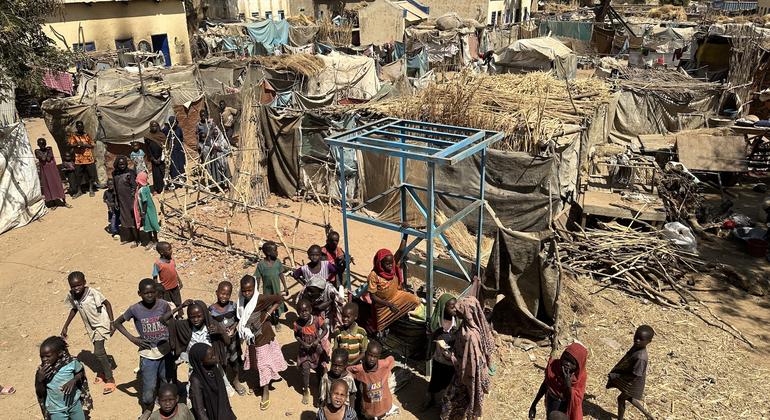
Ongoing conflicts, particularly in regions like Darfur and South Kordofan, have led to the displacement of millions. Displaced populations often lose their access to agricultural land and livelihoods, further contributing to food insecurity.
Economic Instability
Sudan’s economy is undergoing tumultuous changes, with hyperinflation making basic necessities unaffordable for many citizens. The situation has been exacerbated by the withdrawal of international aid and the economic fallout from global crises.
Climate Change
Sudan is not immune to the effects of climate change, which has disrupted agricultural cycles and led to poor crop yields. Erratic rainfall patterns and droughts have further diminished food production capabilities, contributing to the worsening hunger crisis.
The Impact of the Crisis
Health Consequences
The ramifications of food shortages are severe, especially for vulnerable populations. Malnutrition is rampant, particularly among children, pregnant women, and the elderly. Lack of access to nutritious food can lead to stunted growth, weakened immune systems, and increased mortality rates.
Social Disintegration
The hunger crisis has caused social fragmentation, with families torn apart as individuals migrate in search of food and resources. Communities that once thrived are now struggling to survive, leading to increased tension and conflict over dwindling resources.
Economic Implications
The food crisis also has broader economic implications. Industries that rely on agricultural products face significant constraints, leading to job losses and reduced income for families. The cycle of poverty continues, making it difficult for affected populations to recover.
UN Response and International Aid
Emergency Assistance Initiatives
In response to the acute hunger crisis, the UN and various humanitarian organizations have initiated emergency relief efforts. This includes food distributions, healthcare services, and nutritional support for the most vulnerable populations.
Funding Challenges
Despite the urgent need for assistance, funding remains a significant challenge. Humanitarian organizations are struggling to secure adequate resources to meet the increasing demands. The UN has called for $1.5 billion in funding to address the crisis, but only a fraction has been met.
Call for Global Support
The UN has emphasized the need for collective action. Governments, NGOs, and private sector stakeholders are urged to contribute to humanitarian efforts, ensuring that food and resources reach those in need. International awareness and pressure can help influence policy changes that support peace and stability in Sudan.
Solutions and Pathways Forward
Long-term Agricultural Development
Investing in sustainable agricultural practices is crucial for tackling food insecurity in Sudan. This includes providing farmers with training, resources, and technology to increase crop yields and adapt to climate-related changes.
Conflict Resolution
Ending conflicts is vital for restoring stability in affected regions. Engaging in dialogue and promoting peace-building initiatives can facilitate better living conditions, allowing displaced populations to return to their lands and rebuild their lives.
Strengthening Social Safety Nets
Implementing robust social safety nets can help vulnerable populations cope with food shortages. Programs that provide financial assistance, food vouchers, or access to healthcare can significantly alleviate the immediate impacts of hunger.
Raising Awareness: How You Can Help
Spread the Word
The first step in addressing the hunger crisis in Sudan is raising awareness. Sharing information through social media, community events, or discussions can help mobilize support for humanitarian efforts.
Support Humanitarian Organizations
Donating to reputable organizations that are actively working in Sudan can make a tangible difference. Financial contributions can help provide food, healthcare, and resources to those in need.
Advocate for Policy Changes
Engaging with policymakers and advocating for international aid can also contribute to lasting change. Encouraging governments to prioritize humanitarian assistance can ensure that vital resources are allocated to those most affected by the crisis.
Conclusion
The hunger crisis in Sudan continues to escalate, with millions facing acute food shortages amid a backdrop of conflict and economic instability. This humanitarian catastrophe demands immediate attention and action from the international community. By understanding the causes and impacts of the crisis, we can work together to implement lasting solutions. Your voice, your awareness, and your support can make a significant difference in the lives of millions suffering from hunger in Sudan. Together, we can strive for a future where every individual has access to food, dignity, and hope.
For more details and the full reference, visit the source link below:
Read the complete article here: https://news.un.org/feed/view/en/story/2026/05/1167528