
Record Number of Rohingya Refugees Die at Sea in 2025: A UNHCR Report
Introduction
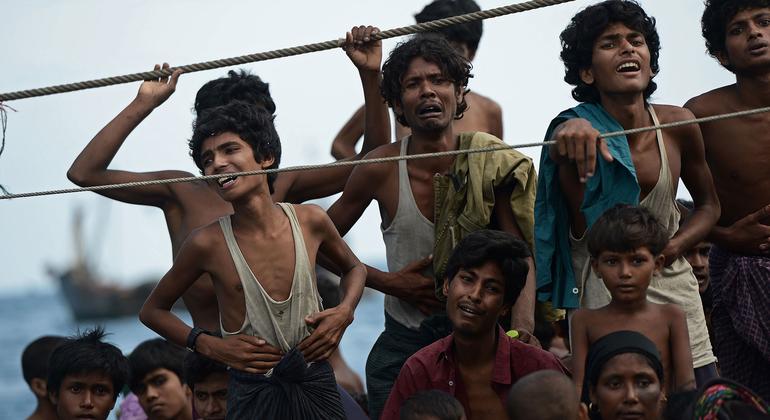
The plight of Rohingya refugees has reached a critical juncture in 2025, with a record number of individuals tragically perishing at sea. The United Nations High Commissioner for Refugees (UNHCR) has reported alarming statistics and narratives that highlight the dangerous journey these refugees undertake. This article delves into the causes, implications, and humanitarian responses surrounding this crisis.
The Rohingya Crisis: A Brief Overview
The Rohingya, a Muslim minority group from Myanmar, have faced decades of persecution and violence. In 2017, a mass exodus occurred, leading to an estimated 700,000 refugees fleeing to neighboring Bangladesh and other countries. Despite international scrutiny, the situation remains unresolved, and many Rohingya continue to risk their lives in search of safety.
Factors Driving Rohingya to Risk Their Lives at Sea
1. Persecution in Myanmar
The root cause of the Rohingya refugee crisis lies in systemic discrimination, violence, and persecution in Myanmar. With limited access to basic rights, the Rohingya community is left with few options but to seek asylum elsewhere, often leading them to perilous sea routes.
2. Economic Hardship in Refugee Camps
Life in refugee camps, particularly in Bangladesh, is fraught with economic despair. Limited job opportunities, inadequate healthcare, and lack of education compel many Rohingya to undertake dangerous sea voyages in hopes of a better future.
3. Smuggling Networks
Criminal smuggling networks prey on the desperation of Rohingya refugees. These networks facilitate dangerous boat journeys that often end in tragedy, with inadequate vessels and insufficient provisions leading to loss of life at sea.
2025: A Record Year of Tragedy
Statistical Overview
According to the UNHCR, early reports from 2025 indicate that approximately 1,200 Rohingya have died while attempting to reach safety via sea. This figure represents a worrying increase from previous years, highlighting the escalating risks faced by refugees.
Key Incidents
In one of the most tragic events, a boat carrying over 100 Rohingya capsized off the coast of Thailand. Only a handful of survivors were rescued, bringing international attention to the dire state of these individuals. Such incidents are not isolated, and the frequency of these tragedies underscores the urgency of international intervention.
The Humanitarian Response: What is Being Done?
1. Continued Advocacy by UNHCR
The UNHCR continues to advocate for the Rohingya, urging nations to provide safe passage and protection. They emphasize the importance of addressing the root causes of the crisis in Myanmar to make significant progress.
2. International Community Involvement
The international community must increase efforts to address this crisis. Countries that host large populations of Rohingya refugees need support, and nations of safe haven must be engaged to accept more refugees.
3. Strengthening Legal Frameworks
Protecting the rights of Rohingya refugees requires strengthened commitments from governments and international bodies to uphold international law. Recognizing their need for asylum and safeguarding their rights is crucial.
Challenges in Addressing the Crisis
1. Misinformation and Prejudice
Misinformation about the Rohingya exacerbates host countries’ reluctance to accept them. Combating prejudice through public awareness initiatives is essential for fostering acceptance and support for the Rohingya community.
2. Limited Resources
Host countries often struggle with limited resources to support an influx of refugees. Coordinated international assistance can help alleviate this burden and provide essential services to vulnerable populations.
What Can Individuals Do?
1. Raise Awareness
Awareness is the first step towards societal change. Sharing information about the Rohingya crisis on social media, participating in discussions, and supporting organizations dedicated to refugee assistance can help bring this issue into the spotlight.
2. Support Humanitarian Organizations
Donating to organizations working on the ground to assist Rohingya refugees can make a significant impact. Many NGOs are dedicated to providing food, shelter, and healthcare to affected individuals.
3. Engage with Policymakers
Public pressure on policymakers can lead to real change. Contacting representatives to advocate for refugee rights and increased support for Rohingya refugees can influence decision-making at higher levels.
Conclusion
The record number of Rohingya refugees dying at sea in 2025 serves as a stark reminder of the ongoing humanitarian crisis facing this marginalized community. The international community must rally together to address the root causes of their plight, ensure safe passage for refugees, and provide the necessary support systems to help rebuild lives. Only through collective efforts can we hope to prevent further tragedies and affirm the human rights of all, regardless of their origin.
SEO Optimization
To enhance the SEO value of this article, it is crucial to strategically utilize keywords throughout the content. Key phrases such as “Rohingya refugees 2025,” “UNHCR report Rohingya,” “refugee crisis,” and “Rohingya deaths at sea” should appear in headers and throughout the text while maintaining readability and coherence.
By optimizing headings and utilizing internal and external links to reputable sources, this article can effectively reach a wider audience concerned with humanitarian crises and refugee rights.
For more details and the full reference, visit the source link below:
Read the complete article here: https://news.un.org/feed/view/en/story/2026/04/1167320