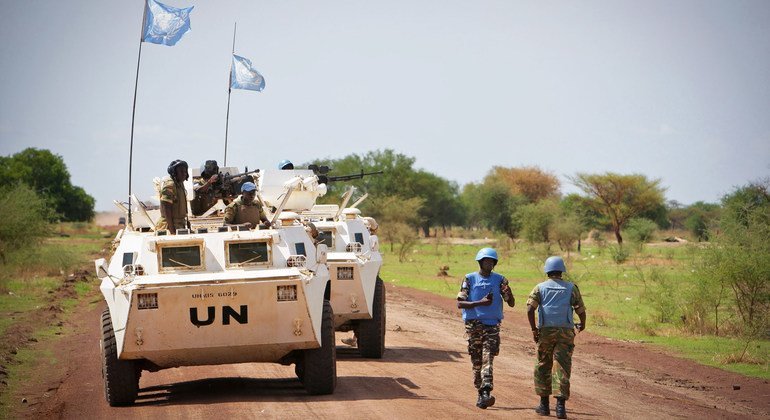

UN Peacekeeping Missions Under Strain: The Impact of Funding Cuts and Emerging Threats
Introduction
United Nations (UN) peacekeeping missions are vital tools for maintaining international peace and security. However, in recent years, these missions have faced unprecedented challenges, exacerbated by funding cuts and evolving global threats. The integral role of UN peacekeepers in crisis regions underscores the urgency of addressing these strains to ensure global stability.
The Vital Role of UN Peacekeeping Missions
UN peacekeeping missions are deployed in conflict zones to help maintain peace and security. Their responsibilities range from monitoring ceasefires to assisting in the establishment of governance structures. The success of these missions is often fundamental to rebuilding war-torn societies and preventing future conflicts.
A Historical Overview
Since the first peacekeeping mission in 1948, the UN has deployed over 70 operations globally. Missions have evolved from traditional peacekeeping (interposing between conflicting parties) to multidimensional operations that encompass peacebuilding and humanitarian assistance. This shift reflects the complexities of modern conflicts, which often involve multiple actors and require a nuanced approach.
The Financial Challenge: Funding Cuts
Declining Budgets
In recent years, the UN has faced significant budgetary constraints, leading to cuts in peacekeeping funding. The 2022-2023 budget for peacekeeping operations was approximately $6.4 billion, a decrease compared to previous years. This decline has serious implications for mission effectiveness.
Impacts on Missions
Funding cuts adversely affect various aspects of peacekeeping operations, including troop deployment, equipment, and logistical support. These limitations compromise the safety of peacekeepers and hinder their ability to fulfill mandates. For instance, the reduction in resources can lead to inadequate protection for civilians in conflict zones.
Emerging Threats: Complex Security Environment
Terrorism and Extremist Groups
One of the most pressing challenges facing UN peacekeeping missions today is the rise of terrorism and extremist groups. These actors exploit the power vacuums created by conflicts, leading to escalated violence and the potential for spillover into neighboring regions. Peacekeepers often find themselves confronting well-armed and organized factions, which can compromise operational safety and effectiveness.
Climate Change and Resource Scarcity
Another emerging threat is the impact of climate change, which exacerbates resource scarcity and can intensify conflicts. Issues such as droughts, floods, and food insecurity lead to increased tension among communities. UN peacekeeping missions must adapt to these changing dynamics, requiring additional resources and strategic planning.
The Human Cost: Pressure on Peacekeepers
Risks to Personnel
Reduced funding and heightened threats place immense pressure on peacekeeping personnel. With limited resources, peacekeepers face increased risks in hostile environments. High-profile incidents of attacks on peacekeeper convoys underscore the dangers they encounter daily.
Mental Health Challenges
The psychological toll on peacekeeping troops should not be overlooked. Exposure to violence, trauma, and the challenges of operating in unstable environments can contribute to mental health issues. Enhanced training and support systems are needed to address the well-being of personnel.
Case Studies: Current Challenges Facing Missions
MINUSMA in Mali
The United Nations Multidimensional Integrated Stabilization Mission in Mali (MINUSMA) has faced severe challenges in recent years. Due to funding cuts and the escalating threat of terrorism in the Sahel region, the mission has struggled to maintain stability. Attacks on peacekeepers have increased, prompting calls for enhanced security measures and additional support.
MONUSCO in the Democratic Republic of Congo (DRC)
The UN Organization Stabilization Mission in the Democratic Republic of Congo (MONUSCO) operates in a complex environment marked by armed groups and political instability. Funding shortages have led to criticisms regarding the mission’s effectiveness in protecting civilians and civilians’ access to humanitarian assistance.
The Need for Sustainable Solutions
Reassessing Funding Priorities
To address the issues plaguing UN peacekeeping missions, a reassessment of funding priorities is crucial. Member states must recognize the importance of investing in peacekeeping operations as a means to prevent the escalation of conflicts that can have global ramifications.
Elevating Diplomatic Efforts
A more proactive diplomatic strategy is essential to mitigate conflicts before they escalate. Strengthening partnerships with regional organizations and promoting dialogue among conflicting parties can create an environment conducive to peace. This preventive approach can reduce reliance on costly peacekeeping interventions.
Leveraging Technology and Innovation
Innovation in technology can play a significant role in enhancing the effectiveness of peacekeeping missions. Implementing advanced surveillance systems and utilizing data analytics can improve situational awareness and operational efficiency. Investing in technology can reduce the risks faced by peacekeepers while enhancing their ability to fulfill their mandates.
Conclusion
The strains facing UN peacekeeping missions are multifaceted, stemming from funding cuts and a rapidly evolving security landscape. To maintain the integrity of these missions, concerted efforts are needed at both international and national levels. By reevaluating funding priorities, fostering diplomacy, and embracing technological advances, the international community can ensure that UN peacekeepers continue to play a critical role in maintaining global peace and security.
SEO Optimization Strategies
Key Phrases to Include
- UN peacekeeping missions
- Funding cuts
- Emerging threats
- Global stability
- Peacekeeping effectiveness
- Crisis regions
Meta Description
Explore the challenges facing UN peacekeeping missions, including funding cuts and emerging threats. Learn how these factors impact global stability and the effectiveness of peacekeeping efforts.
By employing these strategies, the article improves visibility on search engines, allowing a wider audience to engage with the pressing issues surrounding UN peacekeeping missions today.
For more details and the full reference, visit the source link below:
Read the complete article here: https://news.un.org/feed/view/en/story/2026/04/1167312