
MIDDLE EAST LIVE 14 April: Civilians Suffer as Uncertainty and Tensions Persist
The situation in the Middle East continues to be marked by uncertainty and tensions, affecting the lives of countless civilians. As reported on April 14, 2023, various regions across the Middle East remain embroiled in conflicts, humanitarian crises, and political instability. This article delves into the ongoing issues and the impact they have on everyday lives, calling attention to the urgent need for resolutions and support.
Background of Ongoing Conflicts
For decades, the Middle East has faced numerous conflicts, often fueled by political, ethnic, and religious divisions. Wars, uprisings, and international interventions have left a lasting mark on the region. In recent months, the situation has escalated further, with civilian populations bearing the brunt of the consequences. Current hostilities range from long-standing tensions in Syria and Yemen to renewed conflicts in Israel-Palestine.
The Humanitarian Crisis in Syria
In Syria, over a decade of civil war has resulted in massive displacement and a humanitarian crisis that continues to deepen. According to the United Nations, more than 14 million Syrians are in urgent need of assistance. As violence persists, many civilians lack access to basic necessities such as food, clean water, and healthcare. Aid organizations struggle to operate amidst ongoing hostilities, leading to a critical situation for those trapped in conflict zones.
Yemen: A Forgotten War
Yemen stands as one of the world’s worst humanitarian crises. The conflict, which began in 2014, has led to widespread famine, disease, and displacement. More than 24 million people, representing about 80% of the population, require humanitarian assistance. The blockade imposed by warring factions has exacerbated the suffering, leaving many civilians vulnerable and without support. As of April 14, the situation remains dire, with ongoing airstrikes and clashes further complicating relief efforts.
Israel-Palestine: Renewed Tensions
The Israel-Palestine conflict has seen a resurgence of violence in recent weeks. Escalations often lead to tragic loss of life, particularly among young civilians. The tensions surrounding significant religious sites, particularly in Jerusalem, have sparked protests and confrontations. The international community watches closely as both sides call for increased security measures, yet the prospect of peace seems further away.
Impact on Civilians
Displacement and Refugees
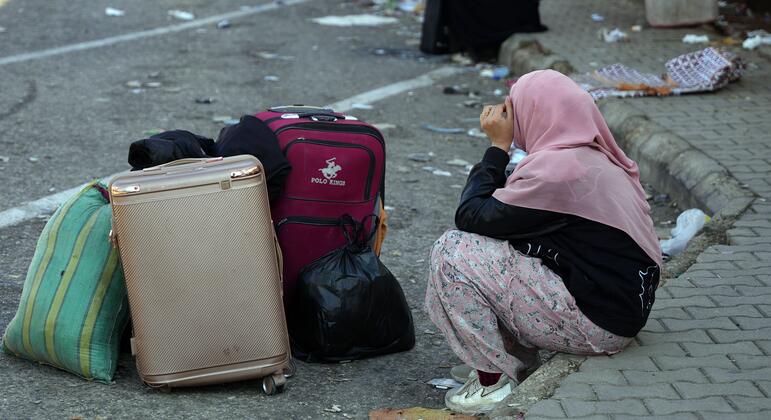
Displacement remains a critical issue in the Middle East. Millions of people have been forced to flee their homes in search of safety, often becoming refugees in neighboring countries or facing dire conditions in overcrowded camps. These displaced populations often suffer from inadequate living conditions, limited access to education, and a loss of livelihood opportunities.
Psychological Toll
The psychological impact of ongoing conflict on civilians cannot be overstated. Increased rates of anxiety, depression, and PTSD are common among people exposed to violence. Children, in particular, are at risk of long-term developmental issues due to the trauma they experience during times of conflict. Organizations working on mental health interventions in these regions report a growing need for resources and support.
Economic Hardships
Economic instability further compounds the suffering of civilians. In conflict zones like Syria and Yemen, currencies have devalued sharply, leading to skyrocketing prices for basic goods. This economic downturn leaves many families struggling to meet daily needs, which can lead to increased malnutrition and economic despair.
Humanitarian Efforts and Challenges
The Role of International Organizations
International organizations, including the UN, Red Cross, and various NGOs, have been pivotal in providing assistance and support to civilian populations. Evacuation plans, food aid, and medical assistance are critical components of their efforts. However, ongoing violence and political complexities pose significant challenges, often hindering aid delivery.
The Importance of Funding
Funding for humanitarian efforts in the Middle East is essential. Many organizations rely on donations and grants to sustain their operations, yet financial constraints limit their capacity to provide necessary services. Increased awareness and advocacy for humanitarian assistance can lead to more resources for those in need, allowing for more comprehensive support for civilian populations.
Calls for Solidarity and Action
Mobilizing the Global Community
As the situation continues to develop, there is a pressing need for the global community to mobilize in support of civilians suffering in conflict zones. Awareness campaigns, fundraising events, and more can collectively lead to a significant impact. Engaging schools, community organizations, and individuals can create a ripple effect of support.
Promoting Peace and Dialogue
Promoting peace through dialogue is paramount to alleviating tensions in the Middle East. Encouraging diplomatic solutions that address the underlying issues can pave the way for enduring peace. Community-driven initiatives that promote understanding and cooperation are essential in creating a foundation for lasting change.
Supporting Refugees and Displaced Populations
Local and international initiatives aimed at supporting refugees and displaced populations provide vital relief. Efforts such as hosting families, volunteering, and advocacy work contribute to the broader goal of humanitarian support.
Conclusion
As observed on April 14, 2023, the civilians of the Middle East are caught in a web of ongoing conflicts and humanitarian crises. The uncertainty and tension in the region continue to impact their lives in multifaceted ways, from displacement to physical and mental health challenges. Despite the prevalent struggles, international solidarity, ongoing humanitarian efforts, and advocacy for peaceful solutions are essential in offering hope for a better future. The world cannot turn a blind eye; it is time for action. Together, we can work towards alleviating the burdens faced by civilians in the Middle East.
For more details and the full reference, visit the source link below:
Read the complete article here: https://news.un.org/feed/view/en/story/2026/04/1167294