
Middle East Live: UN Scales Up Aid as Crisis Deepens into Third Week
Introduction
The Middle East continues to grapple with escalating tensions and humanitarian crises as we enter the third week of intensified conflicts. As the situation worsens, the United Nations (UN) has announced a significant scaling up of aid to support affected populations. This article explores the latest developments, key challenges, and the UN’s response in an increasingly dire context.
Current Situation Overview
As of March 16, the Middle East remains embroiled in turmoil, exacerbated by ongoing conflicts in regions such as Syria and Yemen, among others. Humanitarian needs are growing exponentially, with millions in dire need of assistance. According to recent reports, over 20 million people are affected in Yemen alone, while in Syria, the number of internally displaced people has skyrocketed due to the compounded effects of conflict and natural disasters.
Humanitarian Crisis Statistics
- Yemen: Over 24 million people require humanitarian aid, and nearly 10 million face starvation.
- Syria: Approximately 14.6 million people need urgent assistance, with over 6 million displaced within the country.
- Refugees: Over 5 million Syrian refugees are registered in neighboring countries, suffering from inadequate living conditions.
These statistics underscore the immense scale of suffering across the region.
UN Humanitarian Response
Increased Humanitarian Efforts
In response to the deepening humanitarian crisis, the United Nations has announced an urgent scale-up of its aid operations. The UN Office for the Coordination of Humanitarian Affairs (OCHA) has launched coordinated efforts to deliver food, clean water, medical supplies, and shelter to the most vulnerable populations.
- Food Aid Initiatives: The World Food Programme (WFP) is mobilizing additional resources to distribute food assistances, such as high-nutritional value commodities, to starving families.
- Medical Supplies: Emergency medical supplies are being dispatched to hospitals overwhelmed with casualties and health crises resulting from malnutrition and endemic diseases.
- Psychosocial Support: Mental health support services are being prioritized for those affected by trauma and stress due to ongoing violence.
Funding Appeals
To enhance aid efforts, the UN is calling for increased funding from member states and international organizations. The humanitarian response is grossly underfunded, with the UN requiring at least $10 billion to meet the growing needs across the region.
Key Challenges in Delivering Aid
The complexity of delivering humanitarian aid in the Middle East is compounded by several challenges:
Security Concerns
Security remains a significant barrier to effective aid delivery. Ongoing hostilities, particularly in conflict zones, hinder the transportation of crucial supplies. Humanitarian workers face risks, and there have been reports of attacks on aid convoys, which limit the reach of support.
Bureaucratic Hurdles
In addition to security threats, bureaucratic obstacles often delay the provision of aid. Regulations and restrictions imposed by local governments can complicate the logistics of distributing assistance. Streamlining procedures is critical to ensuring timely aid.
Infrastructure Damage
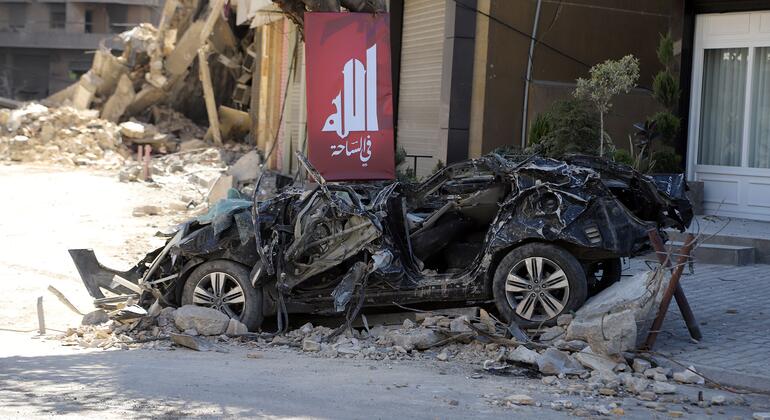
Many areas in the Middle East have seen vital infrastructure decimated due to conflict. Roads, hospitals, and water facilities have been damaged or destroyed, exacerbating the difficulties in delivering aid. Reconstructions and repairs are essential but require substantial investment and coordination.
The Role of International Community
Support from Global Leaders
The UN’s appeal for assistance has resonated with numerous member states, with many pledging immediate aid and resources. Global leaders emphasize the moral imperative to assist those suffering in conflict-affected regions.
NGO Involvement
Non-Governmental Organizations (NGOs) play a crucial role on the ground. Organizations like Médecins Sans Frontières (Doctors Without Borders) and Save the Children provide vital services and aid to communities, and their efforts must be supported and recognized alongside UN campaigns.
Public Awareness and Advocacy
Raising awareness about the ongoing humanitarian crisis is critical in mobilizing global support. Social media campaigns, public service announcements, and community outreach initiatives aim to highlight the plight of those affected.
How to Get Involved
Individuals and communities can contribute by:
- Donating: Financial contributions to reputable organizations can make a significant difference.
- Advocacy: Activism and spreading awareness can pressure governments to provide more support.
- Volunteering: Engaging with local NGOs or humanitarian organizations can help amplify support efforts.
Conclusion
As we navigate into the third week of escalating crises in the Middle East, the urgency for comprehensive humanitarian assistance has never been more critical. The United Nations’ commitment to scaling up aid operations and the collective effort of the international community represents hope amidst despair. It is vital that we remain informed, engaged, and supportive of those fighting for survival in a challenging environment.
Call to Action
Staying updated on the developments in the Middle East and advocating for humanitarian efforts can play a significant role in alleviating the suffering of millions. Together, we can make a difference—support UN initiatives, donate to NGOs, and raise awareness to ensure that no one is left behind in this critical moment in history.
For more details and the full reference, visit the source link below:
Read the complete article here: https://news.un.org/feed/view/en/story/2026/03/1167137