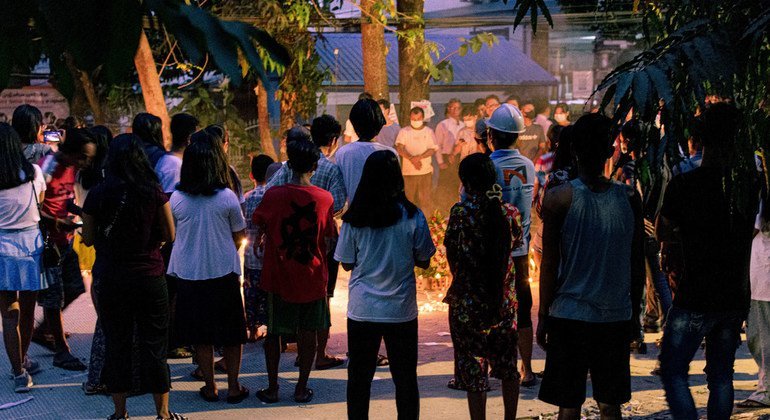

Myanmar at a Crossroads: A Call to Action for Civilians
Myanmar, a nation rich in culture and history, currently stands at a precarious crossroads. The ongoing humanitarian crisis, compounded by political turmoil, calls for immediate global attention. In light of recent developments, a United Nations expert has emphasized the urgent need for the international community not to forsake the civilians enduring unimaginable hardship. This article explores the key issues facing Myanmar, the implications for its population, and the role of the global community in alleviating the suffering of those caught in the turmoil.
The Political Landscape: A Nation in Flux
Since the military coup in February 2021, Myanmar has been embroiled in chaos. The coup overturned a decade-long experiment with democracy, plunging the nation back into a cycle of oppression and violence. Armed conflicts have erupted across various regions, exacerbating an already dire humanitarian situation.
The Humanitarian Crisis
The United Nations estimates that over 14 million people in Myanmar require humanitarian assistance, including food, healthcare, and shelter. Contributing factors include armed conflict, displacements, and a robust economic downturn. The military’s attempts to suppress dissent through violence have led to widespread fear and insecurity in the civilian populace.
Displacement and Refugee Crisis
The internal conflict has resulted in more than 1 million people being displaced from their homes. Many have sought refuge in neighboring countries, including Thailand and India, where they face uncertain futures marked by poverty and lack of access to basic services.
The Role of the UN: Advocating for Civilians
The importance of a strong international response cannot be overstated. The UN expert has reiterated that it is crucial for the global community to prioritize the protection of civilians in Myanmar. This includes:
Providing Humanitarian Aid
International organizations and countries must mobilize resources to provide immediate assistance. Food supplies, medical care, and shelter must be prioritized to alleviate the suffering of those affected. The UN’s Humanitarian Response Plan for Myanmar is a step in the right direction, but it requires adequate funding and commitment from member states.
Advocacy for Human Rights
The UN must continue to advocate for the human rights of the Myanmar population. This entails not only condemning atrocities but providing platforms for the voices of those affected. Efforts must be made to document human rights violations and hold perpetrators accountable.
Diplomatic Engagement
Engagement with key players in the conflict, including ASEAN nations, is paramount. Diplomatic efforts should aim to encourage dialogue among conflicting parties and promote a peaceful resolution. The lack of diplomatic pressure has often exacerbated situations, highlighting the need for a strategy that aligns humanitarian efforts with political solutions.
The Civilian Perspective: Voices From the Ground
Those living through the crisis have seen unimaginable suffering. Stories of families torn apart, communities decimated, and dreams shattered abound. Civil society organizations within Myanmar have risen to meet the challenges head-on, providing support, advocacy, and hope.
Resilience of the Myanmar People
Despite the harrowing circumstances, the tenacity of the Myanmar people shines through. Local initiatives have emerged, focused on community support and resilience. Volunteers risk their safety to deliver food, medical supplies, and critical information, embodying the spirit of hope amidst despair.
The Role of Social Media
Social media platforms have become a crucial tool for advocacy and awareness. Misinformation can spread quickly, but so can calls to action. Grassroots movements continue to gain momentum online, galvanizing support from the international community.
The Global Community’s Responsibility
The situation in Myanmar is not just a regional crisis but a global one, demanding collective action. Countries around the world must recognize their responsibility to act, both morally and legally, to protect the rights of civilians threatened by conflict.
Economic Sanctions and Targeted Measures
While economic sanctions can be a useful tool, they must be carefully applied to avoid exacerbating the humanitarian crisis. Targeted measures against those responsible for human rights violations can pressure military leaders while ensuring that humanitarian aid continues to flow to the populace.
Raising Awareness
Increased global awareness can drive a more potent response to the crisis. Advocacy campaigns, public lectures, and educational resources can galvanize public and political will, advocating for Myanmar’s civilians on a larger scale.
Conclusion: A Call to Action
Myanmar is indeed at a crossroads; a situation that demands urgent action from the international community. The UN expert’s call to not forsake the civilians in Myanmar must echo globally. As advocates for human rights, we cannot turn a blind eye to their suffering. We must work towards collective action that prioritizes humanitarian aid, maintains diplomatic engagement, and champions the voices of the affected population.
As global citizens, it is our responsibility to ensure that the people of Myanmar receive the support and protection they desperately need. The courage and resilience of the Myanmar people represent a beacon of hope amid darkness. We must not fail them.
For more details and the full reference, visit the source link below:
Read the complete article here: https://news.un.org/feed/view/en/story/2026/03/1167132

