
With Middle East ‘Pushed to Breaking Point’, UN Chief Urges Ceasefire and Return to Diplomacy
Introduction
The Middle East has been a region marked by conflict, tension, and geopolitical upheaval for decades. In recent weeks, reports have surfaced indicating that the situation is reaching a critical juncture. Amidst increasing violence and civilian suffering, the United Nations Secretary-General has issued a fervent call for a ceasefire and a return to diplomatic negotiations. This article explores the current state of affairs in the Middle East, the implications of the UN chief’s calls, and the urgent need for a new diplomatic framework.
The Current State of Conflict
Escalation of Violence
In the past few months, escalating confrontations between conflicting factions have led to significant civilian casualties and widespread displacement. The humanitarian situation has deteriorated, with millions facing food insecurity and lack of access to essential services. International attention has turned back to the region as the violence threatens to spiral out of control, impacting not only the immediate countries involved but also the stability of surrounding nations.
Humanitarian Crisis
The humanitarian crisis in the Middle East is alarming. According to the latest reports from various humanitarian organizations, millions are in desperate need of assistance. Key issues include:
- Food Insecurity: With conflict disrupting supply chains, many families are struggling to meet their basic nutritional needs.
- Health Services: Hospitals and medical clinics have been overwhelmed, and vital supplies are running low.
- Displacement: Millions have been forced from their homes, facing uncertain futures in overcrowded refugee camps.
UN Chief’s Call for Ceasefire
The Urgency for Truce
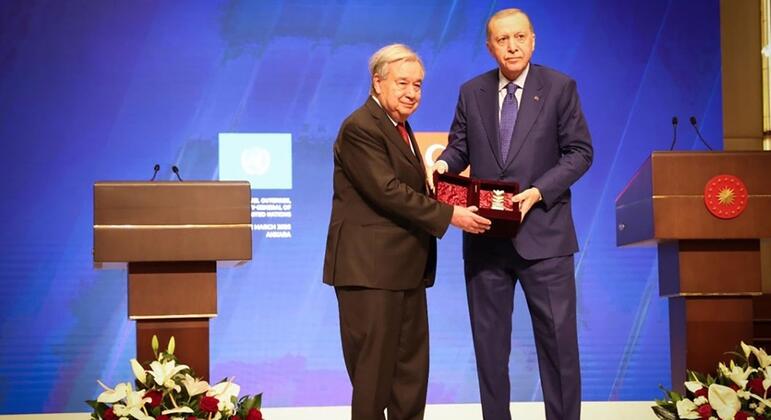
UN Secretary-General António Guterres has emphasized that the escalation of violence can no longer be tolerated. He has highlighted the need for an immediate ceasefire to halt hostilities and to provide much-needed relief for civilians caught in the crossfire. The statement made by Guterres resonates with global sentiments advocating for peace and stability in a region often seen as a barometer for global geopolitical health.
Importance of a Ceasefire
A ceasefire can serve as an essential step in:
- Stopping Civilian Suffering: Immediate relief for civilians is paramount. A ceasefire would allow humanitarian organizations to provide aid without fear of violence.
- Creating a Platform for Dialogue: An environment free from violence enables all parties involved to come together to negotiate a more permanent peace agreement.
The Role of Diplomacy
Historical Context
Diplomatic efforts in the Middle East have often faced obstacles, from deep-seated historical grievances to the lack of trust among negotiating parties. However, Guterres’ call for a return to diplomacy signifies a commitment to exploring avenues for peaceful resolution, reflecting a collective yearning for stability.
Facilitating Dialogue
Returning to diplomacy involves:
- Involving All Stakeholders: For diplomacy to be fruitful, it must include all parties involved in the conflict, including representatives from civil society and marginalized groups.
- International Support: The role of external powers and organizations in supporting peace talks cannot be understated. Coordination among international actors can help steer negotiations in the right direction.
Rebuilding Trust
Importance of Transparency
For meaningful dialogue to take place, trust must be rebuilt between conflicting parties. This can be achieved through:
- Transparency in Communication: Open channels of communication can help foster a more understanding atmosphere among the stakeholders.
- Adherence to Agreements: Any agreements made must be honored to ensure that commitments are taken seriously.
The International Community’s Role
Responsibility of Global Powers
The international community must leverage its influence to mediate peace talks. Major powers have historically played critical roles in shaping outcomes in the region. Their involvement should prioritize:
- Neutral Mediation: Aligning with no specific side and focusing on the humanitarian needs of the population.
- Fostering Inclusivity: Encouraging dialogue among diverse groups, acknowledging the range of voices present within the affected communities.
Humanitarian Assistance
The international community must also take concerted actions to provide humanitarian assistance in the interim while diplomatic solutions are sought. Increased funding and support for humanitarian organizations can alleviate the immediate needs of affected populations and contribute to stabilizing the region.
Conclusion
The commentary from the UN Chief highlighting the critical state of the Middle East and the urgent need for a ceasefire and diplomatic engagement underscores the international community’s responsibility to act. The calls for stopping the violence are not just diplomatic rhetoric; they represent the aspirations of millions seeking safety, dignity, and a hopeful future.
The road to peace will undoubtedly be fraught with challenges, but with concerted efforts to prioritize dialogue and humanitarian relief, there is a pathway toward a more stable and peaceful Middle East. Only through cooperation, transparency, and international solidarity can the lessons of the past inform a brighter future for the region and its people.
Call to Action
It is imperative for concerned citizens and organizations around the world to advocate for peace and humanitarian support in the Middle East. Engaging in discussions, raising awareness, and fundraising for humanitarian projects can collectively create a powerful impact. The time for action is now, as the Middle East stands at a crucial crossroads—where peace is not merely a possibility but a necessity for the well-being of millions.
For more details and the full reference, visit the source link below:
Read the complete article here: https://news.un.org/feed/view/en/story/2026/03/1167124

