
The World is Looking to You for Clarity: Insights from the UN Chief to AI Experts
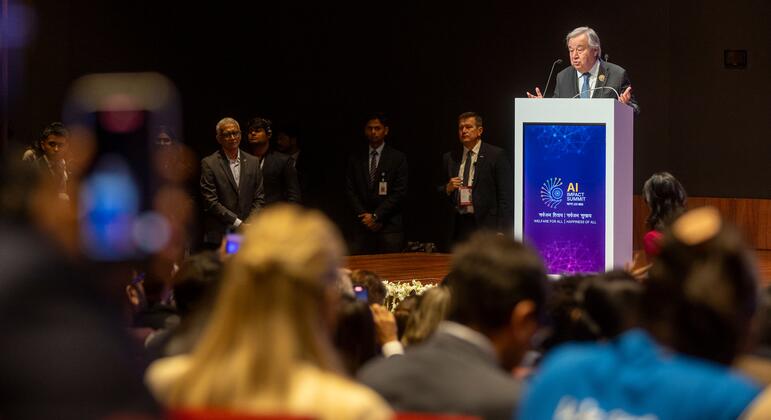
In an era where technology continues to evolve rapidly, artificial intelligence (AI) stands at the forefront of global transformation. The United Nations Chief has recently addressed an assembly of AI experts, emphasizing the crucial role they play in shaping the future. This article delves into this pivotal statement, exploring the implications for AI development, ethical considerations, and the responsibilities of AI professionals.
Understanding the Context: AI’s Rapid Advancement
AI technology is no longer a futuristic concept; it is an integral part of our daily lives. From virtual assistants to autonomous vehicles, AI has permeated various sectors. This rapid advancement raises questions about ethical use, societal impact, and the importance of clear guidelines.
The Role of AI in Society
AI technologies have the potential to address some of the world’s most pressing challenges, including climate change, health care, and education. However, with great power comes great responsibility. The UN Chief’s call for clarity acknowledges that with the rapid integration of AI into society, there is a need for transparent guidelines.
The Call for Clarity: Ethical AI Development
The statement from the UN Chief underscores a critical need for ethical standards in AI development. As AI systems increasingly influence decision-making processes, it is essential to ensure that these technologies are developed responsibly.
What Constitutes Ethical AI?
1. Transparency: AI algorithms should be understandable to users, providing insights into how they function. Transparency builds trust and ensures accountability.
2. Fairness: AI systems must be designed to avoid biases. Addressing historical inequalities in training data is crucial.
3. Privacy: Protecting users’ data is paramount. AI developers must prioritize privacy without sacrificing functionality.
The Importance of Collaboration
AI experts must collaborate across disciplines to establish ethical standards. The UN Chief encourages knowledge sharing between technologists, ethicists, policymakers, and the general public. Multi-disciplinary collaboration fosters a comprehensive understanding of AI’s implications, ensuring that diverse perspectives are considered.
The Global Perspective: AI’s Impact on Inequalities
While AI has the potential to improve lives across the globe, it also poses risks of widening existing inequalities. The UN Chief’s message resonates particularly in developing nations, where access to technology may be limited.
Bridging the Digital Divide
Efforts must be made to ensure that AI’s benefits are universally accessible. Initiatives to bridge the digital divide include investing in infrastructure, providing education and training, and fostering local innovation. AI experts are in a unique position to develop solutions that allow for inclusive growth.
Responsible Innovation: The Path Forward
With the power to create influential AI technologies, experts have a responsibility to innovate responsibly. The UN Chief’s call to action emphasizes the need for foresight in AI development.
Scenario Planning and Risk Assessment
AI experts should engage in scenario planning to anticipate potential outcomes of their innovations. This approach allows for the identification of risks and the development of mitigation strategies.
Regulatory Frameworks
Governments and international organizations are crucial in establishing regulatory frameworks that promote safe and ethical AI use. The UN Chief’s message highlights the importance of cooperation between AI experts and policymakers to create guidelines that can adapt to the ever-evolving landscape.
The Role of Education in AI Clarity
Education is a powerful tool for fostering understanding and ensuring clarity in AI. The UN Chief emphasizes that the responsibility for clarity extends beyond just AI experts.
Promoting AI Literacy
Improving AI literacy among the general public is essential. People need to understand the basics of AI, how it impacts their lives, and the rights they have regarding AI technologies. This knowledge empowers individuals to engage critically with AI systems and advocate for their rights.
Training the Next Generation of AI Leaders
Educational institutions should prioritize training programs that equip students with the skills needed for ethical AI development. Emphasizing interdisciplinary collaboration in curricula can create a new generation of innovators focused on responsible practices.
Conclusion: Answering the Call for Clarity
The UN Chief’s statement—”The world is looking to you for clarity”—serves as a powerful reminder of the responsibilities AI experts carry. As AI continues to shape our societies, ensuring ethical, fair, and transparent practices is crucial. By embracing collaboration, promoting education, and fostering inclusive development, AI experts can respond to this call with integrity and foresight.
The future of AI holds immense promise, but it is imperative that clarity and responsibility guide its path. The world is indeed looking to AI experts, and the clarity they provide today will shape the technological landscape of tomorrow.
For more details and the full reference, visit the source link below:
Read the complete article here: https://news.un.org/feed/view/en/story/2026/03/1167074