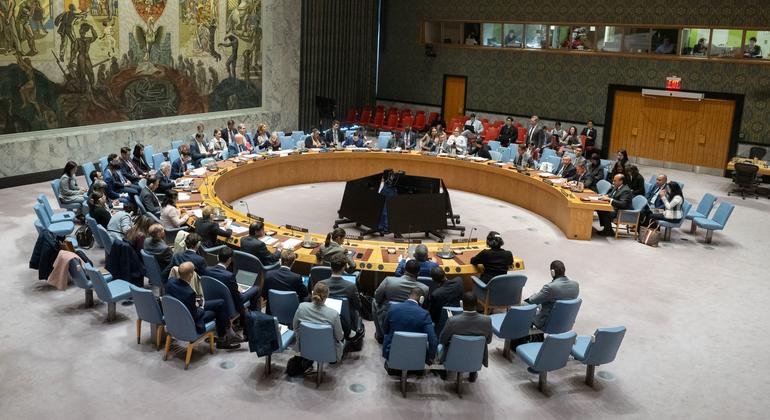

Security Council LIVE: Situation in the Middle East
Introduction
The Middle East has long been a focal point of global politics, with geopolitical tensions, conflicts, and humanitarian crises drawing the attention of the international community. The United Nations Security Council (UNSC) plays a pivotal role in addressing these issues, making its sessions concerning the Middle East particularly significant. This article provides an overview of the latest developments from the Security Council related to the situation in the Middle East.
Overview of the Security Council’s Role
The UNSC is responsible for maintaining international peace and security, and it consists of 15 member states, five of which are permanent members with veto power. The Council meets regularly to discuss current issues, including conflict resolution, peacekeeping missions, and humanitarian aid.
Recent Developments in the Middle East
Ongoing Conflict in Syria
The Syrian conflict, now in its second decade, showcases the challenges faced by the UNSC. With millions of displaced individuals and ongoing violence, the need for intervention remains urgent. Recent sessions have focused on:
- Humanitarian Access: Discussions have highlighted the need for unhindered humanitarian access to affected regions.
- Political Solutions: The Council has reiterated the importance of a negotiated political solution in line with the UN Resolution 2254.
The Palestinian-Israeli Conflict
The Israeli-Palestinian conflict is another critical point of concern for the UNSC. Recent resolutions and discussions have emphasized:
- Two-State Solution: Many member states advocate for a framework that supports the establishment of an independent Palestinian state alongside Israel.
- Settlements: Ongoing discussions have addressed Israeli settlement expansion, deemed illegal under international law, and its implications for peace.
The Impact of Regional Players
The involvement of regional powers, including Iran, Saudi Arabia, and Turkey, adds layers of complexity to the situation. The Security Council has conducted discussions on:
- Proxy Conflicts: Tensions fueled by proxy conflicts in places like Yemen and Libya have been a focal point.
- Nuclear Proliferation: The Iran nuclear deal remains a contentious issue, with debates over adherence to agreements and potential sanctions.
Humanitarian Crises in the Middle East
Refugee Situations
The Middle East is home to millions of refugees resulting from prolonged conflicts. The UNSC has called for:
- Increased Funding: Efforts to bolster humanitarian assistance have intensified, with the emphasis on funding for refugee-hosting countries.
- Resettlement Programs: Urging member states to participate in resettlement initiatives to alleviate pressure on host countries.
Health and Social Issues
Recent sessions have also focused on the social aftermath of conflicts, including:
- Healthcare Access: The impact of war on health systems, particularly highlighted during the COVID-19 pandemic, has drawn significant attention.
- Education for Children: With millions of children out of school due to conflict, the UNSC has emphasized the need for educational initiatives.
Geopolitical Dynamics in the Middle East
U.S. and Russia’s Roles
The United States and Russia have historically had contrasting approaches to Middle Eastern conflicts. The UNSC discussions often reflect these tensions:
- U.S. Support for Israel: The U.S. has been a staunch ally of Israel, often using its veto power to block resolutions perceived as anti-Israel.
- Russia’s Strategic Interests: Russia’s support for the Assad regime in Syria and its role in negotiations have positioned it as a critical player.
The Rise of Non-State Actors
Organizations such as ISIS and Hezbollah pose significant challenges. The UNSC has addressed:
- Counterterrorism Efforts: Strengthening international cooperation to combat terrorism is crucial.
- Sanctions on Non-State Actors: Discussing potential sanctions against groups undermining peace and stability.
Conclusion
The situation in the Middle East remains fluid and complex, necessitating continuous dialogue and cooperation among UNSC member states. The Council’s efforts to navigate these challenges illustrate its commitment to fostering peace and stability in the region. The outcomes of these discussions not only affect the lives of millions in the Middle East but also resonate across the globe, influencing international relations and humanitarian efforts.
Call to Action
Staying informed about the Security Council’s discussions and decisions is vital for anyone interested in global politics and humanitarian issues. Follow news updates and analyses to understand better how international dynamics shape the future of the Middle East and its people. Let’s advocate for peace, justice, and a collaborative approach to conflict resolution that prioritizes the well-being of all individuals affected by these ongoing crises.
For more details and the full reference, visit the source link below:
Read the complete article here: https://news.un.org/feed/view/en/story/2026/02/1166994