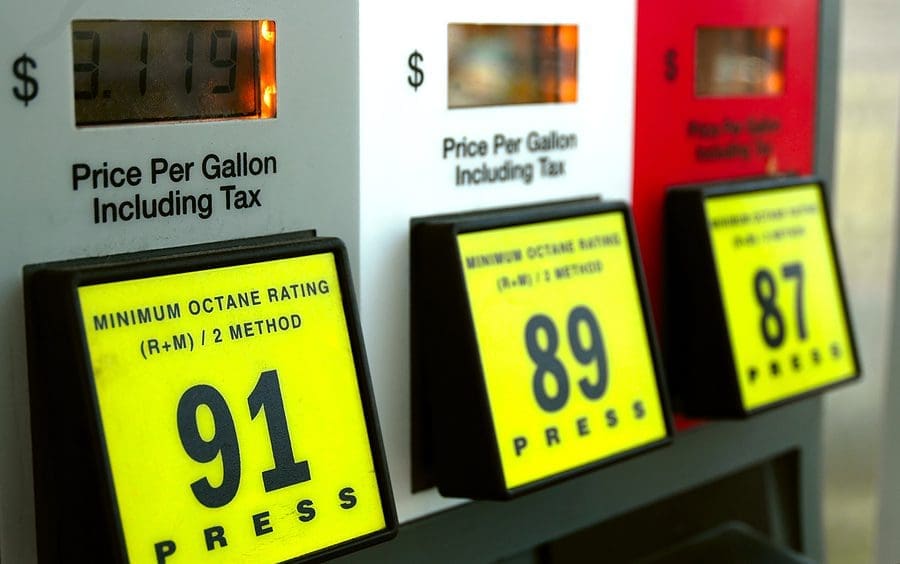

Gas prices have dropped more than 50 cents per gallon in one month, providing relief for American motorists. Missouri remains below the national average, but fuel prices are still substantially higher than a year ago.
ST. LOUIS, MO – November 17, 2026 (STL.News) Gas Prices – Gasoline prices are falling across the United States, providing welcome relief to millions of motorists after months of elevated transportation expenses. The national average has dropped below $4 per gallon, and several states are approaching the $3 threshold as lower crude oil prices and seasonal market conditions help ease pressure at the pump.
According to AAA, the national average for regular unleaded gasoline was $3.8118 per gallon on November 16, 2026, down from $4.0093 a week earlier and $4.3271 a month earlier.
That represents a decline of approximately 20 cents per gallon in one week and nearly 52 cents over the past month.
The reduction is particularly encouraging for families preparing for Thanksgiving travel, commuters who depend on their vehicles, and small businesses struggling with transportation expenses.
However, the latest figures also reveal an important economic reality: Gasoline remains substantially more expensive than it was one year ago.
On November 16, 2025, the national average was $3.0723 per gallon, meaning motorists were still paying about 74 cents more per gallon than a year earlier.
For American consumers, the immediate improvement is meaningful. Whether prices continue declining will depend on crude oil markets, petroleum supplies, refinery operations, and international developments.
Gas Prices Have Fallen More Than 50 Cents in a Month
The latest AAA figures demonstrate how quickly gasoline prices have changed.
National regular gasoline averages as of November 16 were:
- Current average: $3.81 per gallon
- One week earlier: $4.01 per gallon
- One month earlier: $4.33 per gallon
- One year earlier: $3.07 per gallon
The decline over the past month represents a reduction of approximately 11.9%.
For a driver purchasing 15 gallons of gasoline, the difference amounts to about $7.73 in savings compared with prices one month earlier.
A household purchasing 60 gallons monthly would save approximately $30.92 if the lower price applied to all its purchases.
Although these savings may seem modest, they matter for households already struggling with groceries, insurance, housing, utilities, and other essential expenses.
Gasoline prices also influence consumer confidence because motorists encounter them almost daily.
Unlike many other economic indicators, gasoline prices are prominently displayed along highways and neighborhood streets, making changes immediately noticeable.
When prices fall, consumers may feel less financial pressure, potentially leaving additional money available for other purchases.
Gas Prices – Where Is Gasoline Cheapest in America?
Gasoline prices vary substantially across the United States, and the latest AAA figures demonstrate the importance of regional market conditions.
As of November 16, North Carolina had the lowest statewide average for regular gasoline at approximately $3.09 per gallon.
Texas ranked second at approximately $3.28.
The five states with the lowest averages were:
- North Carolina — $3.09
- Texas — $3.28
- Indiana — $3.32
- Georgia — $3.33
- Oklahoma — $3.33
These figures represent statewide averages, not individual gasoline station prices.
Some stations may sell gasoline for less, while others charge considerably more.
Regional prices depend on several factors, including gasoline taxes, transportation expenses, refinery access, distribution networks, competition, and local supply conditions.
Texas benefits from extensive petroleum production and refining infrastructure, while several Southern states have relatively favorable fuel distribution costs.
However, crude oil production alone does not determine gasoline prices.
Retail prices also reflect state and local taxes, refining requirements, and transportation costs.
North Carolina’s average is particularly noteworthy because it places the state within approximately nine cents of $3 per gallon.
That does not mean the national average is about to fall below $3, but it illustrates how much lower some regional markets have become.
Gas Prices – Where Is Gasoline Most Expensive?
At the other end of the market, motorists in Hawaii and California continue to pay substantially more than drivers in most other states.
According to AAA’s November 16 figures, Hawaii had the highest statewide average for regular gasoline at approximately $5.62 per gallon.
California followed at approximately $5.57.
The five most expensive states were:
- Hawaii — $5.62
- California — $5.57
- Nevada — $4.90
- Washington — $4.83
- Oregon — $4.46
The difference between Hawaii and North Carolina was approximately $2.52 per gallon.
For a 15-gallon purchase, that represents nearly $38 in additional fuel expenses.
For a household purchasing 60 gallons monthly, the difference would exceed $150.
These regional disparities demonstrate why the national average does not fully represent what every American motorist pays.
Hawaii faces unique geographic challenges involving fuel transportation and supply logistics.
California’s gasoline market is influenced by taxes, specialized fuel requirements, refinery capacity, and distribution infrastructure.
Other Western states face transportation and supply challenges that can drive up prices.
Consequently, gasoline prices can remain elevated in certain regions even as the national average declines.
Gas Prices – Missouri Gas Prices Are Below the National Average
For Missouri motorists, the latest figures offer encouraging news.
AAA reported that Missouri’s statewide average for regular gasoline was about $3.51 per gallon on November 16, roughly 30 cents below the national average.
The comparison with neighboring Illinois is particularly relevant to the St. Louis metropolitan area.
Illinois averaged approximately $4.18 per gallon on the same date.
That represents a difference of approximately 67 cents per gallon between the two states.
For a 15-gallon purchase, the difference amounts to roughly $10.
For residents of the greater St. Louis region, where motorists frequently cross the Mississippi River for employment, shopping, and entertainment, the price difference can be noticeable.
However, statewide averages should not be interpreted as guaranteed prices at individual stations.
Prices can vary considerably between communities, neighborhoods, and retailers.
Drivers should compare actual posted prices before making special trips to purchase gasoline.
Nevertheless, Missouri’s statewide average remains substantially below the national figure.
Gas Prices – How High Did Gasoline Prices Get in 2026?
The recent decline becomes more meaningful when compared with the elevated gasoline prices Americans encountered earlier this year.
On May 21, 2026, AAA reported a national average of $4.564 per gallon for regular gasoline.
That was approximately 75 cents higher than the November 16 average.
At the time, AAA described gasoline prices as reaching four-year highs as disruptions involving petroleum shipments through the Strait of Hormuz contributed to elevated energy costs.
The May 21 figure provides a documented benchmark for comparing the current decline with the elevated prices experienced during 2026.
It should not, however, be interpreted as proof that May 21 was the single highest daily average of the entire year.
For a driver purchasing 15 gallons, the difference between the May 21 benchmark and November 16 prices represents approximately $11.28 in savings.
The reduction illustrates the financial relief consumers have experienced as gasoline prices have retreated from earlier elevated levels.
Gas Prices – What Was the Highest Gasoline Price in U.S. History?
The all-time national record for regular gasoline was approximately $5.0165 per gallon, reached on June 14, 2022, according to AAA historical data.
That record occurred during a period of significant disruption in international petroleum markets following Russia’s invasion of Ukraine and the economic consequences of the COVID-19 pandemic.
Global energy supplies were under pressure, and crude oil prices increased sharply.
The national average for gasoline eventually exceeded $5 per gallon, raising widespread concerns about transportation costs and inflation.
Compared with that historic record, the November 16, 2026 national average was approximately $1.20 lower per gallon.
For a 15-gallon purchase, that represents approximately $18 in savings compared with the record.
However, the comparison also demonstrates how volatile gasoline prices can become when international petroleum markets experience major disruptions.
Gas Prices – Why Are Gasoline Prices Falling?
Several economic and industry developments help explain the recent decline.
Lower Crude Oil Prices
Crude oil is generally the largest single component of the retail price of gasoline.
When crude oil prices decline, refiners may benefit from lower raw material costs, creating opportunities for lower wholesale and retail gasoline prices.
AAA reported on November 12 that falling crude oil prices were helping the national average drop below $4 per gallon for the first time since July.
However, retail gasoline prices do not necessarily move immediately or in proportion to crude oil prices.
Refining costs, transportation, distribution systems, taxes, and retail operating expenses also influence the final price motorists pay.
Seasonal Demand Changes
Gasoline demand often declines following the summer driving season.
During summer, vacation travel and other seasonal activities typically increase fuel consumption.
As autumn progresses, driving patterns change, and demand may weaken.
Lower demand can push gasoline prices down when supplies remain adequate.
Winter Gasoline Formulations
Refineries transition from summer gasoline formulations to winter formulations during the autumn months.
Summer gasoline must meet stricter volatility requirements in many markets to reduce evaporative emissions during warmer weather.
Winter formulations are generally less expensive to manufacture.
The seasonal transition can help reduce wholesale gasoline costs, although the impact varies by region and market conditions.
Refinery Production and Distribution
Refinery operations also influence gasoline prices.
Maintenance schedules, unexpected equipment failures, and temporary production disruptions can affect regional supplies.
When refineries operate reliably and distribution systems function efficiently, adequate supplies can help ease price pressure.
The recent decline is therefore best understood as the result of several interacting factors rather than one isolated development.
Gas Prices – International Oil Markets Remain a Concern
International geopolitical developments have played an important role in petroleum prices during 2026.
The conflict involving Iran and disruptions affecting the Strait of Hormuz have created substantial uncertainty in global energy markets.
The Strait of Hormuz is one of the world’s most important petroleum transportation routes.
Disruptions to shipments through the region can affect crude oil supplies, transportation costs, and market expectations.
AAA’s May 21 report specifically identified the prolonged closure of the strait as a factor contributing to elevated gasoline prices.
Although gasoline prices have since declined, international petroleum supply risks remain important.
The United States produces substantial quantities of oil, but American consumers are still affected by global crude oil prices.
Domestic production can improve supply security, but it does not completely insulate motorists from international energy market disruptions.
Gas Prices – Could Gasoline Fall Below $3 Per Gallon?
With gasoline prices declining rapidly, many motorists may wonder whether the national average could eventually return below $3 per gallon.
The possibility cannot be ruled out, but reaching that level would require a substantial additional reduction.
From the November 16 average of approximately $3.81, gasoline would need to decline another 81 cents per gallon, or roughly 21%, to reach $3.
That is a considerably larger decline than the reduction recorded during the previous month.
Some states are already approaching the threshold.
North Carolina’s statewide average of approximately $3.09 demonstrates that gasoline prices in certain regional markets are close to $3.
However, isolated station prices or low statewide averages do not necessarily predict the national trend.
For the national average to fall below $3, favorable market conditions would likely need to continue.
Those conditions could include lower crude oil prices, adequate gasoline supplies, stable refinery operations, and relatively subdued demand.
A significant disruption to international petroleum supplies could reverse the recent decline.
Therefore, a national average below $3 remains a possibility rather than a reliable short-term forecast.
However, at current supply levels, we expect it to drop below $3.00 per gallon.
Gas Prices – Diesel Prices Remain a Major Economic Concern
While regular gasoline prices are falling, diesel fuel remains significantly more expensive.
AAA’s November 16 national diesel average was about $6.00 per gallon.
That was substantially higher than the regular gasoline average of $3.81.
Diesel is especially important to commercial trucking, agriculture, construction, freight distribution, and other essential industries.
Higher diesel prices can increase the cost of transporting groceries, manufactured products, construction materials, and other goods.
Those additional expenses may eventually be reflected in consumer prices.
According to LendingTree’s November 13 analysis, diesel prices were substantially higher than a year earlier, demonstrating that commercial transportation costs remain under pressure.
Consequently, falling gasoline prices do not necessarily mean transportation-related inflation has disappeared.
Gas Prices – Lower Gasoline Prices Could Help Restaurants and Retailers
Lower gasoline prices can provide economic benefits beyond the immediate savings motorists experience at the pump.
When households spend less on transportation, they may have additional money available for dining out, shopping, entertainment, and other discretionary activities.
That matters particularly for restaurants and retailers operating in competitive markets.
Many businesses continue to face elevated costs for labor, food, insurance, utilities, and rent.
At the same time, consumers have become increasingly selective about discretionary spending.
A sustained decline in gasoline prices could help improve household purchasing power.
Businesses operating gasoline-powered delivery vehicles, service trucks, and other fleets may also benefit directly.
However, lower fuel costs alone are unlikely to reverse broader affordability challenges.
For restaurants and retailers, sustained improvements in consumer spending power would be more meaningful than a temporary decline in gasoline prices.
Gas Prices – What Could Cause Gasoline Prices to Rise Again?
Gas Prices: Despite the encouraging trend, several risks remain.
International geopolitical developments are among the most important.
A major disruption to petroleum production or shipping could quickly increase crude oil prices.
Unexpected refinery outages could also create regional gasoline shortages.
Changes in petroleum production, stronger-than-expected demand, or transportation disruptions could limit additional price reductions.
Holiday travel may temporarily increase gasoline consumption, although seasonal demand generally tends to be lower than during summer.
The global petroleum market remains sensitive to changing economic and political conditions.
Consequently, motorists should not assume the current decline will continue indefinitely.
Gas Prices – What Should Americans Watch Through the End of 2026?
Gas Prices: Several indicators will help determine whether gasoline prices will continue to fall.
Crude oil prices remain especially important because they represent a substantial portion of gasoline production costs.
Gasoline inventories, refinery production, and consumer demand will also influence the market.
International shipping conditions and developments involving major petroleum-producing countries deserve continued attention.
For consumers, the most useful indicators will be sustained changes in national and regional gasoline averages rather than isolated daily movements.
A continued decline over several weeks would provide stronger evidence of a lasting downward trend.
For now, the market is offering motorists meaningful relief from the elevated prices experienced earlier in 2026.
However, the national average remains above its November 2025 level, and diesel prices continue placing pressure on commercial transportation.
The Bottom Line: Gas Prices Are Falling, but Remain High
Gas Prices: The latest gasoline figures provide encouraging news for millions of Americans.
As of November 16, the national average for regular gasoline had declined to approximately $3.81 per gallon, more than 50 cents below its level one month earlier.
North Carolina had the lowest statewide average at approximately $3.09, while Hawaii remained the most expensive at approximately $5.62.
Missouri’s average of approximately $3.51 placed the state below the national figure and substantially below neighboring Illinois.
The national average was also approximately 75 cents below AAA’s documented May 21 benchmark of $4.564.
Those reductions represent meaningful savings for households and businesses.
Nevertheless, gasoline remains approximately 74 cents more expensive than it was one year ago, and diesel prices remain elevated.
Lower crude oil prices and seasonal market conditions have contributed to the recent decline, but international supply disruptions remain a concern.
The possibility of additional reductions is encouraging, particularly if global petroleum supplies improve.
However, a return to a national average below $3 per gallon remains uncertain.
For American motorists, the immediate news is positive: Gasoline prices have fallen substantially, providing relief as many households continue to face financial pressure.
Whether the decline continues into December and beyond will depend on crude oil prices, global energy supplies, refinery operations, and consumer demand.
For now, Americans are finally seeing some relief at the gasoline pump — even if the country has not yet returned to the lower fuel prices motorists would prefer.
Sources: AAA Fuel Prices, November 16, 2026 national and state averages; AAA May 21, 2026 Memorial Day gasoline price report; AAA November 12, 2026 gasoline market report; AAA historical gasoline records; LendingTree November 13, 2026 gasoline and diesel price analysis. Statewide averages are not individual station prices. Future price movements remain uncertain.


