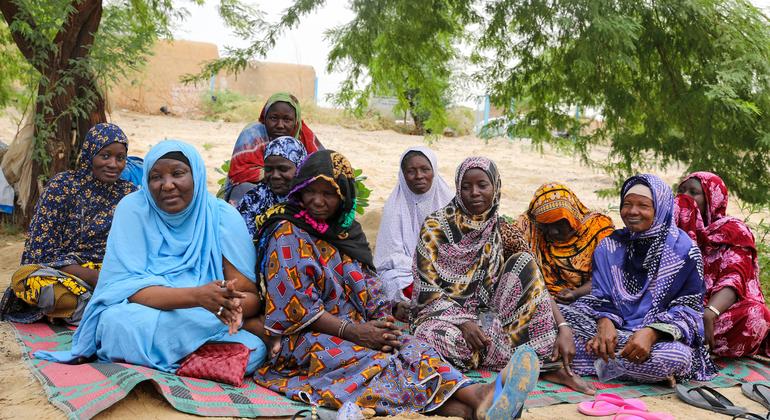

West Africa and the Sahel: The Changing Face of Terrorism
Introduction
West Africa and the Sahel region, a stretch of territory that spans several countries including Mali, Niger, and Burkina Faso, have become hotspots for terrorist activities in recent years. Historically plagued by instability due to political, social, and economic factors, these regions are now witnessing a transformation in the nature of terrorism itself. This article examines the factors contributing to this shift, the emerging trends in terrorism, and the implications for regional security and international responses.
Understanding the Landscape of Terrorism in West Africa
Historical Context
Understanding the present dynamics of terrorism in West Africa requires a grasp of its historical context. The Sahel has long grappled with colonial legacies, weak governance, and socio-economic challenges. In recent decades, these issues have been compounded by the rise of extremist groups such as Boko Haram and al-Qaeda affiliates, thriving on local grievances and instability.
The Emergence of New Groups
In recent years, West Africa has seen the emergence of new terrorist groups that are adapting their strategies to exploit local conditions. Groups like the Islamic State in the Greater Sahara (ISGS) and Jama’a Nusrat ul-Islam wa al-Muslimin (JNIM) have proliferated, drawing thousands of fighters and supporters. These new entities often focus not only on terrorism but also on gaining territorial control, which changes the operational landscape dramatically.
Key Factors Influencing Terrorism in West Africa
Social and Economic Disparities
One of the primary drivers of terrorism in the Sahel is the deep-rooted social and economic inequalities. High unemployment rates, particularly among youth, combined with lack of access to education and basic services, create fertile ground for extremist ideologies to take root. Organizations leverage these grievances to recruit and radicalize individuals, offering a sense of purpose and belonging.
Political Instability
Political instability in the region is another significant factor. Frequent coups, ineffective governance, and corruption have eroded public trust in state institutions. In a vacuum of authority, extremist groups often step in to provide services, asserting their influence and further complicating the fight against terrorism.
Climate Change and Resource Scarcity
The Sahel region is particularly vulnerable to the impacts of climate change, leading to resource scarcity and heightened intercommunal tensions. Drought, desertification, and competition for water and land exacerbate existing grievances, making communities more susceptible to radicalization by extremist groups that promise solutions.
The Changing Nature of Terrorism
Shifts in Strategy and Tactics
As existing terrorist organizations re-evaluate their strategies, we are witnessing a shift in tactics. Rather than merely focusing on high-profile attacks, many groups are now targeting local communities, conducting small-scale assaults, and engaging in banditry. This strategy not only minimizes the risk of state retaliation but also helps them assert control over territory and resources.
Increased Collaboration Among Terrorist Groups
There is a notable trend of collaboration among different terrorist organizations across West Africa. This intergroup cooperation allows for the sharing of resources, intelligence, and tactics, making it increasingly difficult for state forces to combat these threats effectively. The alliances formed between groups like Boko Haram and ISGS illustrate this growing phenomenon.
Technology and Propaganda
The role of technology in the changing face of terrorism cannot be undervalued. Social media platforms serve as powerful tools for propaganda, enabling terrorist organizations to disseminate their ideologies and recruit followers globally. Online radicalization is on the rise, with logistical considerations such as anonymous communication and digital fundraising enhancing the effectiveness of these groups.
The Human Cost of Terrorism
Impact on Civilians
The effects of rising terrorism in West Africa are dire, particularly for civilians. Communities suffer from violence, displacement, and the erosion of social cohesion. Children are increasingly recruited into armed groups, and families are torn apart, creating a cycle of trauma that is difficult to break.
Displacement and Humanitarian Crisis
The ongoing conflict has led to significant displacement across the region, with millions forced to flee their homes. The United Nations has reported a humanitarian crisis of unprecedented proportions, exacerbated by limited access to food, shelter, and healthcare.
International Responses to Terrorism
Regional and Global Initiatives
In response to the changing face of terrorism, both regional and international actors have initiated various programs aimed at countering violent extremism. The G5 Sahel Joint Force, comprising Burkina Faso, Mali, Niger, Chad, and Mauritania, represents a collaborative effort to address security challenges in the region.
Capacity Building and Support
International partners have committed to providing resources and training to enhance the capabilities of local security forces. However, effective implementation requires a comprehensive approach that also addresses the root causes of terrorism, including governance, development, and community resilience.
The Role of Local Communities
Ultimately, sustainable strategies to combat terrorism must involve local communities. Engaging with local leaders to build trust, addresses grievances, and provide alternative narratives is vital for countering violent extremism. Community-led initiatives have shown potential in reducing radicalization and fostering resilience.
Conclusion
The Sahel and West Africa are at a critical juncture regarding terrorism. The changing face of terrorism in this region is driven by a complex interplay of social, political, and environmental factors. Effective responses require not only military and security measures but also community engagement, economic development, and political stability. As the world watches, the future of this region will depend on the combined efforts of local populations, governments, and international partners to counter the tides of extremism and build a more secure environment for all.
Call to Action
For individuals looking to contribute positively to the situation in West Africa and the Sahel, consider supporting NGOs that focus on humanitarian aid, education, and community development. Awareness and advocacy can also play significant roles in bringing attention to the complexities of this issue. By understanding the underlying causes and supporting effective solutions, we can hope for a more stable and secure future for this vital region.
For more details and the full reference, visit the source link below:
Read the complete article here: https://news.un.org/feed/view/en/story/2026/07/1167940