
Wars and Geopolitical Divisions: The Dangerous Erosion of World Order
Introduction
In recent years, the landscape of global politics has been marred by a troubling increase in wars and geopolitical divisions. António Guterres, the Secretary-General of the United Nations, has repeatedly warned that these conflicts constitute a “dangerous erosion” of world order. As nations grapple with regional tensions, the foundational principles of international cooperation are being tested, raising alarms about global security and stability.
The Current State of Global Conflicts
Rising Tensions and Ongoing Wars
Today, numerous regions around the world are embroiled in conflicts that jeopardize not only national sovereignty but also international peace. From the enduring strife in the Middle East to the simmering tensions in Eastern Europe, wars are not only destroying lives but also destabilizing entire regions. The ongoing wars in Syria and Yemen are stark reminders of how deep-rooted grievances can escalate into protracted violence.
Geopolitical Divisions: East vs. West
The Cold War era might have officially ended decades ago, yet its psychological and ideological divisions still resonate through contemporary geopolitics. The increasing dichotomy between Eastern and Western nations has resulted in a polarized world. With rising powers like China and India challenging traditional Western dominance, new alliances and rivalries are forming, exacerbating international tensions.
The Role of the United Nations
A Platform for Peace
The UN has long served as a platform for diplomacy and conflict resolution. However, with the rise of unilateral actions from powerful countries, the effectiveness of this international body has come into question. Guterres has urged member states to recommit to multilateralism, focusing on collaborative solutions rather than confrontational posturing. The UN’s ability to mediate conflicts and promote peace has never been more crucial.
Challenges in Conflict Resolution
Despite its objectives, the UN faces significant challenges in addressing current conflicts. Member states often prioritize national interests over collective well-being, leading to gridlocks in critical negotiations. This ongoing struggle diminishes the UN’s credibility and raises questions about its utility in an increasingly fractious global landscape.
The Human Cost of Wars
Displacement and Refugees
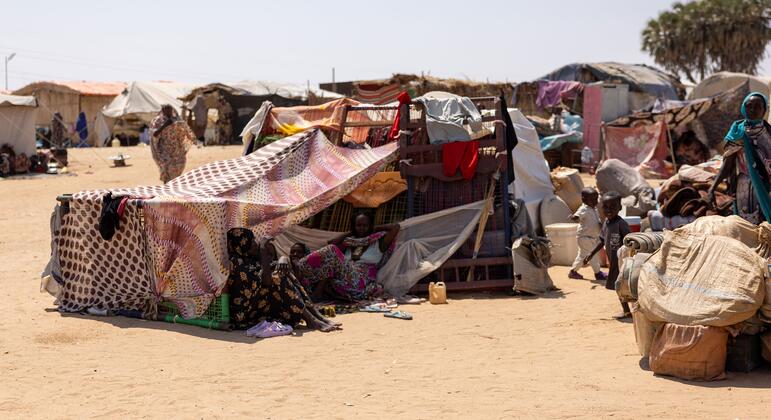
Wars bring devastating humanitarian consequences. According to UN reports, millions of people have been displaced due to conflicts, creating one of the most significant refugee crises in modern history. Countries neighboring war-torn regions are often strained by the influx of people seeking safety and stability.
Economic Impact
The economic ramifications of ongoing wars extend beyond the immediate conflict zone. Global markets are affected as resources are diverted to military spending rather than essential services. Nations embroiled in conflict often face stalled economic growth, leading to increased poverty and social unrest.
The Role of Media and Social Networks
The Influence of Information Wars
In this information age, the battle for narrative supremacy has become an essential aspect of modern conflicts. Social media platforms can amplify propaganda and misinformation, fueling divisions and hostility. The spread of disinformation can sway public opinion and influence political decisions, further complicating diplomatic efforts.
Promoting Awareness and Engagement
On a positive note, social media can foster awareness and engagement on global issues, mobilizing grassroots movements for peace. Activists utilize these platforms to bring attention to humanitarian crises, rallying support for victims of wars and advocating for change.
The Path Forward: A Call for Unity
Emphasizing Diplomacy
The urgent need for diplomacy has never been more apparent. World leaders must prioritize dialogue and reconciliation, moving away from confrontation and towards collaborative problem-solving. Establishing forums for constructive engagement can foster mutual understanding and respect among nations.
Strengthening Multilateral Institutions
Reinforcing multilateral institutions like the United Nations can enhance their capacity to address conflicts effectively. Member states must recommit to shared values and collective actions, recognizing that the stability of one region is often intertwined with the security of another.
Engaging Civil Society
Involving civil society in the peace-building process is critical. Local communities possess valuable insights and perspectives that can inform more effective approaches to conflict resolution. Their participation can also foster a sense of ownership and accountability in the peace process.
Conclusion
The dangerous erosion of world order due to wars and geopolitical divisions calls for immediate action. As António Guterres has articulated, embracing diplomacy, strengthening multilateral institutions, and engaging civil society are crucial steps toward rebuilding a more stable and peaceful international landscape. The need for cooperation has never been more pressing; only through unity can we hope to overcome the challenges posed by ongoing conflicts and create a sustainable global future.
For more details and the full reference, visit the source link below:
Read the complete article here: https://news.un.org/feed/view/en/story/2026/05/1167589