
Civilians Again Under Fire: The Ongoing US-Iran Strikes in the Middle East
Introduction
The Middle East has long been a hotspot of geopolitical tension, and recent events have further escalated the situation, resulting in civilians once again bearing the brunt of military actions. The ongoing strikes between the United States and Iran have complicated an already fragile landscape, where peace remains elusive. As conflict rages on, it is crucial to analyze the impact of these strikes on civilian populations and the broader implications for regional stability.
The Roots of US-Iran Tensions
Historical Context
Understanding the current state of US-Iran relations necessitates a look back at history. From the 1953 coup that installed the Shah to the 1979 Islamic Revolution, the animosity has deep roots. Key events such as the Iran-Iraq War, the nuclear deal failures, and the Trump administration’s withdrawal from the Joint Comprehensive Plan of Action (JCPOA) have all contributed to the deteriorating relationship.
The Role of Proxy Wars
Iran’s support for various militant groups in the region, such as Hezbollah in Lebanon and various factions in Iraq and Syria, further aggravates tensions with the US. These proxy wars not only serve to extend Iranian influence but also provide a battleground where civilians often find themselves caught in the crossfire.
Recent Developments in US-Iran Strikes
Escalation of Military Actions
In recent months, the frequency and intensity of US-Iran strikes have increased, following a series of retaliatory attacks. The U.S. has targeted militia groups aligned with Iran across Iraq and Syria in response to missile strikes that threaten its personnel and interests. When such military actions are employed, the civilian population tends to become collateral damage.
Civilians as Victims
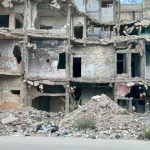
Reports indicate that civilian casualties have surged during these military operations. Families are no longer safe in their homes as airstrikes and ground battles unfold. This situation heightens the urgency for humanitarian responses, emphasizing the need for international intervention to protect innocent lives in conflict zones.
Impact on Civilian Life
Displacement and Refugee Crisis
With strikes intensifying, displacement has become rampant. Thousands of people have been forced to flee their homes, seeking refuge in safer areas. The conditions faced by these displaced individuals—lack of shelter, food insecurity, and inadequate healthcare—highlight the urgent need for humanitarian aid and support.
Psychological Effects
The psychological toll of sustained military conflict is also substantial. Civilians who live under perpetual threat experience trauma, anxiety, and post-traumatic stress disorder (PTSD). Children, in particular, are vulnerable, with educational services disrupted and a generation facing the risk of long-term emotional scars.
International Response and Humanitarian Aid
Need for Diplomatic Solutions
To mitigate the impact of military strikes on civilians, a robust and immediate international diplomatic response is essential. Nations across the globe must advocate for a ceasefire and promote dialogue between the U.S. and Iran. The establishment of diplomatic channels is critical to ensuring that civilians’ rights are protected and that hostilities cease.
Humanitarian Organizations’ Efforts
Humanitarian organizations are working tirelessly to provide relief in affected areas. NGOs are delivering food, medical supplies, and psychological support to those in need. However, fundraising for these initiatives is often hindered by ongoing conflict and security concerns, underscoring the need for greater international support and cooperation.
The Path Forward: Seeking Peace in the Middle East
Engaging Regional Powers
Achieving long-term stability in the Middle East requires collaboration among regional powers. Nations like Saudi Arabia, Turkey, and Qatar can play constructive roles in mediating discussions between the U.S. and Iran. Engagement, rather than confrontation, could potentially lead to a shared understanding of mutual interests in achieving peace.
Promoting Civil Society
Supporting local civil society organizations can provide a voice for civilians affected by conflict. These organizations can offer critical insights into the needs of affected populations and work towards rebuilding communities post-conflict. Funding and recognition from international entities can empower locals to take charge of their futures amid turmoil.
Conclusion
As US-Iran strikes continue to affect ordinary civilians, understanding the pain and suffering of these innocent populations is imperative. The cycle of violence can only be broken through a dedicated effort to promote peace, diplomacy, and humanitarian support. By fostering dialogue, engaging regional actors, and prioritizing the needs of civilians, we can pave the way for a more stable Middle East—one where the horrors of conflict do not haunt the lives of everyday people.
SEO Optimized Key Phrases:
- US-Iran tensions
- Middle East conflict
- Civilian casualties
- Humanitarian aid in the Middle East
- Diplomatic solutions to Middle East crisis
- Impact of military strikes on civilians
- Refugee crisis in Iraq and Syria
- Psychological effects of war on civilians
For more details and the full reference, visit the source link below:
Read the complete article here: https://news.un.org/feed/view/en/story/2026/07/1167979