
UN Warns West Bank Settler Violence Hits ‘All-Time High’ as Calls Grow to End Occupation
The escalating violence in the West Bank has raised alarm bells across the globe. The United Nations (UN) recently issued a stark warning, indicating that settler violence against Palestinian communities has reached an “all-time high.” This situation necessitates a critical examination of the underlying causes, the reactions from the international community, and the urgent calls for an end to the occupation.
Understanding the Context of Settler Violence
The Historical Background
The Israeli-Palestinian conflict has been characterized by profound historical complexities, shaped by decades of occupation. Settlements in the West Bank, considered illegal under international law, have proliferated since Israel’s establishment in 1948. These settlements have led to increased tensions and violent encounters between Israeli settlers and Palestinian residents.
Settler Violence Defined
Settler violence encompasses acts of aggression, harassment, and intimidation directed primarily at Palestinian civilians in the West Bank. This violence often manifests as physical assaults, property destruction, and even fatal attacks. The rise in such incidents raises critical questions about law enforcement, accountability, and the broader implications for peace in the region.
UN Reports on Violence Trends
Alarmingly High Incidents
The UN’s latest report highlights that settler violence incidents have surged by over 200% in recent months. Data shows that nearly 800 violent episodes were reported in 2022 alone, affecting thousands of Palestinians. These alarming figures not only indicate an urgent humanitarian crisis but also point to a failure of both Israeli authorities and the international community to act decisively.
The Impact on Palestinian Communities
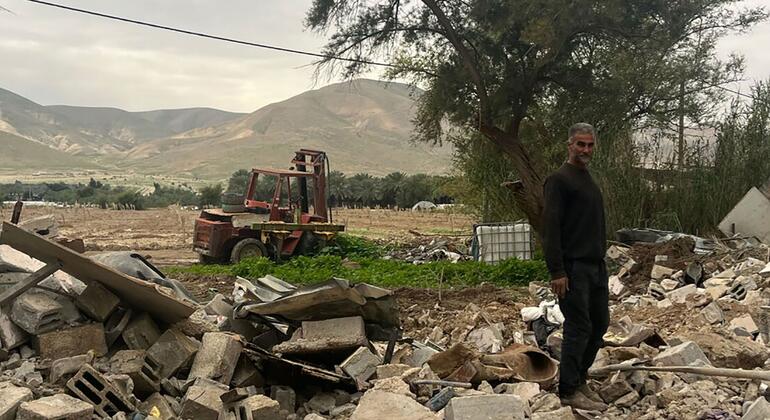
The ramifications of increased settler violence are severe for Palestinian communities. Many families face displacement, fear for their safety, and suffer psychological trauma. Farmland essential for their livelihood is often destroyed, exacerbating their economic plight and diminishing their quality of life.
International Reactions
Global Outcry
In light of the UN’s findings, global leaders, human rights organizations, and activist groups have voiced their concerns. Calls for immediate intervention to halt the violence have intensified, underscoring the urgent need for international scrutiny in addressing the situation.
Diplomatic Efforts
Numerous countries and organizations have urged the Israeli government to take accountability and curb violent actions by settlers. Diplomatic efforts to mediate a resolution have often faltered, leaving many to question the effectiveness of existing peace initiatives.
The Call to End the Occupation
Renewed Advocacy for Palestinian Rights
As violence escalates, the call to end the occupation of Palestinian territories grows louder. Advocates argue that sustainable peace cannot be achieved under the current circumstances. Ending the occupation is seen as a fundamental step toward ensuring civil rights, autonomy, and security for both Palestinians and Israelis.
International Legal Obligations
The international community’s responsibility to uphold human rights and international law is paramount. The UN Resolution 242 demands the withdrawal of Israeli forces from occupied territories, emphasizing the necessity for equitable solutions. Furthermore, the Fourth Geneva Convention prohibits actions by an occupying power that create conditions of collective punishment, reiterating the need for immediate legal action.
The Role of Social Media and Public Awareness
Amplifying Voices
In today’s digital age, social media has emerged as a powerful platform for raising awareness about human rights violations. Activists and organizations utilize these channels to document incidents of violence and foster global support for Palestinian rights.
The Impact of Visual Storytelling
Documenting the experiences of victims and survivors through visual storytelling has heightened empathy and encouraged grassroots movements to mobilize against injustices in the West Bank. As awareness spreads, pressure mounts on governments to take action and address the humanitarian crisis.
The Path Forward
Dialogue and Negotiation
For a lasting resolution, dialogue between Israeli and Palestinian leaders is essential. Delivering a platform for constructive conversation can pave the way for mutual recognition and respect for each other’s rights. The involvement of neutral third parties may also facilitate this process.
Community Building and Resilience
While political solutions are crucial, fostering community resilience through humanitarian efforts, education, and economic empowerment can offer immediate relief to those affected by violence. International organizations can play a vital role in providing assistance and resources to vulnerable groups.
The Role of Israel
The Israeli government holds significant responsibility for curbing violence and ensuring safety for all individuals living within its borders. Addressing systemic issues, enforcing law and order, and actively working towards a two-state solution are essential measures that cannot be overlooked.
Conclusion
The recent UN report highlighting the peak of settler violence in the West Bank underscores a critical humanitarian crisis that demands immediate attention. As calls to end the occupation intensify, it is vital for the international community to act and foster dialogue that paves the way for peace. The resolution of the Israeli-Palestinian conflict lies not only in stopping the violence but also in ensuring rights and dignity for all peoples involved. As history has shown, genuine peace can only emerge from mutual respect, understanding, and a collective commitment to justice.
For more details and the full reference, visit the source link below:
Read the complete article here: https://news.un.org/feed/view/en/story/2026/07/1168045