
UN Envoy Warns of Growing Risks in El Obeid as Sudan Conflict Drags On
Introduction
The ongoing conflict in Sudan has drawn attention from international organizations and governments worldwide. With the situation escalating, the UN envoy’s recent warnings highlight the critical risks emerging in El Obeid, a city that has increasingly become a focal point for humanitarian concerns. This article delves into the multifaceted issues arising from the conflict, the implications for El Obeid, and the urgent need for international intervention and support.
Understanding the Conflict in Sudan
Sudan has experienced years of turmoil, marked by violent clashes between government forces and various rebel groups. This conflict has roots in ethnic, economic, and political disparities that have plagued the nation for decades. The current state of affairs threatens not only the country’s stability but also the livelihoods of its citizens, particularly in areas such as El Obeid.
Historical Context
El Obeid, the capital of North Kordofan, has a history intertwined with Sudan’s broader political struggles. It has served as a hub for regional trade and cultural exchange. However, growing unrest has shifted its role to that of a humanitarian crisis zone. Understanding the historical context of this city is crucial for grasping its current risks.
Current Situation
The Sudanese conflict has escalated dramatically since the outbreak of violence in April 2023. As fighting intensifies, cities like El Obeid are witnessing an influx of internally displaced persons (IDPs), leading to strained resources and escalating tensions among local populations.
Risks Facing El Obeid
The UN envoy has highlighted several significant risks currently threatening the well-being of El Obeid’s residents:
1. Humanitarian Crisis
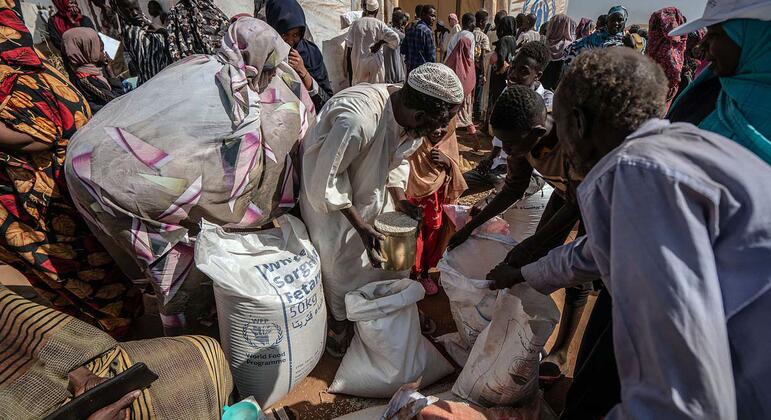
The humanitarian situation in El Obeid and its surrounding areas is becoming increasingly dire. Food shortages, lack of medical care, and inadequate shelter are pressing concerns. Without urgent assistance, the health and survival of thousands hang in the balance.
2. Violence and Instability
As governmental authority weakens and rival factions vie for control, violence is becoming more frequent. Residents of El Obeid are living in constant fear of clashes between armed groups, exposing them to a cycle of violence and insecurity.
3. Economic Collapse
The ongoing conflict has led to significant economic strain on El Obeid. Businesses are forced to close due to safety concerns, and markets are disrupted, leading to further economic downturn. This situation exacerbates poverty and increases the vulnerability of the local population.
UN’s Response and Concerns
Humanitarian Aid Initiatives
The United Nations has ramped up its humanitarian aid efforts to address the rising needs in El Obeid. However, access to affected populations is often hindered by violence and bureaucratic obstacles. The UN envoy is advocating for both increased funding and more accessible pathways for delivering assistance.
Call for International Support
The UN envoy has stressed the importance of international solidarity in tackling the crisis. Countries and organizations need to step up their efforts, not only to fund humanitarian projects but also to encourage diplomatic solutions to the ongoing conflict.
Implications for Regional Stability
Ripple Effects Across Borders
The conflict in Sudan does not remain confined within its borders. The humanitarian fallout and violent unrest have implications for surrounding countries, potentially destabilizing the entire region. Countries like Chad and South Sudan already face increased pressures from an influx of refugees fleeing the violence.
International Security Concerns
The escalation of conflict in Sudan raises red flags for global security. Terrorism and organized crime could thrive in such an unstable environment, spreading chaos beyond Sudan’s borders and impacting international peacekeeping efforts.
The Role of the International Community
Diplomatic Efforts
Diplomatic efforts must be reinforced to foster dialogue among conflicting parties. International bodies must unite in pressuring involved factions to come to the negotiating table, seeking a peaceful resolution to ongoing disputes.
Long-Term Solutions
It is imperative to focus on long-term strategies that promote stability and resilience in Sudan. Investing in education, infrastructure, and local governance will help in rebuilding the nation while reducing vulnerabilities that contribute to conflict.
The Human Cost of Inaction
Displacement and Refugee Crisis
The prolonged conflict has led to widespread displacement, with thousands of families fleeing El Obeid and other violence-ridden areas in search of safety. This exodus places immense strain on neighboring countries and compels humanitarian organizations to respond to an ever-widening crisis.
Emotional and Psychological Impact
Beyond physical needs, the emotional and psychological toll of conflict impacts individuals and communities. Survivors of violence often encounter mental health challenges, necessitating programs that address the psychological scars left by war.
Conclusion
The UN envoy’s warning regarding the growing risks in El Obeid amidst the Sudan conflict is both urgent and alarming. As the situation unfolds, it is clear that immediate intervention and comprehensive strategies are essential to alleviate human suffering and restore hope. The international community must unite in addressing these challenges, prioritizing humanitarian aid, and fostering dialogue for sustainable resolution. As history has shown, when nations suffer, the ripple effects extend far and wide—making it a global imperative to act decisively and compassionately.
For more details and the full reference, visit the source link below:
Read the complete article here: https://news.un.org/feed/view/en/story/2026/06/1167810