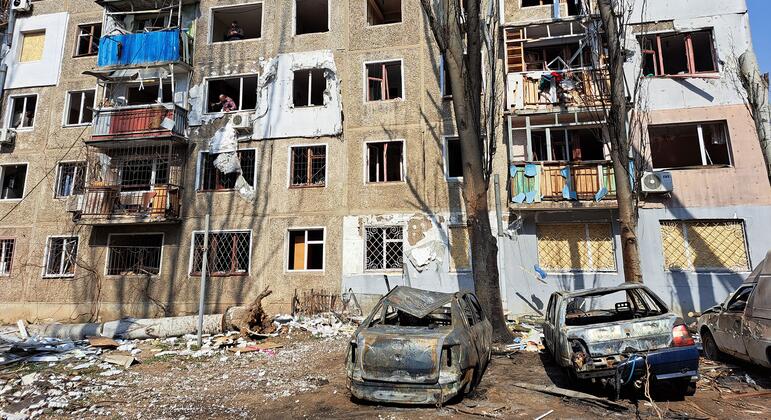

Ukraine: Rescuers Work to Save Trapped Residents After Wave of Russian Attacks
In recent weeks, Ukraine has faced an unprecedented series of airstrikes and artillery assaults, leading to a humanitarian crisis as rescuers mobilize to save trapped residents. With escalating tensions and bombardments, the focus has shifted to the urgent need for humanitarian aid and rescue efforts in war-torn regions. This article delves into the ongoing situation, the resilience of the Ukrainian people, and the vital role of rescuers amid chaos.
The Current Situation in Ukraine
Ukraine is grappling with the fallout from a renewed wave of Russian military aggression. Cities such as Kyiv, Kharkiv, and Mariupol have experienced significant destruction, with ballistic missiles and drone strikes wreaking havoc on civilian infrastructure. Hospitals, schools, and residential buildings have all been caught in the crossfire, resulting in many trapped under the rubble.
The Human Cost of War
As of October 2023, thousands of civilians have been affected, with casualties on the rise. The United Nations reports that millions of Ukrainians have been displaced internally and externally, seeking refuge from the violence. Essential services, including healthcare and sanitation, are deteriorating rapidly, exacerbating the plight of those affected.
Rescue Operations: A Race Against Time
In response to the catastrophe, rescue teams have sprung into action across impacted areas. Firefighters, paramedics, and volunteers are tirelessly working to locate and save trapped individuals. The operations, often carried out under life-threatening conditions, are characterized by the following:
Search and Recovery Efforts
Rescue operations are primarily focused on locating victims trapped beneath debris. Utilizing heavy machinery, search dogs, and drones, rescuers work long hours in response to distress calls from families and residents. Their efforts carry significant risks given the ongoing attacks, but the resolve to save lives drives them forward.
Community Support and Volunteerism
In many cases, local communities have come together to assist rescuers. Ordinary citizens have played a vital role in the logistics of rescue operations—providing food, water, and shelter for both the rescuers and those being rescued. This grassroots organization exemplifies the resilience and solidarity of the Ukrainian people in the face of adversity.
International Aid and Support
While local efforts are commendable, the scale of the disaster necessitates international assistance. Various humanitarian organizations are stepping in to provide critical support:
Humanitarian Organizations on the Ground
Organizations like the Red Cross, Doctors Without Borders, and the United Nations have made significant strides in delivering aid to affected regions. Their assistance includes medical supplies, food distributions, and temporary shelters for displaced individuals.
Government and Military Support
The Ukrainian government, with support from allied nations, is coordinating emergency services and resource allocation to ensure efficient rescue operations. Furthermore, military forces are also involved in securing areas to facilitate rescue work, proving that both civilian and military efforts are essential during this crisis.
The Psychological Impact of the War
The ongoing attacks have not only caused physical destruction but also immense psychological trauma among the Ukrainian population. Many residents experience fear and anxiety due to the uncertainty of their safety and future.
Mental Health Support Initiatives
Recognizing the emotional toll, various organizations are focusing on mental health support as part of their humanitarian efforts. Counseling services, support groups, and community activities are being organized to help residents cope with loss and trauma. The psychological scars of war often linger longer than physical wounds, making this aspect of recovery critically important.
The Role of Media in War Reporting
In a conflict where information is paramount, media outlets play a crucial role in documenting the truth on the ground. Responsible journalism helps:
- Raise Awareness: News reports bring global attention to the plight of victims, increasing pressure on governments to act.
- Hold Parties Accountable: Accurate reporting helps ensure both military and humanitarian operations adhere to international laws.
- Facilitate Support: Documenting personal stories of those affected spurs individuals and organizations to offer assistance.
The Importance of Accurate Reporting
However, misinformation can spread quickly in times of conflict. It is imperative for journalists to rely on credible sources and fact-check their reports to provide an accurate portrayal of the situation.
Future Outlook
Looking ahead, the resilience of the Ukrainian people shines through the bleakest of circumstances. While the immediate concern remains rescuing trapped individuals, long-term recovery efforts will be essential to rebuild lives and communities.
Rebuilding Amidst the Ruins
After the immediate crisis subsides, efforts must shift toward reconstruction. This will involve not only restoring physical infrastructure but also addressing the social, economic, and psychological needs of the population. Government and international support will be paramount in this rebuilding phase.
Conclusion: Hope Amidst Despair
As Ukraine faces one of its darkest chapters, the collective strength of its people and the commitment of rescuers provide a glimmer of hope. The tireless work of rescuers, backed by local communities and international support, illustrates the profound human spirit’s ability to prevail. While the threat of violence persists, the determination to save lives and support one another remains unwavering.
The situation in Ukraine continues to evolve, but one thing is clear: the courageous efforts of those on the front lines demonstrate a powerful testament to resilience and humanity in the face of adversity. As the world watches, it is incumbent upon all to support Ukraine’s fight for survival and reclamation of peace.
For more details and the full reference, visit the source link below:
Read the complete article here: https://news.un.org/feed/view/en/story/2026/07/1167858