
Time for Diplomacy Over Escalation in the Middle East War: Guterres’ Call for Peace
Introduction
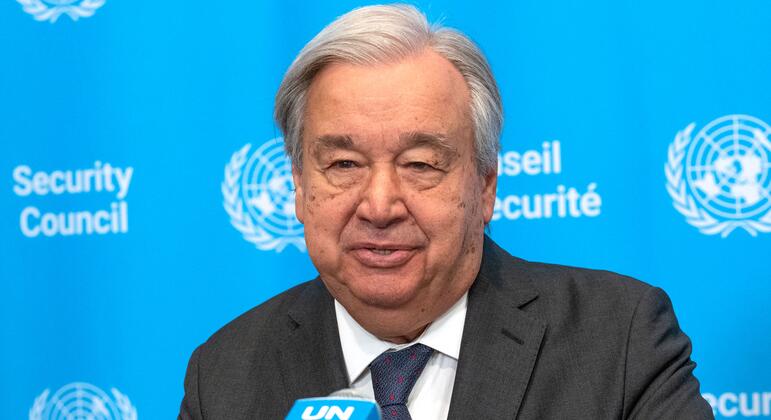
In the wake of escalating tensions in the Middle East, UN Secretary-General António Guterres has emphasized the urgent need for diplomacy over military escalation. His remarks come as conflict intensifies in the region, drawing international attention and concern. This article explores Guterres’ call for diplomatic efforts, the implications of continued escalation, and potential pathways toward peace in the Middle East.
Understanding the Current Situation
Background of the Conflict
The Middle East has been a hotbed of conflicts for decades, characterized by geopolitical rivalries, historic grievances, and ongoing violence. Nations and factions within the region have witnessed cycles of escalation, often triggered by territorial disputes, ideological differences, and external interventions.
Recent Developments
Recent developments have intensified the conflict, with military actions resulting in civilian casualties and humanitarian crises. The international community is responding with calls for restraint, yet the situation remains volatile, underscoring the need for an urgent diplomatic response.
Guterres’ Call for Diplomacy
Importance of Diplomatic Engagement
In a time when military solutions seem tempting, Guterres has reiterated the importance of diplomatic channels. He argues that dialogue is essential for de-escalating tensions and finding a sustainable solution. Diplomacy not only helps to address immediate grievances but also lays the groundwork for long-lasting peace.
Advocating for a Multilateral Approach
Guterres advocates for a multilateral approach, urging nations to engage not only with regional stakeholders but also with global powers. These discussions can facilitate a more comprehensive understanding of the complexities in the region, moving beyond simple binary narratives.
The Consequences of Escalation
Humanitarian Impact
Escalation in military actions has devastating consequences for civilians. The humanitarian cost of wars is immeasurable, with displaced families, children suffering from malnutrition, and healthcare systems overwhelmed. By prioritizing diplomacy, leaders can mitigate these dire outcomes.
Global Security Concerns
The ramifications of conflict in the Middle East extend beyond regional borders. Increased instability can lead to global security threats, including terrorism, refugee crises, and economic instability. Addressing these issues requires cooperative international diplomacy and engagement.
The Role of International Organizations
United Nations and Peacekeeping Efforts
The United Nations plays a vital role in mediating conflicts, providing humanitarian aid, and facilitating peacekeeping missions. Its involvement can help foster dialogue among conflicting parties, helping to alleviate tensions and bring about a peaceful resolution.
Encouraging Member States to Take Action
Guterres highlights the responsibility of member states to support international efforts for peace. By rallying behind diplomatic initiatives and participating in negotiations, nations can help to create a more stable environment in the Middle East.
Building a Framework for Peace
Strengthening Local Governance
A sustainable peace framework requires strengthening local governance structures. Empowering community leaders and fostering inclusive political processes can help address root causes of conflicts and promote stability.
Economic Collaboration
Economic initiatives can serve as vital tools for peacebuilding. By promoting trade and investment among Middle Eastern countries, stakeholders can create interdependencies that encourage cooperative behavior, making conflict less likely.
Engaging Youth and Civil Society
The Power of Grassroots Movements
Youth and civil society play a crucial role in promoting peace and reconciliation. Engaging these groups can create a foundation for change, fostering dialogue among diverse communities and providing opportunities for collaboration.
Promoting Education and Awareness
Education is essential for building a culture of peace. By promoting awareness of different perspectives and fostering mutual respect, future generations can be equipped to handle conflicts more constructively.
Conclusion
Guterres’ call for diplomacy over escalation in the Middle East is not only timely but crucial for fostering peace in a volatile region. The international community must come together to prioritize dialogue, promote cooperation, and address the underlying issues that fuel conflict. Only through sustained diplomatic efforts can we hope to achieve a lasting resolution to the challenges facing the Middle East. The time for action is now, and it is imperative that leaders choose diplomacy over escalation.
Call to Action
As citizens and global stakeholders, we should support diplomatic initiatives and advocate for policies that promote peace. By raising awareness, participating in discussions, and holding leaders accountable, we can contribute to the movement for a more peaceful and stable Middle East.
This article provides a comprehensive overview of the urgent situation in the Middle East, emphasizing the importance of diplomacy over military escalation. SEO strategies such as keyword optimization, varied headings, and succinct paragraphs enhance its visibility online, ensuring that it reaches a wider audience.
For more details and the full reference, visit the source link below:
Read the complete article here: https://news.un.org/feed/view/en/story/2026/04/1167299