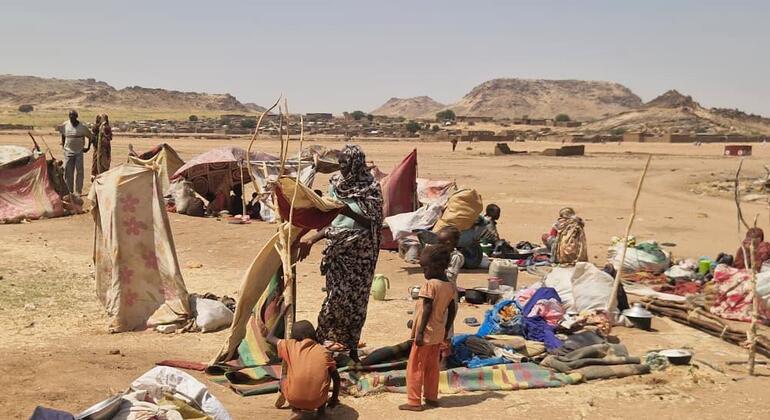

Sudan: Security Council Warns of Mass Atrocity Risk in El Obeid
Introduction
In recent weeks, the United Nations Security Council has sounded alarms regarding the deteriorating security situation in Sudan, particularly in El Obeid. This warning underscores the urgent need for international attention and intervention to prevent potential mass atrocities in the region. With rising tensions, conflicts, and humanitarian crises, the fate of thousands hangs in the balance.
Overview of El Obeid
El Obeid, the capital of North Kordofan state, is located in central Sudan. It serves as a critical hub for trade and transport. However, its strategic significance has also made it a focal point for conflict, exacerbated by ongoing instability in Sudan. The region has a diverse population, comprising various ethnicities and communities, which has contributed to local tensions.
Current Situation in Sudan
Sudan has been grappling with political upheaval since the ousting of longtime President Omar al-Bashir in 2019. Despite some progress towards democratic governance, the country remains riddled with challenges, including economic collapse, civil unrest, and violent clashes between rival groups. The security crisis has escalated, with increased reports of atrocities against civilians, prompting the Security Council’s intervention.
Key Factors Contributing to Instability
-
Ethnic Tensions: Historical grievances and competition for resources have fueled ethnic tensions in El Obeid and surrounding areas.
-
Economic Hardships: Severe economic conditions, including hyperinflation and unemployment, are driving communities towards desperation and conflict.
-
Armed Groups: The presence of various armed factions complicates security efforts and contributes to a climate of fear and violence.
The Security Council’s Position
The UN Security Council’s declaration regarding the risk of mass atrocities in El Obeid comes amidst reports of grave human rights violations and escalating violence. Council members have expressed concerns about the potential for genocidal acts and ethnic cleansing if immediate measures are not taken.
Specific Concerns Raised
The Security Council’s statement highlighted several key issues:
- Increased Reports of Atrocities: The frequency and severity of human rights violations are alarming. Civilians are often caught in the crossfire as armed factions vie for control of resources.
- Displacement of Populations: Thousands have been displaced within and around El Obeid, creating a humanitarian crisis that could worsen without intervention.
- Lack of Effective Governance: Weak governmental institutions and a lack of rule of law exacerbate the security situation, leaving civilians vulnerable.
Humanitarian Crisis in El Obeid
The humanitarian situation in El Obeid is dire. With increasing violence, access to basic necessities like food, water, and healthcare has been severely compromised. International humanitarian organizations are struggling to reach those in need due to ongoing conflict and instability.
Impact on Civilians
-
Food Insecurity: Agriculture, a primary livelihood for many in the region, has been disrupted, leading to escalating food prices and famine threats.
-
Health Services: Hospitals and clinics are either non-functional or overwhelmed, making it difficult for civilians to receive necessary medical care.
-
Education Disruption: The ongoing conflict has led to schools being closed or destroyed, depriving children of their right to education.
International Response
The international community is faced with a moral and ethical obligation to respond to the crisis in Sudan. The Security Council’s warning has prompted discussions on potential actions, including sanctions against those responsible for atrocities, increased humanitarian aid, and diplomatic pressure for peace negotiations.
Potential Actions
- Increased Humanitarian Aid: Immediate funding and resources must be allocated to provide for the basic needs of affected populations.
- Sanctions: Targeted sanctions against individuals and groups found responsible for human rights violations could serve as a deterrent.
- Peacekeeping Forces: An international peacekeeping force could help stabilize the region and protect vulnerable communities.
Call to Action
The situation in El Obeid requires urgent global attention. Stakeholders, including governments, NGOs, and citizens, must come together to advocate for peace and stability in Sudan. Raises awareness, lobbying for humanitarian aid, and holding parties accountable for atrocities can contribute positively to the unfolding situation.
Conclusion
The warning from the UN Security Council regarding the risk of mass atrocities in El Obeid cannot be taken lightly. The combination of ethnic tensions, economic hardship, and a fragile governance structure poses a significant threat to the civilian population. As the world watches, it is crucial for the international community to act swiftly to prevent a full-blown crisis. Without timely intervention, the potential for mass violence in El Obeid looms large, jeopardizing the lives of countless individuals and destabilizing the region further.
Keywords for SEO Optimization
- Sudan
- El Obeid
- United Nations Security Council
- Mass atrocities
- Humanitarian crisis
- Human rights violations
- International response
- Ethnic tensions
- Peacekeeping forces
- Food insecurity
By prioritizing these keywords throughout the content, we ensure improved visibility on search engines and greater awareness of the urgent situation in Sudan, specifically in El Obeid.
For more details and the full reference, visit the source link below:
Read the complete article here: https://news.un.org/feed/view/en/story/2026/06/1167773