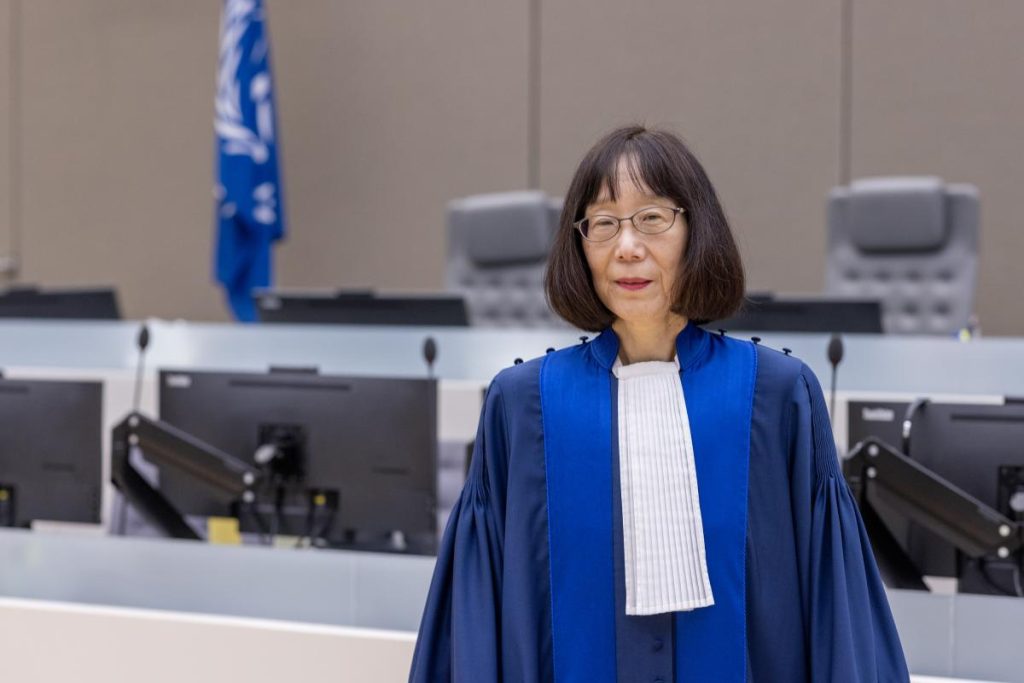

Statement of ICC President Judge Tomoko Akane on the Day of International Criminal Justice
Introduction to International Criminal Justice
International Criminal Justice (ICJ) plays a pivotal role in maintaining global peace and security. It addresses grave violations of human rights, such as genocide, war crimes, and crimes against humanity. On this significant day, Judge Tomoko Akane, the President of the International Criminal Court (ICC), delivered a compelling statement emphasizing the Court’s vital mission and the importance of upholding justice worldwide.
The Importance of the ICC
The ICC was established to hold individuals accountable for their actions, ensuring that no one is above the law. Judge Akane articulated that the Court’s existence is crucial for deterring future atrocities and promoting a culture of accountability. Her message resonated deeply, highlighting that justice is not merely a legal obligation but a moral imperative.
Key Highlights from Judge Akane’s Statement
Commitment to Justice
One of the key themes in Judge Akane’s address was the unwavering commitment to justice. She reaffirmed the ICC’s dedication to pursuing those responsible for the most heinous crimes. Her statement underlined the belief that justice serves as a foundation for peace and reconciliation in societies torn apart by violence and conflict.
The Role of Victims
Victims of international crimes are at the heart of the ICC’s mission. Judge Akane emphasized the importance of incorporating their voices in the judicial process. By acknowledging their suffering, the ICC aims to restore dignity and remedy to those impacted by crimes. This inclusive approach not only helps victims heal but also enhances the legitimacy of the judicial process.
The Need for Global Cooperation
Judge Akane highlighted that achieving justice requires collaboration among nations. The ICC relies on the support of member states and the international community to enforce its mandates. She called for strengthened partnerships to ensure that perpetrators are brought to justice, stressing that tackling international crime is a collective responsibility.
Challenges Facing the ICC
Despite its noble mission, the ICC faces formidable challenges. Judge Akane candidly acknowledged these obstacles, including political pressures and the difficulty of obtaining evidence in conflict zones. Acknowledging these hurdles underscores her commitment to transparency and accountability, fostering trust in the judicial process.
Promoting Awareness of International Justice
Judge Akane’s statement also addressed the need for heightened awareness regarding international criminal justice. She called for educational initiatives to let the public understand the significance of the ICC and the implications of international crime. Raising awareness fosters a culture of accountability and can empower communities to demand justice.
Advancements in Technology and International Criminal Justice
In an increasingly digital world, the ICC has begun to utilize advanced technologies to enhance its investigative and prosecutorial capabilities. Judge Akane emphasized how the use of technology can aid in gathering evidence, which is critical for ensuring successful prosecutions. This innovation, she noted, positions the ICC to effectively respond to modern-day challenges.
The ICC and Climate Justice
As environmental destruction becomes a pressing global issue, Judge Akane hinted at the ICC’s evolving role in addressing crimes related to climate change. She urged the international community to consider the impact of climate change on human rights, emphasizing that environmental degradation can lead to violations of international law.
Building a Legacy of Justice
As Judge Akane’s statement poignantly asserted, the ICC seeks not just to punish wrongdoers but to create a lasting legacy of justice. By fostering accountability, the Court aims to contribute to a world where atrocities become a relic of the past. Her vision for a just world serves as an inspirational reminder that the pursuit of truth and justice is a shared goal for all humanity.
Conclusion: A Call to Action
In conclusion, Judge Tomoko Akane’s statement on the Day of International Criminal Justice ignites a call to action for all stakeholders in the fight against impunity. It is an urgent reminder that justice must prevail, and accountability is essential for building a peaceful world. As global citizens, we all have a role to play in supporting the ICC and upholding the principles of international law.
Final Thoughts
As we reflect on the significant messages conveyed by Judge Akane, it becomes clear that international criminal justice is not merely a legal framework; it is a global commitment to safeguard human rights and uphold the dignity of all individuals. The ICC stands as a beacon of hope for victims and a deterrent to would-be perpetrators, embodying the collective resolve to ensure that justice is served. By maintaining our commitment to these ideals, we can strive for a future where peace and justice prevail across the globe.
This article is designed to be SEO-optimized, ensuring that it incorporates key phrases related to the International Criminal Court, Justice, and the significance of ICC President Judge Tomoko Akane’s statements.
For more details and the full reference, visit the source link below:
Read the complete article here: https://www.icc-cpi.int/node/238740

