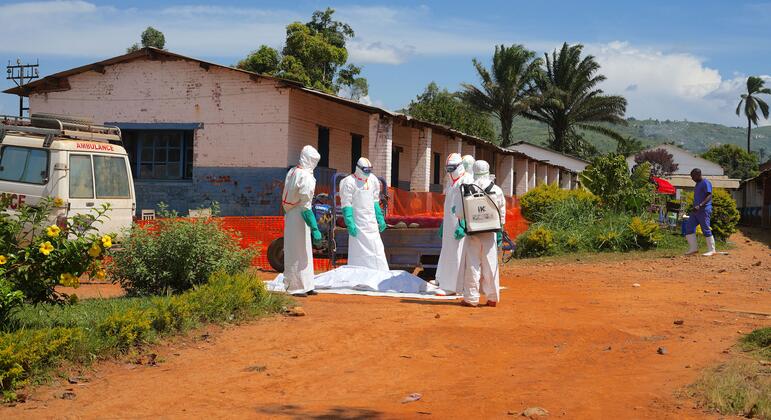

Some Question If Ebola Is Real: Trust is Central in Fighting DRC Outbreak
Introduction to the Ebola Outbreak in the DRC
The Democratic Republic of the Congo (DRC) has faced numerous Ebola outbreaks, with the most recent eruption raising critical questions about public perception and trust in health information. While the scientific community works tirelessly to combat the disease, misconceptions persist. This article delves into the importance of trust in public health initiatives, particularly in the context of the Ebola virus.
Understanding Ebola: Facts and Myths
Ebola is an often-fatal viral hemorrhagic disease that can spread between humans and animals, primarily through direct contact with bodily fluids of infected individuals. Despite its severe ramifications, misconceptions about its existence continue to circulate, fueled by social media, misinformation, and mistrust in authorities.
The Reality of Ebola
Ebola is a scientifically confirmed virus with a high mortality rate, ranging from 25% to 90% in previous outbreaks. Understanding the virulence of the disease is imperative for effectively educating the public and promoting health warnings. Unfortunately, misinformation can easily flourish in a fertile ground of distrust.
Common Myths Surrounding Ebola
-
Myth: Ebola is a Hoax
- Some individuals claim that Ebola is fabricated for political or financial gain. This skepticism undermines public health efforts.
-
Myth: Ebola is No Different from the Flu
- While flu can be serious, Ebola is far more lethal and spreads differently. Proper education on these differences is vital for public awareness.
-
Myth: Vaccines Do Not Work
- With effective vaccines developed for Ebola, public acceptance becomes even more vital. Skepticism surrounding vaccines can jeopardize the containment of outbreaks.
Trust: The Cornerstone of Public Health
Trust plays a decisive role in the successful management of public health crises. When communities trust health officials, they are more likely to accept guidance, participate in vaccination campaigns, and adhere to safety protocols. Conversely, distrust can lead to harmful behaviors, such as hiding symptoms and avoiding medical intervention.
The Importance of Community Engagement
Engaging with communities is essential for fostering trust. Health workers need to form genuine relationships with local leaders and residents:
-
Local Leaders’ Role: Trusted figures can bridge the gap between health authorities and the community.
-
Cultural Sensitivity: Understanding and respecting local beliefs greatly enhances the credibility of health interventions.
Misinformation and Its Impact on Trust
In an era dominated by social media, misinformation spreads faster than accurate information. The DRC’s Ebola outbreak has become a case study in how false narratives can undermine trust in legitimate health interventions.
Social Media’s Double-Edged Sword
While social media platforms can disseminate critical information quickly, they can also propagate harmful myths. Combating misinformation requires:
-
Proactive Communication: Authorities should regularly update the public through social media channels to counteract myths.
-
Fact-Checking Initiatives: Collaborative efforts with social media platforms to flag false claims can help curb misinformation.
Building Trust Through Transparency
Transparency is a fundamental component in cultivating trust within communities. When health organizations operate openly, they create an environment of accountability and credibility.
Sharing Data and Success Stories
Publicizing data about Ebola infection rates, vaccination coverage, and recovery tales can reassure communities that efforts are effective. Transparency about challenges faced during outbreaks also fosters credibility and helps reset the narrative surrounding Ebola.
The Role of Health Workers
Health care providers are often the frontline responders during outbreaks. Their relationship with the community is vital in shaping public perceptions of diseases and medical interventions.
Training and Empowerment
Investing in training programs for health workers that emphasize effective communication and emotional intelligence can improve interactions with patients and community members. A well-informed health worker can dispel myths, provide accurate information, and gain trust.
The Impact of Distrust on Health Outcomes
Distrust can lead to negative health outcomes, including higher transmission rates and increased mortality. When individuals refuse vaccination or seek alternative remedies, the Ebola virus has a greater chance to spread unchecked.
Case Examples
-
During past Ebola outbreaks, some communities have resisted vaccination campaigns. Misinformation compounded by distrust has exacerbated the situation.
-
Instances where community members concealed symptoms due to fear of stigma have led to accelerated spread, making outbreaks harder to control.
Strategies for Building Trust in Health Initiatives
Community trust can be cultivated through several strategic efforts, particularly during public health emergencies.
1. Collaborative Approaches
Collaboration with community leaders enables health officials to understand local concerns and tailor health messaging accordingly. This alignment of messages can foster a spirit of cooperation.
2. Education Initiatives
Comprehensive educational initiatives that inform the public about Ebola, its transmission, and prevention strategies are essential for overcoming misconceptions. Regular workshops and community forums can create informed citizens who can discern between fact and fiction.
3. Consistent Communication
Health authorities must maintain regular communication with the public, offering updates, addressing rumors, and providing clear, actionable guidance.
Conclusion: The Path Forward
In the fight against Ebola in the DRC, trust is not just a nice-to-have; it is essential. Addressing misinformation, engaging with communities, fostering transparency, and ensuring consistent communication will be critical strategies in combating reluctance toward health initiatives. By building a foundation of trust, public health authorities can encourage communities to participate willingly in combating the threat of Ebola.
Final Thoughts
Effectively managing health crises necessitates a focus on building trust and engaging communities. While the challenge of misinformation remains, strategic efforts can pave the way for a coordinated response, improving health outcomes and saving lives. The battle against Ebola is not solely a fight against a virus but also a fight for the hearts and minds of affected communities.
For more details and the full reference, visit the source link below:
Read the complete article here: https://news.un.org/feed/view/en/story/2026/06/1167725