
Somalia at ‘Real Risk of Famine’: The Middle East War’s Fallout
The situation in Somalia has reached a critical juncture as the ongoing conflicts in the Middle East reverberate throughout the region. The repercussions of these wars have filtered down to some of the most vulnerable populations, leading to dire humanitarian crises, threatening millions with famine. This article explores the factors contributing to Somalia’s precarious position, the implications of regional conflicts, and potential solutions to avert a humanitarian disaster.
Understanding the Famine Threat in Somalia
The United Nations has repeatedly warned that Somalia is at an alarming risk of famine. The country, beset by drought, poverty, and political instability, has been struggling with food insecurity for years. The conflict in the Middle East adds yet another layer of complexity to an already fragile situation.
Drought and Food Insecurity
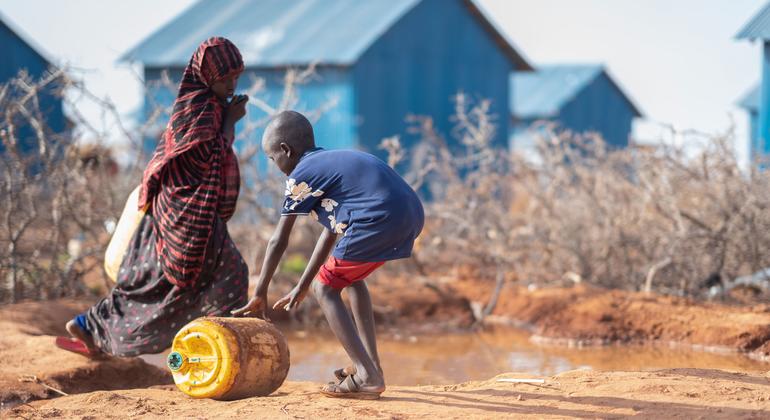
Somalia has a long history of drought, which severely impacts agricultural productivity. Recent climatic patterns have led to insufficient rainfall, causing crops to fail and livestock to perish. As the country relies heavily on agriculture for sustenance and income, these factors significantly contribute to food scarcity.
Economic Strain from Regional Conflicts
The ongoing conflicts in the Middle East, particularly in places like Yemen and Syria, have global repercussions. The rising prices of fuel and food commodities due to geopolitical tensions directly affect Somalia’s fragile economy. As import costs rise, local markets struggle to provide basic necessities.
The Ripple Effect of Middle East Wars
Increased Refugee Influx
The wars in the Middle East have caused a significant displacement crisis. As people flee conflict zones, many are seeking refuge in countries like Somalia, already dealing with its challenges. This influx of refugees further strains the limited resources available, exacerbating food insecurity and economic pressures.
Supply Chain Disruptions
The fighting in the Middle East has disrupted global supply chains. As oil prices rise, transportation costs for goods—including food—skyrocket. Given that Somalia imports a substantial portion of its food, these increased costs lead to higher prices at local markets, making essential goods unaffordable for many Somalis.
International Aid Challenges
Humanitarian organizations rely heavily on stable international conditions to deliver aid effectively. However, the distractions and resource reallocations caused by conflicts in the Middle East have severe implications for the flow of aid into Somalia. With many nations engaged in wars elsewhere, funding and supplies for Somalia are dwindling.
Political Instability in Somalia
Weak Governance
The political landscape in Somalia has been tumultuous, with ongoing conflicts between the federal government and various militant groups. This instability hinders the effective distribution of aid and creates an environment where corruption can thrive, further complicating the humanitarian response.
Lack of Infrastructure
Years of civil unrest have left Somalia’s infrastructure in ruins. Poor roads and insufficient transport facilities make it challenging to deliver food and medical supplies to the most affected areas. This lack of infrastructure also hampers economic development, contributing to the cycle of poverty.
The Humanitarian Impact
Malnutrition Rates on the Rise
Due to the compounding factors of drought, rising food prices, and political instability, malnutrition rates in Somalia are escalating. Children are among the worst affected, with severe acute malnutrition rates reaching alarming levels. Without immediate intervention, thousands are at risk of death.
Mental Health Struggles
The psychological impact of persistent conflict, displacement, and food insecurity cannot be understated. Many Somalis experience trauma and mental health issues, which can adversely affect community resilience and hinder recovery efforts.
Solutions: A Call to Action
Strengthening Governance and Stability
To combat famine effectively, Somalia must focus on strengthening its governance structures. This involves creating a stable political environment that can facilitate effective aid distribution and agricultural development.
Increasing Agricultural Investment
Investing in agriculture is crucial to reducing food insecurity in Somalia. International donors and aid organizations should prioritize agricultural projects that improve irrigation systems, provide farmers with sustainable practices, and enhance local food production.
Expanding Humanitarian Aid
Humanitarian agencies need increased funding and support to provide immediate relief. This includes not only food aid but also medical support, mental health resources, and nutrition programs to tackle malnutrition.
Addressing Climate Change
Mitigating the effects of climate change is essential for Somalia’s long-term survival. Efforts should be made to adopt sustainable agricultural practices, promote water conservation, and reinvest in natural resources management.
The Role of the International Community
Collaboration is Key
The international community must collaborate effectively to respond to Somalia’s needs. This involves not just providing immediate relief but also long-term strategies for stability and economic development.
Advocacy and Awareness
Raising awareness about the plight of the Somali people is crucial for garnering international support. Advocacy groups must work tirelessly to shine a light on the realities of famine risk and the need for immediate action.
Fair Trade Practices
Addressing the root causes of Somalia’s economic challenges involves promoting fair trade practices. Supporting local businesses and fostering ethical trading environments can help stabilize the economy.
Conclusion: A Call for Urgency
Somalia stands at a precipice; the danger of famine is more pronounced than ever due to the multifaceted challenges of drought, economic crises, and the fallout from conflicts in the Middle East. As we unpack these layers of complexity, it becomes clear that immediate action is needed. Governments, NGOs, and individuals globally must unite to ensure that humanitarian aid reaches those in desperate need. The stakes are high; without prompt intervention, millions in Somalia face an uncertain future.
Now is the time to act—to stand in solidarity with the Somali people and to confront the risk of famine and despair with urgency, compassion, and strategic planning. Together, we can work towards a more secure future for Somalia and its resilient population.
For more details and the full reference, visit the source link below:
Read the complete article here: https://news.un.org/feed/view/en/story/2026/05/1167516