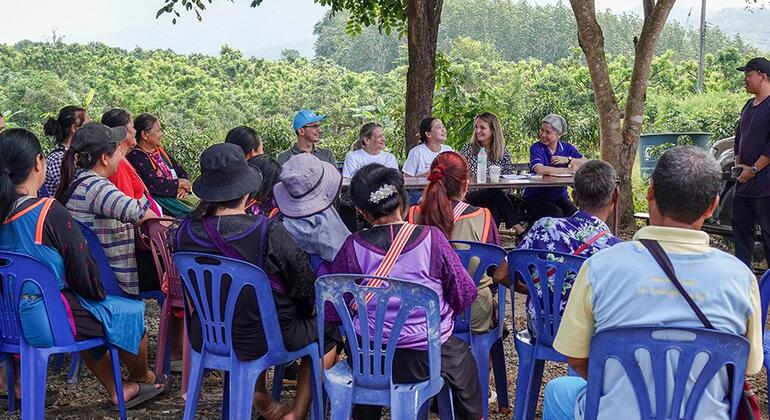

Security Council LIVE: Turning Preventive Diplomacy Rhetoric into Action
Introduction
In an increasingly interconnected world, the need for effective diplomatic engagement has never been more crucial. This article delves into the United Nations Security Council (UNSC) and explores strategies for transitioning preventive diplomacy rhetoric into tangible action. By analyzing current frameworks and offering new insights, we aim to shed light on how the international community can foster peace and security.
Understanding Preventive Diplomacy
What is Preventive Diplomacy?
Preventive diplomacy refers to the initiatives undertaken to prevent disputes from escalating into violent conflicts. This includes political dialogue, mediation, and the deployment of peacekeeping missions. The primary objective is to address underlying tensions through diplomatic means before they spiral into larger crises.
The Importance of Preventive Diplomacy
Preventive diplomacy acts as a cost-effective strategy for maintaining peace and stability. By addressing issues at their roots, the international community can save lives, reduce human suffering, and avoid the extensive costs associated with military interventions.
Current Rhetoric: The Gap Between Words and Action
The Security Council’s Role
The UNSC is charged with maintaining international peace and security. However, the frequent gap between rhetoric and action has drawn criticism from various stakeholders. While preventive diplomacy is often discussed, concrete measures are frequently lacking.
Identifying the Challenges
Several factors hinder the effectiveness of preventive diplomacy, including:
- Power Dynamics: The interests of permanent members often take precedence, leading to stalemates in decision-making.
- Lack of Resources: Insufficient funding and personnel limit the ability to implement preventive measures effectively.
- Inadequate Communication: Poor coordination between international organizations, states, and non-governmental actors results in fragmented approaches.
Strategies for Action: Bridging the Gap
Strengthening Multilateral Cooperation
One of the essential steps in turning rhetoric into action is enhancing multilateral cooperation. Countries must work together to develop unified strategies that prioritize preventive diplomacy.
Key Actions:
- Joint Initiatives: Facilitate cooperative programs between member states that focus on training diplomats in preventive strategies.
- Building Coalitions: Form alliances with regional organizations to ensure localized approaches to conflict prevention.
Increasing Transparency and Accountability
Transparency in the actions and decisions of the UNSC is crucial for accountability. Greater openness can foster trust among member states, enhancing cooperation.
Key Actions:
- Regular Reporting: Encourage the UNSC to release regular communication on preventive diplomacy efforts and outcomes.
- Involvement of Civil Society: Engage civil society organizations in discussions and decision-making processes about preventive measures.
Focusing on Data-Driven Approaches
Utilizing data analytics can provide valuable insights into potential conflicts and areas needing intervention. By focusing on evidence-based strategies, the UNSC can make informed decisions.
Key Actions:
- Conflict Early Warning Systems: Develop systems that use data to analyze trends and predict potential conflict areas.
- Impact Assessment: Regularly evaluate the effectiveness of implemented preventive measures to refine approaches.
The Role of Technology in Preventive Diplomacy
Leveraging Digital Tools
The digital age offers new opportunities for conflict prevention. Technology can enhance communication, data collection, and analysis.
Key Actions:
- Online Platforms for Dialogue: Utilize digital platforms to facilitate dialogue among conflicting parties.
- Social Media Monitoring: Monitor social media for early signs of unrest and address issues proactively.
Enhancing Communication Channels
Establishing robust communication channels among stakeholders is fundamental for effective preventive diplomacy.
Key Actions:
- Improved Information Sharing: Develop systems that encourage sharing information about potential conflicts between states and organizations.
- Crisis Communication Plans: Create unified communication strategies for timely dissemination of information during crises.
Training and Capacity Building
Investing in Human Capital
Investing in diplomatic training is vital to equip diplomats and peacekeepers with the skills necessary for effective preventive diplomacy.
Key Actions:
- Diplomatic Training Programs: Establish programs focusing on negotiation, conflict resolution, and cultural sensitivity.
- Simulation Exercises: Conduct regular exercises that simulate crisis situations to prepare diplomats for real-life scenarios.
Engaging Young Leaders
Involving the next generation of leaders can inject fresh perspectives into preventive diplomacy efforts.
Key Actions:
- Mentorship Programs: Pair young diplomats with seasoned professionals to foster knowledge transfer and skill development.
- Youth Forums: Create platforms that allow young voices to contribute to discussions about peace and security.
Conclusion
A Call to Action
Preventive diplomacy is a critical tool for maintaining international peace and security. However, to transform rhetoric into action, concerted efforts are needed from the UNSC, member states, and civil society. By implementing the strategies outlined above, the international community can enhance its preventive diplomacy efforts and foster a more stable world.
Final Thoughts
While challenges exist, the commitment to preventive diplomacy must not waver. Collective action, transparency, and innovation will enable the global community to live up to its ideals and prevent the horrors of conflict. Now is the time to act and turn preventive diplomacy rhetoric into meaningful change.
For more details and the full reference, visit the source link below:
Read the complete article here: https://news.un.org/feed/view/en/story/2026/07/1168005


