
Gaza’s Food Gains Could Unravel Without Sustained Aid, UN Warns
Introduction
Gaza, a coastal enclave facing recurring conflicts and economic challenges, has experienced notable improvements in food security in recent years. However, the United Nations (UN) has issued stark warnings that these gains could be easily reversed without sustained humanitarian aid. This article explores the current food situation in Gaza, the threats it faces, and the importance of ongoing support.
The Context of Food Security in Gaza
Food security refers to the accessibility, availability, and utilization of food. In Gaza, this issue has been exacerbated by political instability, economic restrictions, and recurrent conflicts. The region has long grappled with high poverty rates and unemployment, which further complicate efforts to ensure that all residents have access to sufficient, safe, and nutritious food.
Recent Gains in Food Security
Over the past few years, several initiatives have been implemented to improve food security in Gaza. The UN’s Food and Agriculture Organization (FAO) and other local and international organizations have worked diligently to provide humanitarian assistance, support local farmers, and improve access to nutritious foods.
-
Increased Agricultural Production: Innovative farming techniques and the promotion of local produce have led to increased agricultural yields. Farmers are finding new ways to grow crops despite the challenging circumstances.
-
Nutritional Programs: Programs aimed at improving nutrition, especially for children and nursing mothers, have seen success. These initiatives focus on educating families about healthy eating and providing them with access to essential nutrients.
-
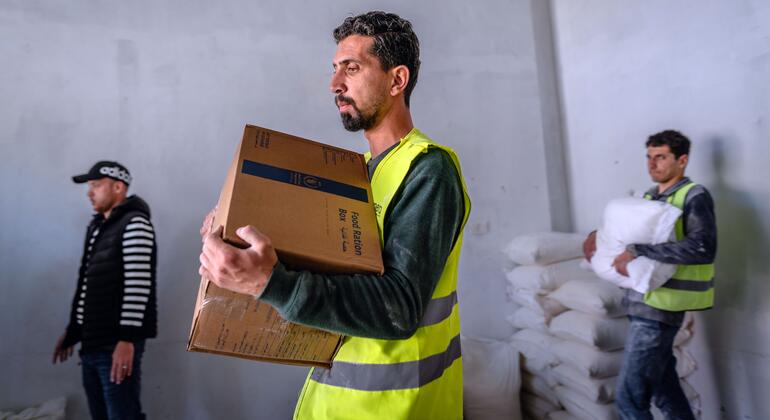
International Aid: The UN and various NGOs have played a crucial role in providing food aid, which has been instrumental in stabilizing the food situation in Gaza.
Threats to Food Security
Despite the positive developments, the UN warns that without sustained support, these gains could quickly diminish. Several factors contribute to the precarious situation:
-
Ongoing Blockades and Restrictions: The blockade on Gaza restricts the flow of goods, including food and agricultural supplies. This not only increases prices but also limits the availability of essential items.
-
Economic Challenges: The high unemployment rate and poverty levels put immense pressure on households, making it difficult for families to afford nutritious food. The lack of employment opportunities exacerbates food insecurity.
-
Climate Change: Environmental factors, including climate change, pose serious threats to agricultural productivity. Gaza faces issues like water scarcity and soil degradation, which could negatively affect farm outputs.
-
Dependence on Aid: The influx of aid has temporarily alleviated food insecurity, but the region’s reliance on humanitarian assistance is concerning. Without sustainable economic development, the cycle of dependence may continue.
The Role of International Aid
The UN and various organizations emphasize that continued international aid is essential for maintaining food security in Gaza. This assistance can take several forms:
-
Emergency Food Assistance: Providing immediate food aid during crises ensures that vulnerable populations do not go hungry.
-
Support for Local Agriculture: Investing in local farmers and agricultural infrastructure can help build resilience and improve long-term food security.
-
Nutritional Support Programs: These programs are vital in ensuring that children and vulnerable groups receive the necessary nutrients for healthy development.
The Need for Sustainable Solutions
While immediate aid is crucial, the focus should also shift to creating sustainable solutions for Gaza’s food security challenges. This can be achieved through:
-
Economic Development: Supporting local businesses and creating job opportunities can significantly reduce poverty and improve food accessibility.
-
Training and Education: Providing farmers with training on sustainable agricultural practices can help them adapt to changing environmental conditions and improve productivity.
-
Community Engagement: Involving local communities in decision-making processes can ensure that interventions are tailored to their specific needs and realities.
Conclusion: A Call to Action
The recent improvements in food security in Gaza are commendable but fragile. The UN’s warning underscores the urgent need for sustained international support to ensure that these gains do not unravel. As the situation stands, the future of food security in Gaza depends on a coordinated response that addresses immediate humanitarian needs and invests in sustainable development solutions. It is essential for the global community to act decisively, ensuring that the people of Gaza can enjoy a stable and secure food environment.
Frequently Asked Questions (FAQs)
Q1: What is the current food security status in Gaza?
The food security status in Gaza has improved due to various initiatives, but it remains precarious due to ongoing conflicts and economic challenges.
Q2: Why is international aid crucial for Gaza’s food security?
International aid helps to alleviate immediate food shortages and supports longer-term agricultural and economic development initiatives.
Q3: What are the primary challenges to food security in the region?
The primary challenges include economic blockades, high unemployment, poverty, and climate change impacts on agriculture.
Q4: How can individuals help improve food security in Gaza?
Individuals can contribute by supporting organizations that promote sustainable development and humanitarian aid efforts in Gaza.
By focusing on both immediate needs and long-term strategies, we can work towards a more food-secure future for Gaza. The time to act is now.
For more details and the full reference, visit the source link below:
Read the complete article here: https://news.un.org/feed/view/en/story/2026/07/1168006