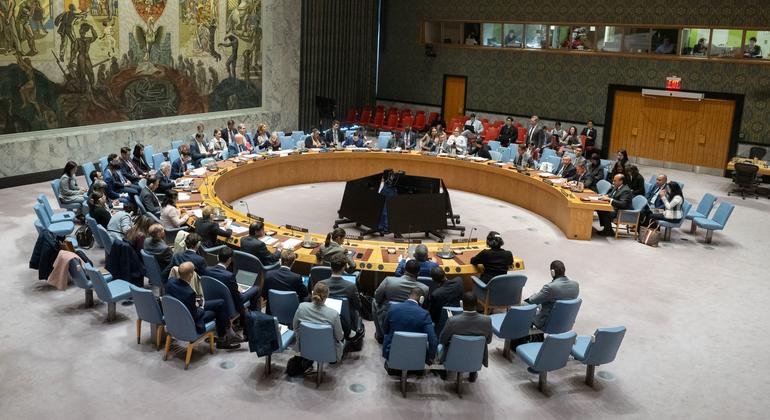

Security Council LIVE: Concerns Grow Over Nuclear Safety After UAE Drone Strike
The Security Council met recently to address escalating tensions in the Middle East, particularly focusing on the implications of a drone strike reportedly conducted by the UAE. This event has raised significant concerns regarding nuclear safety in the region. Here we delve into the details, implications, and the international response surrounding these developments.
Overview of the Situation
The drone strike carried out by the UAE has intensified fears within the international community regarding nuclear safety protocols in the Middle East. This incident comes against the backdrop of ongoing geopolitical conflicts, particularly involving Iran, which has pursued nuclear technology under the guise of civilian energy while some nations suspect it harbors intentions for weaponization.
Background on the UAE Drone Strike
Details surrounding the drone strike emphasize the seriousness of the situation. The UAE has increasingly engaged in military operations, often under the pretense of counter-terrorism. The recent strike has drawn attention not only for its immediacy but also for its potential ramifications on regional stability. Understanding the context of this strike is vital in discussing nuclear safety and international security.
Nuclear Safety Concerns
Potential Risks Involved
The Security Council’s focus lies heavily on the repercussions of military actions near nuclear facilities. The drone strike raises multifaceted concerns regarding nuclear safety, including:
-
Physical Damage: There’s a high risk that military actions could inadvertently damage nuclear facilities. Such incidents could lead to radioactive leaks or meltdowns, potentially affecting millions of lives.
-
Escalation of Tensions: Military strikes like these could lead to retaliatory actions from nations with vested interests in nuclear facilities, particularly Iran. Escalatory cycles could result in broader conflicts, further destabilizing the region.
-
Lack of Protocols: Many Middle Eastern countries lack robust safety protocols equivalent to those in place in more developed regions. This raises questions about preparedness in the face of military aggression.
Global Implications
As nations engaged in these conflicts have deliberated deeply on nuclear technology, repercussions extend beyond regional implications. International concern is heightened, as nuclear incidents can have far-reaching environmental and health impacts.
International Response and Security Council Actions
Security Council’s Immediate Reactions
The Security Council convened to address the situation promptly, reflecting the urgency of maintaining nuclear safety. Various nations expressed their concerns, emphasizing the importance of dialogue over military engagements. The resolution proposed aims at:
-
Immediate De-escalation: Urging all parties to cease military actions that threaten nuclear sites.
-
Enhanced Monitoring: Suggesting international oversight of nuclear facilities in the region to ensure adherence to safety protocols.
-
Diplomatic Channels: Encouraging diplomatic efforts to resolve tensions related to nuclear advancements.
Voices from Global Leaders
Global leaders have also weighed in, with many calling for restraint and a focus on peaceful negotiations. Notably, several countries underscored the necessity of collaboration to prevent nuclear proliferation and ensure safety measures are in place.
Long-term Effects on Regional Stability
Shifting Military Dynamics
The recent events can alter power dynamics in the Middle East. Nations may feel pressured to enhance their military capabilities, leading to an arms race. This new military posture can further complicate existing alliances and foster distrust among nations.
Environmental Considerations
There’s an unspoken reality regarding the environmental implications of nuclear safety breaches. The threat of nuclear fallout can severely affect the ecosystem, leading to long-term ecological issues not only within the contested regions but also affecting neighboring countries.
The Role of Diplomacy in Nuclear Awareness
Historical Context of Nuclear Proliferation
Reflecting on the historical context of nuclear development in the Middle East, it is essential to recognize past tensions that have spurred nations to pursue nuclear capabilities. These historical grievances often serve as a basis for current military actions, making diplomatic engagement all the more critical.
Potential Diplomatic Solutions
Efforts to ensure nuclear safety must incorporate:
-
International Treaties: Nations should come together to reinforce treaties that prioritize nuclear disarmament and safety protocols.
-
Increased Collaborations: Establishing multinational collaborative efforts in overseeing nuclear technologies can diminish the risk of unilateral military actions affecting nuclear safety.
The Way Forward: Ensuring Nuclear Safety
Importance of Public Awareness
Public awareness campaigns are crucial in educating citizens about nuclear safety. Engaging communities can build a more informed public that pressures governments to prioritize safety over militarization.
The Role of International Organizations
International organizations can play a significant role in mediating disputes and promoting adherence to nuclear safety regulations. Their involvement could offer a framework in which countries can feel secure enough to negotiate rather than engage militarily.
Conclusion
The UAE drone strike has opened a Pandora’s box of concerns ranging from nuclear safety to regional stability. The global community must mobilize immediately to address these issues, prioritizing dialogue and collaboration over military action. As the Security Council convenes to discuss these pressing matters, it becomes evident that the time for action is now, and the implications of inaction could resonate for generations.
In the words of leaders around the world, “Peace is not merely the absence of war; it is the presence of justice.” Ensuring nuclear safety amidst rising tensions is ultimately a shared global responsibility.
For more details and the full reference, visit the source link below:
Read the complete article here: https://news.un.org/feed/view/en/story/2026/05/1167550