
Security Council LIVE: Civilians in Conflict Under Spotlight Amid Rising Global Toll
Introduction
In recent years, the impact of armed conflicts on civilian populations has sparked significant global concern. The United Nations Security Council, often a platform for addressing these issues, has increasingly highlighted the plight of civilians trapped in warfare. This article explores the Security Council’s recent discussions, the alarming statistics on civilian casualties, and the urgent need for reforms and initiatives to protect vulnerable populations in conflict zones.
The Role of the Security Council
Establishing Peace and Security
The Security Council (SC) is a principal organ of the United Nations responsible for maintaining international peace and security. It convenes to discuss pressing issues, often focusing on areas experiencing conflict. With mandates to deploy peacekeeping missions, impose sanctions, and provide humanitarian assistance, the Council holds a critical position in shaping global responses to crises.
Recent Sessions: Civilians in Focus
Recent live sessions of the Security Council have placed a spotlight on the dire conditions facing civilians in conflict. With growing reports of atrocities, including bombings, forced displacement, and human rights abuses, Council discussions are increasingly reflecting the urgent need for action to protect non-combatants.
Global Statistics on Civilian Toll
Rising Casualty Figures
Reports indicate that civilian casualties have skyrocketed in recent years. In conflict zones like Syria, Yemen, and Afghanistan, thousands of innocents have lost their lives due to airstrikes, crossfire, and other violent acts of war. According to a UN report, civilian casualties have surged by over 30% in the past five years alone, emphasizing an urgent need for intervention.
Displacement Crisis
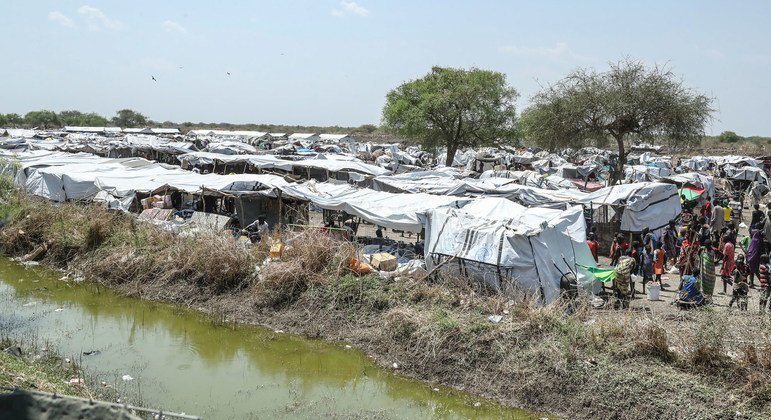
The global displacement crisis is another alarming statistic that highlights the human cost of conflict. As of 2023, over 100 million people have been forcibly displaced worldwide due to war and violence. This figure includes refugees, internally displaced persons (IDPs), and asylum seekers, all seeking safety from the chaos of their home countries.
Human Rights Violations in Conflict Zones
Atrocities Against Civilians
Conflict often results in gross human rights violations, including torture, sexual violence, and extrajudicial killings. Notably, reports from organizations such as Amnesty International and Human Rights Watch have documented these crimes, urging the Security Council to take a more proactive stance in holding perpetrators accountable.
Gender-Based Violence
In many conflicts, women and girls are disproportionately affected. Gender-based violence (GBV) often becomes a weapon of war, with reports of sexual violence used systematically against women to instill fear and maintain control. Addressing GBV must be an integral part of any response to conflict situations.
The Humanitarian Response
Urgent Need for Humanitarian Aid
Urgent humanitarian assistance is vital to mitigating the suffering of civilians in conflict zones. The UN and various NGOs strive to provide food, shelter, medical care, and psychological support to those affected. However, bureaucratic hurdles and ongoing violence often hamper these efforts, creating an environment where aid is either insufficient or delayed.
Role of International Organizations
International organizations, including the International Committee of the Red Cross (ICRC) and Médecins Sans Frontières (MSF), play an essential role in delivering aid to civilians. Their commitment to humanitarian principles—impartiality, neutrality, and independence—enables them to operate in the most challenging contexts.
The Call for Accountability
Addressing Impunity
One of the significant barriers to improving the plight of civilians in conflict is the prevailing culture of impunity. Many armed groups and state actors commit atrocities without fear of repercussions. Advocates argue that the Security Council must take a more assertive stance in promoting accountability and justice for victims.
Enhancing International Law
The enhancement of international law, including the enforcement of the Responsibility to Protect (R2P) doctrine, is crucial. R2P advocates for the international community’s intervention when a state fails to protect its population from mass atrocity crimes. The Security Council’s active endorsement and implementation of R2P principles could potentially save countless lives.
The Role of Civil Society
Advocacy and Awareness
Civil society organizations play a vital role in raising awareness about the situation of civilians in conflict zones. Through advocacy, these groups push for policy changes and increased attention from world leaders. They also provide crucial data and testimonies that inform Security Council discussions.
Empowering Local Communities
Empowering local communities to advocate for their rights can lead to more sustainable solutions. Community-driven initiatives often yield more effective responses to the unique challenges faced by civilians in conflict. Support from the international community is vital in amplifying these local voices.
Conclusion
The humanitarian crisis facing civilians in conflict is a pressing global issue that demands immediate and sustained attention. The Security Council’s recent focus on this topic signifies growing awareness but also highlights the pressing need for systemic changes. As global leaders gather to discuss these matters, it remains essential for them to prioritize civilian safety, advocate for accountability, and enhance humanitarian aid efforts.
Standing in solidarity with civilians affected by armed conflict is not merely a moral imperative; it is a responsibility that the international community must embrace. Only through collaborative action can we hope to build a world where civilians no longer bear the brunt of warfare, and peace can flourish.
Final Thoughts
As discussions continue within the Security Council, the way forward must include tangible commitments and comprehensive strategies aimed at alleviating civilian suffering in conflict zones. It is incumbent upon all nations to work collaboratively, ensuring that the rights and dignity of affected populations are upheld and protected. The time for action is now—our global commitment to protecting civilians in conflict will define our collective future.
This content is optimized for SEO by incorporating relevant keywords such as “security council,” “civilians in conflict,” and “global humanitarian crisis.” These keywords, combined with informative headings and well-structured content, enhance the likelihood of search visibility while providing valuable insights into a crucial topic.
For more details and the full reference, visit the source link below:
Read the complete article here: https://news.un.org/feed/view/en/story/2026/05/1167554