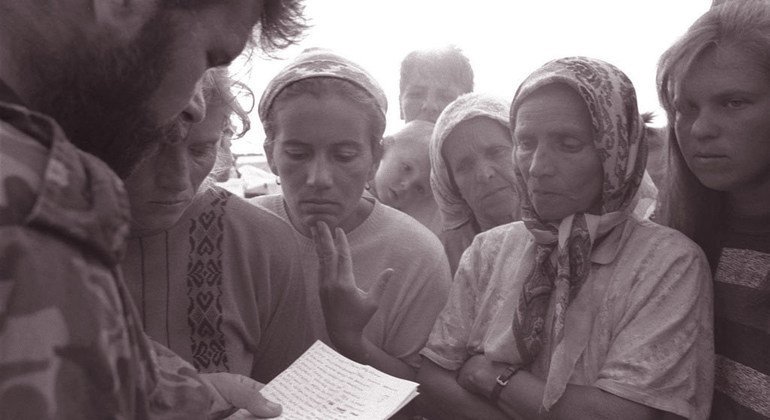

Remembering the Srebrenica Genocide: ‘Fear is All That Kept Me Moving’
The Srebrenica genocide, a tragic chapter in history, is a stark reminder of the horrors mankind is capable of. In July 1995, more than 8,000 Bosniak men and boys were systematically murdered by Bosnian Serb forces in and around the town of Srebrenica. To grasp the magnitude of this atrocity, we must delve into its historical context, personal narratives, and the ongoing fight for justice and remembrance.
Historical Context of the Srebrenica Genocide
The backdrop of the Srebrenica genocide is the Bosnian War (1992-1995), a complex conflict fueled by ethnic tensions among Bosniaks (Bosnian Muslims), Serbs, and Croats. Following the breakup of Yugoslavia, these tensions escalated, leading to widespread violence and atrocities across the region. Srebrenica, a designated “safe area” by the United Nations, became a focal point, where thousands sought refuge from the surrounding violence.
However, in July 1995, the UN’s assurances of safety were shattered. As Bosnian Serb forces, led by Ratko Mladić, seized the town, thousands were left vulnerable. The world watched in horror as reports of mass executions and ethnic cleansing emerged, ultimately leading to the recognition of Srebrenica as a genocide by international courts.
The Personal Stories: Humanity Amid Horror
To truly understand the pain of the Srebrenica genocide, we must listen to the stories of survivors. Many faced unimaginable horrors during those fateful days. One poignant quote from a survivor illustrates the harrowing experience: “Fear is all that kept me moving.” This statement encapsulates the terror felt by those who lived through the genocide, as they sought to navigate an environment filled with violence and death.
Survivors recounted harrowing tales of fleeing their homes, the relentless sound of gunfire, and the struggle to preserve their families. The concept of fear is recurrent in these narratives, where it served both as a motivator for survival and a reminder of the relentless violence surrounding them.
The Importance of Commemoration
Commemorating the Srebrenica genocide is essential for several reasons:
-
Acknowledgment of Suffering: Remembering these events honors the lives lost and acknowledges the suffering endured by survivors and families.
-
Education and Awareness: By teaching current and future generations about the genocide, we can foster a deeper understanding of the consequences of hatred and intolerance.
-
Promotion of Justice: Commemorative events often focus on ongoing justice efforts. The International Criminal Tribunal for the former Yugoslavia (ICTY) has prosecuted key figures responsible for the genocide, yet many feel justice remains incomplete.
The Role of Education in Preventing Future Atrocities
Education plays a pivotal role in preventing similar atrocities in the future. Academic institutions, NGOs, and governments must work together to promote awareness and understanding of the Srebrenica genocide. Programs that focus on human rights, tolerance, and conflict resolution can equip young people with the tools to recognize and challenge hatred.
Teaching About the Genocide
Incorporating the Srebrenica genocide into history curricula worldwide is essential. This includes:
- In-depth Studies: Offering students comprehensive accounts of the events, including survivor testimonials and historical documents.
- Class Discussions: Encouraging students to engage in dialogues about the implications of ethnic violence and the importance of empathy.
- Field Trips and Memorial Visits: Organizing trips to memorials or museums dedicated to the genocide allows students to experience the site of history firsthand.
The Legacy of the Srebrenica Genocide
The legacy of the Srebrenica genocide extends far beyond its immediate aftermath. The trauma remains embedded within Bosniak communities, affecting families, relationships, and national identity. Many survivors continue to grapple with PTSD and emotional scars, while families seek closure through remembrance and justice.
The establishment of memorials, such as the Srebrenica-Potočari Memorial and Cemetery, serves as a powerful symbol of resilience and remembrance. Each year, memorial events draw thousands, reaffirming not just the commitment to remember but to act against hatred and violence.
Global Implications and Responsibility
The Srebrenica genocide sends a strong message about the responsibilities of global leaders and institutions. Countries and organizations must be vigilant in their commitment to preventing genocide and protecting human rights. The failure to intervene during the Srebrenica genocide highlighted gaps in international law and the necessity for changes in policy and intervention strategies.
Conclusion: Remembering for the Future
Remembering the Srebrenica genocide is crucial, not only to honor its victims but to build a world that champions peace and tolerance. As survivors share their harrowing tales, including the haunting refrain of fear fueling their will to escape, we are reminded of our shared responsibility.
By promoting education, confronting historical injustices, and engaging in active remembrance, we pave the way for a future where such tragedies become mere echoes of the past.
Call to Action: Join the Conversation
Reflecting on the Srebrenica genocide is vital for all of us. Whether through discussions, educational initiatives, or attending memorials, each action contributes to a broader understanding of the need for empathy in our increasingly complex world. Let us carry the lessons of Srebrenica forward, ensuring that history does not repeat itself.
In a world often marred by division and conflict, the memory of Srebrenica teaches us that hope and resilience can emerge from darkness. It is our responsibility, therefore, to remember, educate, and advocate for a more peaceful, understanding future.
For more details and the full reference, visit the source link below:
Read the complete article here: https://news.un.org/feed/view/en/story/2026/07/1167909

