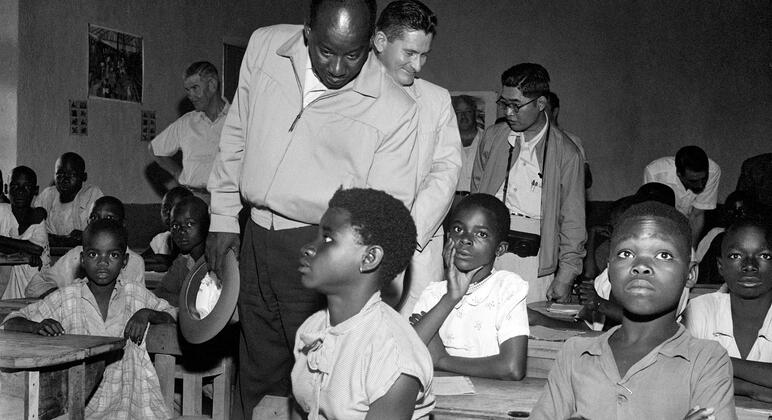

Invisible Peacebuilders: How Diplomacy Works to Prevent Conflict
In today’s interconnected world, the role of diplomacy in preventing conflict is more critical than ever. While the notion of a peacebuilder may conjure images of visible leaders or high-profile negotiations, many unsung heroes work behind the scenes. These invisible peacebuilders play a vital role in maintaining global stability and fostering environments conducive to dialogue and understanding.
Understanding the Role of Diplomacy
The Essence of Diplomacy
Diplomacy is defined as the art and practice of conducting negotiations between nations. It involves a delicate balance of power, influence, and mutual respect. At its core, diplomacy aims to resolve conflicts before they escalate. Effective diplomacy can prevent wars, foster peace, and promote international cooperation.
The Mechanisms of Diplomatic Engagement
Diplomacy operates through various channels including bilateral talks, multilateral negotiations, and international organizations. Each channel serves a unique purpose, from addressing specific bilateral issues to tackling global challenges such as climate change and human rights violations. In this intricate web of international relations, invisible peacebuilders often operate in the background.
Invisible Peacebuilders: Who Are They?
A Diverse Array of Actors
Invisible peacebuilders are not limited to government officials or diplomats. They encompass individuals from various sectors, including:
- Non-Governmental Organizations (NGOs): Organizations focused on humanitarian aid and conflict resolution.
- Community Leaders: Local figures who can mediate disputes and foster dialogue among community members.
- Academics and Researchers: Individuals who study conflict dynamics and propose actionable solutions.
- Cultural Diplomats: Artists, musicians, and writers who promote understanding through cultural exchange.
The Importance of Networking
One of the critical functions of these invisible peacebuilders is establishing networks. They create connections between conflicting parties, often at grassroots levels. By fostering dialogue among different cultural, religious, and political groups, they can build trust and mutual understanding.
Strategies Employed by Invisible Peacebuilders
Facilitating Dialogue
Invisible peacebuilders often act as intermediaries, facilitating dialogue between conflicting parties. This can be done through formal negotiations or informal gatherings. The emphasis is on creating a safe space for honest discussions, allowing parties to express their grievances openly.
Building Capacity
Another essential strategy is capacity building. Invisible peacebuilders work to empower local communities to manage conflicts themselves. This involves training individuals in negotiation, mediation, and conflict resolution skills, providing them with the tools to address disputes without resorting to violence.
Promoting Understanding
Education plays a pivotal role in preventing conflict. Invisible peacebuilders often focus on promoting understanding between different groups through educational programs. By fostering tolerance and respect for diversity, they help mitigate the factors that can lead to violence.
Empowering Grassroots Movements
Invisible peacebuilders often support grassroots movements that aim to promote peace and reconciliation. By providing resources and training, they empower communities to advocate for their rights and seek peaceful solutions to their issues.
The Impact of Invisible Peacebuilders
Creating Lasting Change
While the efforts of invisible peacebuilders may not always be visible on the international stage, their impact is profound. They contribute to creating lasting change by:
- Decreasing Violence: By addressing grievances before they escalate, they can prevent the outbreak of violence.
- Fostering Cooperation: By promoting collaboration between communities, they help build the foundation for long-term peace.
- Instilling Hope: Their work often inspires individuals and communities to believe that peace is achievable, fostering resilience.
Case Studies of Success
Numerous case studies demonstrate the effectiveness of invisible peacebuilders. In regions like Colombia and Northern Ireland, grassroots organizations have played pivotal roles in fostering dialogue and reconciliation, achieving successes that traditional diplomacy alone could not.
The Challenges Faced by Invisible Peacebuilders
Lack of Recognition
One of the most significant challenges is the lack of recognition for their efforts. Invisible peacebuilders often work without acknowledgment, which can discourage further engagement and support.
Funding and Resources
Access to funding can pose a barrier, limiting their ability to implement projects effectively. Many NGOs rely on donations and grants, which can be inconsistent.
Political Obstacles
Political dynamics can complicate the work of invisible peacebuilders. In some cases, they may face opposition from governments or entities that benefit from conflict.
The Future of Invisible Peacebuilders
Increased Global Collaboration
As the world becomes more interconnected, there is a growing recognition of the need for collaborative approaches to peacebuilding. International organizations are increasingly supporting the work of invisible peacebuilders by providing funding, training, and resources.
Leveraging Technology
Advancements in technology offer new avenues for invisible peacebuilders to connect and collaborate. Online platforms can facilitate dialogue and provide resources for conflict resolution on a global scale.
The Role of Youth
A focus on youth engagement is also vital. Younger generations have the power to influence their communities and advocate for peaceful solutions. Empowering youth can lead to sustainable change and a more peaceful future.
Conclusion
Invisible peacebuilders play an essential role in conflict prevention and resolution. Their efforts, though often unnoticed, are integral to the fabric of international relations. By utilizing various strategies and fostering relationships, they help create environments where dialogue can flourish.
As we move forward, recognizing and supporting these invisible peacebuilders is crucial. Their work not only promotes understanding but also lays the groundwork for a more peaceful and harmonious world. By valuing their contributions and addressing the challenges they face, we can collectively foster a global culture of peace and cooperation.
Final Thoughts
The path to peace is rarely straightforward, and it often requires the tireless efforts of those who work behind the scenes. By acknowledging the invaluable contributions of invisible peacebuilders, we can better understand how diplomacy works to prevent conflict—and ultimately create a more peaceful world for future generations.
For more details and the full reference, visit the source link below:
Read the complete article here: https://news.un.org/feed/view/en/story/2026/07/1167866