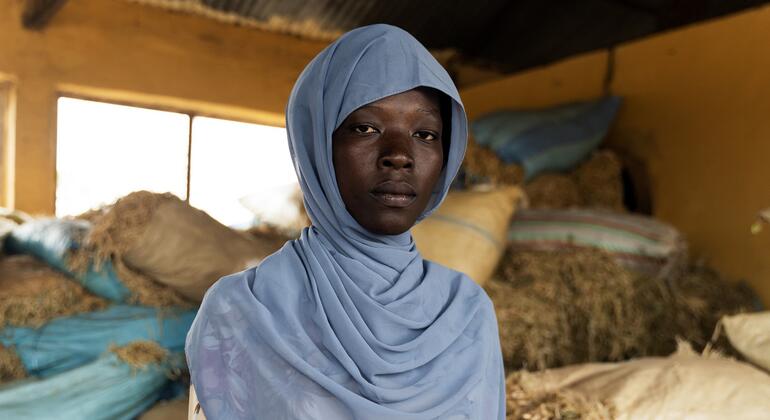

Hunger Deepens for Displaced Families in Sudan’s El Obeid
Introduction
In the heart of Sudan, El Obeid—a city renowned for its agricultural richness—now battles an escalating humanitarian crisis that has left numerous families displaced and struggling for survival. As the situation deteriorates, the deepening hunger among displaced families raises alarms for humanitarian organizations and local communities alike. This article delves into the ongoing crisis, the root causes of displacement, and the impact on families in El Obeid.
The Humanitarian Crisis in El Obeid
El Obeid, the capital of North Kordofan, has historically been a hub for trade and agricultural activity. However, increasing violence, coupled with the political instability in Sudan, has forced thousands to flee their homes. These displaced families face a dire reality—accessing food and basic necessities has become an almost insurmountable challenge.
Displacement: A Growing Concern
Internal conflicts, particularly in Sudan’s Darfur region, have widened the scope of displacement throughout the country, including El Obeid. As families escape violence and insecurity, makeshift camps and underserved communities swell with individuals in need. Humanitarian agencies report that the number of displaced persons in El Obeid has skyrocketed, leading to a severe strain on local resources.
The Impact of Hunger on Displaced Families
Malnutrition Rates Soar
Hunger and malnutrition rates in El Obeid are at an alarming high. Displaced families, particularly children, are bearing the brunt of this crisis. Reports indicate that an increasing number of children suffer from acute malnutrition as parents struggle to provide basic meals. The lack of nutritious food not only compromises their immediate health but also jeopardizes their long-term development.
Mental Health Deterioration
The impact of hunger and displacement extends beyond physical health. The psychological toll on families grappling with food insecurity manifests in various ways, including anxiety, depression, and a feeling of hopelessness. This deteriorating mental well-being further complicates recovery efforts and diminishes the capacity for families to advocate for their needs.
The Challenges of Humanitarian Aid
Insufficient Resources
Humanitarian organizations strive to respond to the needs of displaced individuals in El Obeid, yet they face significant challenges. Limited funding and resources impede the delivery of essential aid. As donations decline, the organizations struggle to keep up with the increasing demand for food, shelter, and medical supplies.
Distribution Hurdles
The distribution of aid is often fraught with logistical complications. Access to camps is restricted due to insecurity, and bureaucratic obstacles further hinder the provision of timely assistance. Consequently, many families remain without adequate nourishment, exacerbating their vulnerability.
The Role of Agricultural Production
A Historical Context
Agriculture has been the backbone of Sudan’s economy, particularly in regions like North Kordofan. However, the current crisis severely disrupts food production. Many farmers have been displaced themselves, while those who remain face challenges such as lack of resources, insecurity, and adverse weather conditions.
Sustainable Solutions
To counter the rising hunger, there is an urgent need for sustainable agricultural practices. Investing in seed distributions, training programs, and tools can empower remaining farmers and displaced individuals alike. Such initiatives would not only address immediate food shortages but also contribute to long-term food security in the region.
Community Resilience and Support
Local Initiatives
Despite overwhelming challenges, local communities in El Obeid are stepping up to support displaced families. Community kitchens, food drives, and small-scale distributions are becoming crucial lifelines for those in need. These grass-roots initiatives exemplify the spirit of resilience and solidarity that persists despite adversity.
International Support
International organizations are also working to address food shortages in conjunction with local efforts. Programs aimed at restoring livelihoods, such as vocational training, aim to help displaced individuals regain independence and hope. Collaborative efforts between local and international agencies can yield impactful results in alleviating hunger.
Advocacy and Awareness
Raising Awareness
To effectively address the hunger crisis in El Obeid, awareness is crucial. Advocates are calling on governments, organizations, and individuals worldwide to focus attention on the plight of displaced families. Social media campaigns, public forums, and educational initiatives can mobilize support for those suffering in Sudan.
Policy Change
Long-term solutions to the crisis require policy changes at both the national and international levels. Advocacy for peace talks, humanitarian access, and investment in local development is essential. Sustainable solutions often stem from collaborative policies that prioritize the needs of the disaffected population.
Conclusion
The hunger crisis facing displaced families in El Obeid is a complex issue fueled by conflict, resource scarcity, and systemic challenges. As the situation escalates, immediate and long-term actions are necessary to combat this humanitarian catastrophe. By fostering community resilience, advocating for policy changes, and emphasizing agricultural sustainability, we can work toward alleviating the pervasive hunger plaguing El Obeid. Every effort counts, and humanity’s response must be swift and compassionate to ensure that vulnerable families can rebuild their lives and futures.
For more details and the full reference, visit the source link below:
Read the complete article here: https://news.un.org/feed/view/en/story/2026/07/1167967