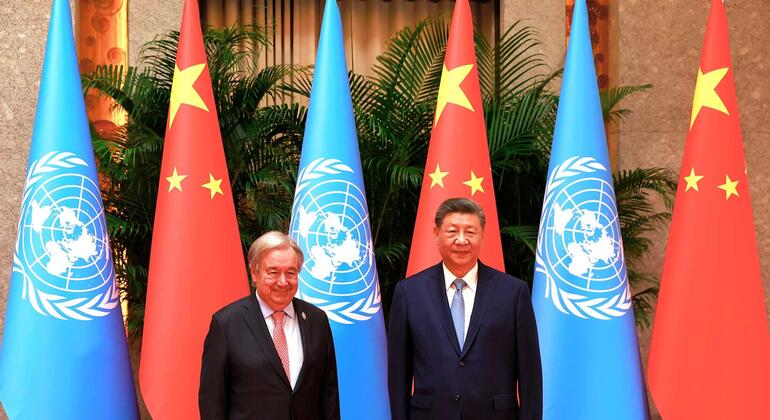

Guterres: AI Must Be Shaped by ‘All of Humanity’, Not a Handful of Powers
Introduction
In recent years, the conversation surrounding artificial intelligence (AI) has gained intense momentum. António Guterres, the United Nations Secretary-General, has been vocal about the need for a more equitable approach to AI development. His assertion that AI should be shaped by “all of humanity”, rather than just a select few powers, emphasizes the importance of inclusivity in a technology that has the potential to impact every facet of our lives. This article delves into Guterres’ viewpoints, the implications of his call for equality in AI, and the broader context in which these discussions are occurring.
The Global AI Landscape
As of 2023, the AI landscape is dominated by a handful of technologically advanced nations, particularly the United States and China. These countries have made significant investments in AI development, resulting in a competitive edge in both the economy and global security. However, this concentration of power raises concerns about whether the benefits of AI will be widely distributed or if they will primarily serve the interests of a few. Guterres highlights that the rapid evolution of AI presents both remarkable opportunities and significant risks that must be managed collectively.
Why Inclusivity is Essential
-
Ethical Considerations: AI systems are being designed to make critical decisions in areas like healthcare, criminal justice, and financial systems. If a limited number of entities shape these systems, there is a risk of embedding biases that could perpetuate existing inequalities. Guterres argues that a more diverse group of stakeholders must be involved in the design processes to account for varying perspectives and ethical considerations.
-
Global Governance: As AI technologies continue to transcend borders, the need for coordinated global governance becomes paramount. Countries with different cultural and social contexts should have a say in how AI systems are developed and managed. Guterres emphasizes that international cooperation is crucial for establishing common standards, guidelines, and regulatory frameworks.
-
Inclusive Innovation: By ensuring that AI development is inclusive, we open the door to innovations that cater to a broader audience. Voices from developing nations, marginalized communities, and various sectors can contribute unique insights that enhance the functionality and applicability of AI solutions.
The Role of Multilateral Organizations
Guterres advocates for the involvement of multilateral organizations in the AI conversation. The United Nations, along with other global entities, is in a position to facilitate discussions that bring together various stakeholders—from governments to the private sector and civil society.
1. Policy Development: Policymakers can work with technologists to create strategies that prioritize ethical AI. This would involve not only creating regulations but also encouraging best practices that minimize risks while maximizing benefits.
2. Capacity Building: Developing countries often lack the resources to invest in AI technologies. Multilateral organizations can play a significant role in building local capacities through education, training, and resource-sharing initiatives.
3. Research Collaboration: Joint research initiatives can foster innovation while ensuring that different viewpoints are integrated. Collaborative projects between nations can lead to holistic solutions addressing pressing global issues.
Challenges to Achieving Inclusivity
While the call for inclusivity in AI development is strong, several challenges remain:
1. Power Dynamics: The current AI landscape is characterized by significant power imbalances. Nations with advanced technological capabilities often dominate discussions, sidelining those who may contribute valuable perspectives.
2. Resource Disparities: Countries lacking in technological infrastructure struggle to participate meaningfully in the AI discourse. The digital divide between wealthy and poorer nations remains a significant barrier to global collaboration.
3. Intellectual Property Issues: The protection of inventions and innovations can lead to monopolistic practices, whereby a few entities control the most advanced AI technologies. This raises questions about who truly benefits from AI advancements.
Moving Forward: A Collective Approach
To address these challenges, Guterres suggests several avenues:
1. Establishing Forums for Dialogue: Creating platforms for dialogue among different stakeholders—governments, tech companies, and civil society—can foster understanding and collaboration.
2. Regulatory Frameworks with Global Input: Internationally accepted regulations can help ensure that AI development is equitable and serves the common good. These frameworks should be adaptable to accommodate different national contexts.
3. Promoting Open-Source AI: Encouraging open-source projects can democratize access to AI technologies. By making tools accessible to a wider audience, we enable diverse contributions to the field.
Conclusion
António Guterres’ assertion that AI must be shaped by “all of humanity” encapsulates a crucial call for inclusivity and equality in the rapidly evolving landscape of artificial intelligence. As AI systems increasingly influence our lives, it is imperative to ensure that their development incorporates diverse perspectives and experiences. By fostering global cooperation, implementing shared governance frameworks, and engaging a broader array of stakeholders, we can work toward a future where AI serves not just the interests of a select few, but the well-being of humanity as a whole.
As we move forward, the onus is on governments, organizations, and individuals alike to advocate for and implement inclusive practices in AI. The promise of this transformative technology is too great to let it be confined to the status quo. Embracing Guterres’ vision can pave the way for an AI landscape that truly reflects the diversity and richness of human experience.
For more details and the full reference, visit the source link below:
Read the complete article here: https://news.un.org/feed/view/en/story/2026/07/1167965