
Gaza Reconstruction: Envisioning ‘Islands’ from Rubble
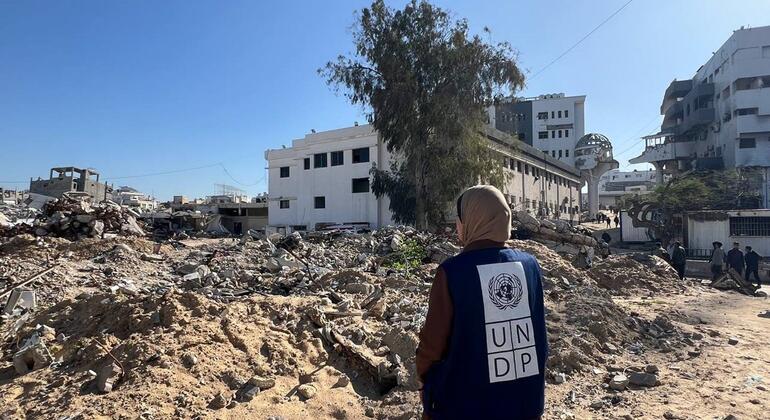
The ongoing conflict in Gaza has left the region in a state of severe devastation. Buildings have collapsed, communities have been torn apart, and livelihoods have been destroyed. However, amidst the rubble, a new vision for Gaza’s reconstruction is emerging—one that aims to build ‘islands’ out of the debris. This innovative approach presents a unique opportunity for recovery, urban development, and resilience.
Understanding the Need for Reconstruction in Gaza
The Humanitarian Crisis
Gaza has faced numerous military conflicts over the years, each leaving a more significant mark on its infrastructure and social fabric. The humanitarian crisis is severe, with thousands of families displaced and critical facilities such as hospitals and schools damaged or destroyed. According to the United Nations, more than half of Gaza’s residents require humanitarian assistance. Immediate steps toward reconstruction are essential for providing stability and hope.
Infrastructure Damage and Its Implications
Reports indicate that over 20,000 housing units were destroyed in the most recent conflict. Additionally, essential infrastructure such as water, electricity, and roads has suffered considerable damage. These factors create a multi-layered crisis that necessitates a comprehensive and innovative rebuilding strategy.
The Concept of ‘Islands’ from Rubble
What Are ‘Islands’ in Reconstruction?
The idea of ‘islands’ refers to the strategic reconstruction of communities that are isolated or fragmented due to extensive damage. Instead of trying to rebuild everything brick by brick, this approach envisions the development of new, functional hubs within the existing rubble. Each ‘island’ would consist of essential services, housing, and public spaces that are developed in a way to maximize resources and connectivity.
Benefits of the ‘Island’ Approach
-
Resource Optimization: By creating smaller, self-sufficient communities, resources can be allocated more efficiently. This minimizes waste and maximizes the usability of existing rubble.
-
Enhanced Community Resilience: Smaller units allow for focused repairs and improvements, fostering resilience within communities. Residents can engage in decision-making processes to rebuild in a way that suits their needs.
-
Promoting Sustainability: The reconstruction process can incorporate green building practices and sustainable materials. This offers a chance to rethink how Gaza can evolve into a more environmentally friendly region.
Steps Toward Effective Reconstruction
Community Involvement and Engagement
Involving local communities in the planning and rebuilding process is crucial. By allowing residents to express their needs and desires for their living spaces, planners can ensure that the reconstruction aligns with the aspirations of the people. This participatory approach can foster a sense of ownership and pride in the community.
Collaboration with NGOs and International Organizations
Securing funding and expertise from non-governmental organizations (NGOs) and international bodies is vital. Collaborative efforts can provide the necessary financial resources, technical skills, and training required for effective reconstruction. Programs focused on rebuilding homes should also include training for local labor to boost the economy.
Utilizing Modern Technology
Modern technology can play a significant role in the reconstruction process. Techniques such as 3D printing, drone usage for surveying damage, and smart technology in building can offer innovative solutions that are faster and more efficient. Digital platforms can help in real-time monitoring of reconstruction progress.
Overcoming Potential Hurdles
Political and Economic Challenges
Gaza’s reconstruction is inseparably tied to broader political issues. Ongoing conflicts, blockades, and governance issues can impede progress. International advocacy is vital to create a conducive environment for rebuilding efforts.
Dependence on Foreign Aid
While international aid is critical, reliance on foreign assistance can be a double-edged sword. Efforts should focus on creating sustainable economic policies that promote local entrepreneurship and reduce dependence on aid over the long term.
Case Studies from Other Regions
Successful Reconstruction: A Global Perspective
Many countries have faced similar crises and have successfully rebuilt communities. For example, cities in Japan, after the 2011 tsunami, utilized modular homes and innovative designs to quickly house displaced individuals. Similarly, post-war European cities implemented extensive planning that emphasized community involvement.
Lessons Learned
-
Flexibility in Planning: Plans should be adaptable to changing circumstances. Flexibility allows for adjustments based on ongoing feedback from the community.
-
Long-term Vision: A successful reconstruction plan does not merely focus on immediate needs but includes long-term development goals that consider urban planning, economic revitalization, and social cohesion.
The Future of Gaza: Building Hope from Rubble
Economic Revitalization
Reconstruction efforts must also lay the groundwork for economic revitalization. Initiatives that promote local businesses, entrepreneurship, and job creation can rejuvenate Gaza’s economy and provide opportunities for its residents.
Social Cohesion and Rebuilding Community Bonds
Rebuilding homes and infrastructure is essential, but so is the emotional journey towards healing. Initiatives that foster community bonds and social cohesion should be integrated into the reconstruction plan. This could include communal spaces, cultural programs, and shared activities.
Conclusion: A Vision for Tomorrow
The vision of building ‘islands’ out of rubble in Gaza offers a path forward amidst uncertainty and despair. It reflects a commitment to resilience, creativity, and community involvement. Despite the challenges, this innovative approach could transform the devastation into a foundation for a sustainable future. By harnessing collective efforts, Gaza can rise from its ruins, not merely as an act of rebuilding but as a symbol of hope and determination.
Final Thoughts
It is crucial for the international community, NGOs, and local governments to act quickly and decisively. Investing in Gaza’s future involves not only bricks and mortar but also the emotional and social rebuilding of its people. The concept of ‘islands’ embodies a new way of thinking about recovery—one that emphasizes sustainability, community engagement, and resilience. As Gaza embarks on this journey, the world watches, hoping for a brighter, more peaceful future for all its inhabitants.
For more details and the full reference, visit the source link below:
Read the complete article here: https://news.un.org/feed/view/en/story/2026/05/1167506