
From Lebanon to the Strait of Hormuz: A Middle East Hanging on Fragile Peace Talks
Introduction
The Middle East, a region rich in history and culture, has often been characterized by conflict and confrontation. Straddling the crossroads of Europe, Asia, and Africa, its geopolitical significance cannot be overstated. One of the vital areas in this landscape is the stretch from Lebanon to the Strait of Hormuz. This region plays a pivotal role not only in the geopolitics of the Middle East but also in global energy security. As peace talks hang in the balance, understanding the dynamics of this region becomes essential.
Historical Context
Lebanon’s Turmoil
Lebanon, often seen as a beacon of diversity and coexistence, has been ravaged by civil strife since the 1975-1990 civil war. The aftermath left a political landscape marred by sectarian divisions. Despite these challenges, Lebanon has continuously sought to engage in peace talks to stabilize its internal situation. However, external influences, particularly from neighboring countries, often exacerbate these internal issues.
The Strait of Hormuz: The Lifeline of Oil
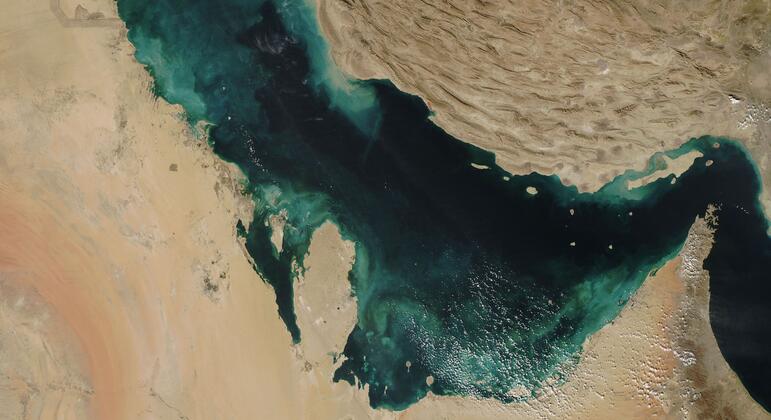
The Strait of Hormuz serves as a strategic maritime passage for global oil shipments. Approximately 20% of the world’s oil supply traverses this narrow waterway. Control and security of the Strait are not only essential for the Gulf states but for global economies reliant on oil. Disputes in this region have historically led to heightened tensions and military confrontation.
Current Regional Dynamics
The Role of Iran
Iran’s influence in the region, especially in Lebanon through Hezbollah and its strategic interests in the Gulf, has played a crucial role in shaping current events. As a key player in both the Syrian conflict and the Iraqi political landscape, Iran’s intentions and actions could either foster stability or escalate tensions.
The Israeli-Lebanese Conflict
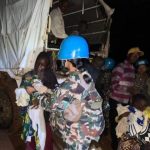
The enduring Israeli-Lebanese conflict continues to be a stumbling block for peace in the region. The presence of Hezbollah in southern Lebanon poses a significant challenge for Israeli security. The two sides remain in a fragile ceasefire, with border skirmishes reminding the world of the volatility that underpins their relationship. Productive peace talks are essential to address these fundamental issues.
Fragile Peace Talks
Peace talks in the region often appear promising but have routinely fallen short of lasting agreements. Several factors contribute to this fragility:
Internal Divisions
Both Lebanon and Iran face domestic pressures that complicate their foreign policies. In Lebanon, the political landscape is fragmented, with various factions holding different ideologies and allegiances. In Iran, ongoing economic challenges and discontent among the populace can limit the government’s willingness to engage in compromise.
External Influences
The role of external powers cannot be ignored. Countries like the United States, Russia, and Saudi Arabia often intervene, each with its interests in the region. This foreign involvement can either support peace efforts or lead to further complications. The U.S. stance toward Iran and its allies, for instance, often escalates tensions instead of promoting dialogue.
The Way Forward: Bridging Divides
Grassroots Initiatives
For peace to take root, it is essential to foster grassroots initiatives that promote dialogue and understanding among differing communities. Non-governmental organizations and local leaders can play a vital role in bridging the divide between conflicting parties. Through cultural exchanges and collaborative projects, communities can cultivate mutual respect and tolerance.
Diplomatic Engagements
Robust diplomatic efforts must be initiated to create an environment conducive for peace talks. Multilateral negotiations involving regional actors and international stakeholders could help streamline efforts. A comprehensive approach that addresses security concerns, economic interests, and political grievances is vital for success.
Regional Cooperation
Encouraging economic cooperation among Middle Eastern countries could shift the focus from conflict to collaboration. Initiatives aimed at improving trade relations, energy partnerships, and infrastructure development can serve to build trust and encourage collective stability.
Conclusion
The stretch from Lebanon to the Strait of Hormuz is a focal point of geopolitical tension, yet it also holds the potential for renewal and rejuvenation. As peace talks hang delicately in the balance, the importance of dialogue, cooperation, and goodwill cannot be overstated. Achieving a lasting peace will require commitment from both internal and external actors, alongside the proactive involvement of grassroots movements. Only then can the region move beyond its history of conflict to a future defined by hope and collaboration.
SEO Optimization Strategies
-
Keywords: Incorporate key phrases like “Middle East peace talks,” “Lebanon conflict,” “Strait of Hormuz,” and “Iran influence” throughout the content to improve search visibility.
-
Meta Descriptions: Create an engaging meta description summarizing the article that includes primary keywords, such as “Explore the fragile peace talks from Lebanon to the Strait of Hormuz, impacting regional stability and global oil security.”
-
Headers and Sub-Headers: Use H2 and H3 tags effectively to break up content and allow search engines to index the post more accurately.
-
Internal and External Links: Use relevant internal links to other related articles on the topic and credible external sources for further reading and credibility.
-
Image Alt Text: If illustrations accompany the article, describe them using keywords in the alt text to enhance SEO.
By following these strategies, the content can reach a wider audience and inform them about the significant challenges and opportunities for peace in this critical region of the world.
For more details and the full reference, visit the source link below:
Read the complete article here: https://news.un.org/feed/view/en/story/2026/06/1167811